Skip to content

Off-road accessory marketing agency

Marketing for off-road accessory stores: lift, tire size and gearing sold as one decision, freight on steel armour, and recovery gear explained properly.

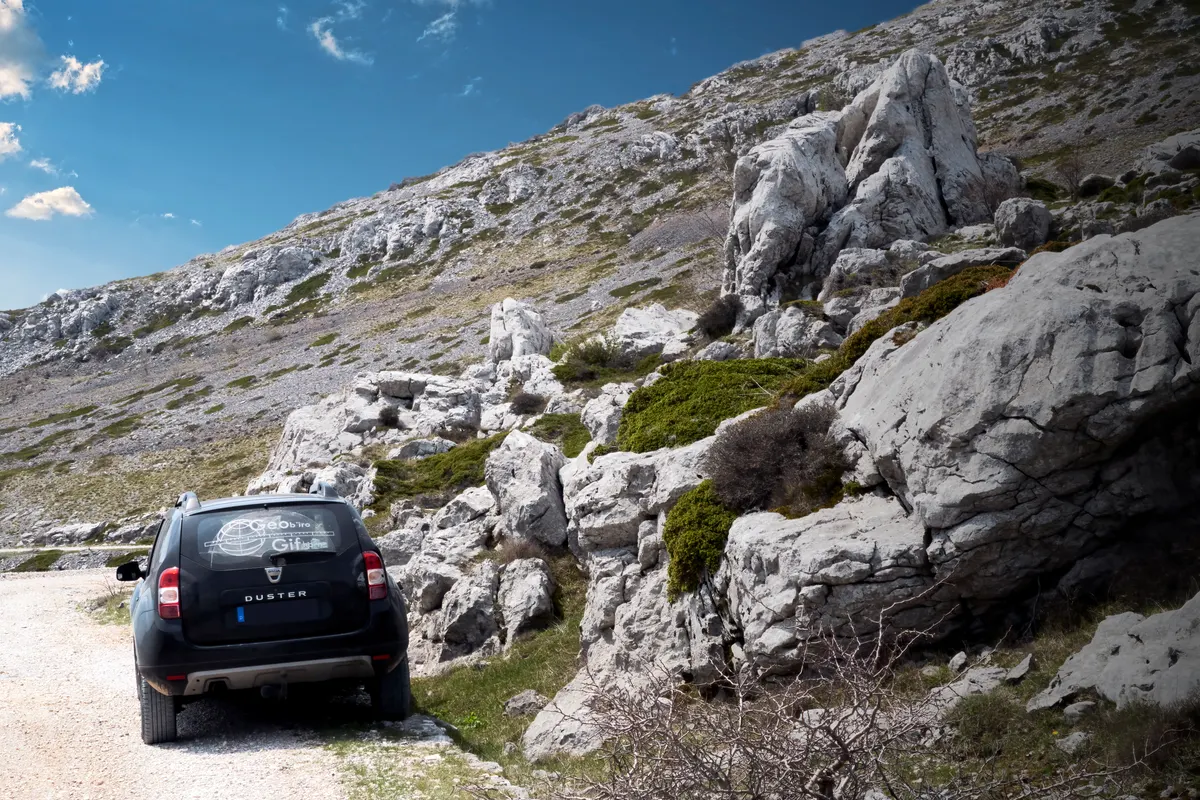
Off-road accessory marketing agency: black off-road vehicle next to slope with large limestone boulders in Velebit mountains.

How off-road builds get bought

An off-road accessory store sells modifications that interact with each other. A bigger tire needs the lift that clears it, the gearing that keeps it drivable and sometimes the bumper that stops it catching the fender. A winch needs a bumper that will mount it and a battery and wiring that will feed it. A store that sells any of those as a standalone product leaves the customer to discover the rest on a trail, which is the worst possible place to find out.

We work with off-road and overland stores that already sell online: bumpers and sliders, winches and recovery gear, suspension and lift kits, armour, racks and rooftop tents, lighting, snorkels and drivetrain parts, usually concentrated on a few platforms. The plan starts by shopping your store as someone who has just bought a used four wheel drive and wants to run bigger tires.

Order value and repeat purchases are where the money sits, because these builds run for years.

Off-road buying is a project with a sequence and a budget that always runs over. Owners plan in stages: tires and wheels, then suspension, then armour and recovery gear, then gearing and lockers once the vehicle stops driving well on the road. They research in build threads, trail videos and club discussions, where specific combinations get argued over in detail by people who have run them.

What they need from a product page is the interaction, not the specification on its own. Which lift clears which tire size on which trim, whether that tire size calls for regearing, whether a bumper needs a different fairlead, what the vehicle weighs once it is loaded and what winch capacity that suggests. The common guideline is a winch rated well above the loaded weight of the vehicle, and buyers want to see the reasoning rather than a badge.

Recovery gear is bought differently again, because it is safety equipment. Working load limits, rated shackles, how a kinetic rope behaves and where a recovery point actually belongs are the difference between a recovery and an injury, so a store that explains them properly earns trust that carries into every other category.

Steel armour is a freight purchase, usually made to order and finished to order, so lead time and delivery are part of the decision rather than details at the end.
Where off-road accessory stores
lose revenue

The four levers, in this niche.

Visitors

Platform, modification and a number

Owners search for a lift by tire size on their model, a bumper by generation, a winch by capacity, a rack by roof type. Pages that carry the platform, the generation and the numbers pick that traffic up cheaply. The second stream is technique searching, recovery methods, gear ratio questions, water crossing advice, which reaches owners before they know what product they need and puts the store in front of the decision rather than at the end of it.

Conversion rate

Sell the interaction, not the part in isolation

State which tire sizes a lift clears on which trim, whether regearing is advisable at that size, which bumpers accept which winches, and what fitting involves in hours and in tools. Add the lead time and the finish options on made-to-order steel, plus the freight method and cost, because those two are what stop a bumper order at the last step. For recovery gear, put working load limits and correct use in plain language on the page itself.

Average order

Nothing gets fitted on its own

A lift wants an alignment, often control arms and a track bar, and usually the tires that justified it. A winch wants a mount, a fairlead, a battery capable of feeding it and a recovery kit to use with it. Selling the combination as a build stage raises the order and stops the customer buying half a solution. Recovery kits show it most clearly: a rope without rated shackles and gloves is incomplete and unsafe, and saying so honestly sells the whole kit.

Repeat purchases

The vehicle keeps asking for the next thing

After suspension comes armour, after armour comes gearing, after gearing come lockers, and running alongside all of it are tires, differential fluid after water crossings, and recovery gear that has been used hard and should be retired. Record the platform and the current stage, then follow it at the pace the owner is actually spending. Trip seasons prompt their own orders, because people buy before a planned run rather than the week after they get home.

What we do for
off-road accessory stores

Five channels, one plan.

Google Shopping and search

A catalogue per platform, and freight kept separate

Shopping campaigns split by platform, because a store covering three vehicles is running three catalogues with three different buyers. Inside each, product groups follow the build stage: suspension, armour, recovery, lighting, racks, drivetrain.

Titles carry the platform, the generation and the number that matters: lift height, winch capacity, the tire size cleared, the bar length. Custom labels separate freight items and made-to-order finishes from shelf stock, so budget does not build demand for a bumper with a long production queue while in-stock parts sit unsold.

Landing pages for freight items must state the delivery method and cost before the price does its work. Negatives remove off-road parks, trail permits, vehicle rentals, guided tours and repair services. Seasonal budget follows the trail calendar, rising ahead of the main wheeling months and shifting towards recovery gear and lighting as the weather turns and the days shorten.

Meta and TikTok

Film the part working, on a trail, in real conditions

Social is the heart of this niche, because the product is used in places worth filming. Trail footage, recoveries, build progress and honest failures all perform, and the audience can tell within seconds whether the person behind the camera actually wheels.

Creative should show the part doing its job: the slider taking a hit on rock, the winch pulling a loaded vehicle up a bank, the rack packed for a week away, the tent going up in wind. Staged shots in a car park get ignored by exactly the people you want to reach.

Club runs, trail events and overland gatherings are where reputations form. A store that supports those, backs recovery training, or simply turns up and helps, gets recommended in the groups where the buying decisions happen. Retargeting follows the build stage, so a suspension buyer sees alignment and tires while a winch viewer sees mounts and rated recovery gear rather than another winch.

Merchant Center and the feed

Platform and numbers in the title, honest availability in the feed

The feed has to carry the platform and the numbers, since Merchant Center has no attribute for either. Titles run as part type, brand, then platform, generation and the specification: lift height, winch capacity, bar size. Group finishes, bare steel against powder coat, under item_group_id with finish as the variant.

Made-to-order items need a custom label and honest availability, because a feed that presents a six week fabrication as in stock produces cancellations and damages account health.

Shipping is the hard part. Bumpers, sliders and racks travel as freight, often needing a lift gate or a business address, while a soft shackle fits in an envelope. Set shipping groups by class with real regional rates and keep them identical to the checkout. Lighting intended for off-road use only should be described accurately rather than in language implying road use, because honest categorisation protects the customer and the account together.

SEO and AI search

Build order hubs and carefully written technique pages

This niche rewards technical honesty. Owners, and the assistants they consult, ask what lift a given tire size needs, whether they have to regear, what winch capacity suits a loaded vehicle, how to recover safely, what a rated shackle is and why a tow ball is not a recovery point.

We build a hub per platform covering the sensible build order, what each stage costs in fitting and in on-road drivability, and the parts you sell at each step. Then a set of technique pages for recovery, tire sizing and gearing, written carefully, because these are safety topics and a careless page can get somebody hurt.

Product pages carry fitment by generation and trim, the interactions with other modifications, lead times and freight terms, all as text. Those pages get cited because they are specific, and they keep earning attention long after a campaign has stopped running.

Email and SMS

Build stages, fabrication updates and gear that should be retired

Email follows the build and the season. Record the platform and what has been fitted, then send the next stage at a realistic interval, because these are expensive orders and nobody buys a bumper the week after a lift.

Freight and fabrication need a flow of their own. A made-to-order bumper is a long wait, and a production update at each stage, plus an inspection note when the pallet arrives, prevents most cancellations and most damage disputes.

Seasonal sends match the trail calendar: recovery gear and tires before the wheeling season, lighting as the days shorten, fluid changes after a wet season. A recovery gear inspection reminder is genuinely useful, because straps and ropes wear out and people keep using them long past the point they should be replaced. SMS suits restock alerts and freight delivery windows, both of which customers actually want to receive.

First three fixes

What the plan usually starts with for off-road accessory stores.

  1. Sell lift, tire size and gearing as one decision

    Say on the page which tire sizes a lift clears, what it does to on-road behaviour, and at what point regearing becomes necessary. It raises order value and prevents the disappointed customer who fitted one part and got a worse vehicle.

  2. Quote freight and fabrication lead time before the cart

    Steel armour is heavy, often made to order and sometimes finished to order. Showing the production time, the delivery method and the freight cost on the product page turns the two biggest abandonment causes into planned parts of the purchase.

  3. Write recovery gear pages as safety content

    Working load limits, rated shackles, correct recovery points and when to retire a strap. Plain, careful writing sells complete kits instead of single items and earns the credibility that carries every other category in the store.

Questions from off-road accessory stores

In their own campaigns, with the production time and the freight terms stated on the landing page rather than at checkout. In the feed they need a custom label for lead time and honest availability, because presenting a six week build as in stock creates cancellations. Then keep the customer informed while the part is being made and finished. In this category the wait is accepted and the silence is not, which is where most of the cancellations come from.

It restricts how you describe it, which is a reasonable thing to accept. Those products should be categorised and described accurately, without language suggesting they are suitable for road use where they are not, and the page should say where the restriction applies. That protects the customer, the account and the store. It also happens to be a good page, because the road legality question is one of the most common searches in the category.

By showing the whole build path and being useful across it. A platform hub that sets out the sensible order, with your parts at each step, keeps you present between purchases, and an email sequence that follows the build rather than the calendar arrives when the next stage is affordable. Most stores lose the build by going quiet after the first order, not by being outsold on the second one.

By being genuinely present and genuinely useful. Trail content that shows real conditions, honest notes about what a part does not do, support for club runs and recovery training, and staff who answer technical questions in public without pitching. The paid channels then convert the demand that credibility creates. Advertising into these groups without any of that behind it gets noticed and discussed, and not in a way that helps.

Very careful, and it pays off. State working load limits, explain rated shackles and correct recovery points, say what a kinetic rope does under load and when a strap should be retired. Do not imply that any product makes a recovery safe on its own. Careful pages sell complete kits rather than single items, they are what assistants quote when someone asks how to recover a stuck vehicle, and they keep you out of arguments you do not want to have.

Other automotive & marine stores we work with

Send your off-road accessory store store.

The plan says which lever is leaking and what to fix first, for your store as it is today.

Store, name, email and phone. A person replies from a real inbox. Privacy

Get your free growth plan