Skip to content

Baby clothing marketing agency

Marketing for baby clothing brands: month-based sizing in the feed, multipack and gift-set order value, TOG and fabric content.

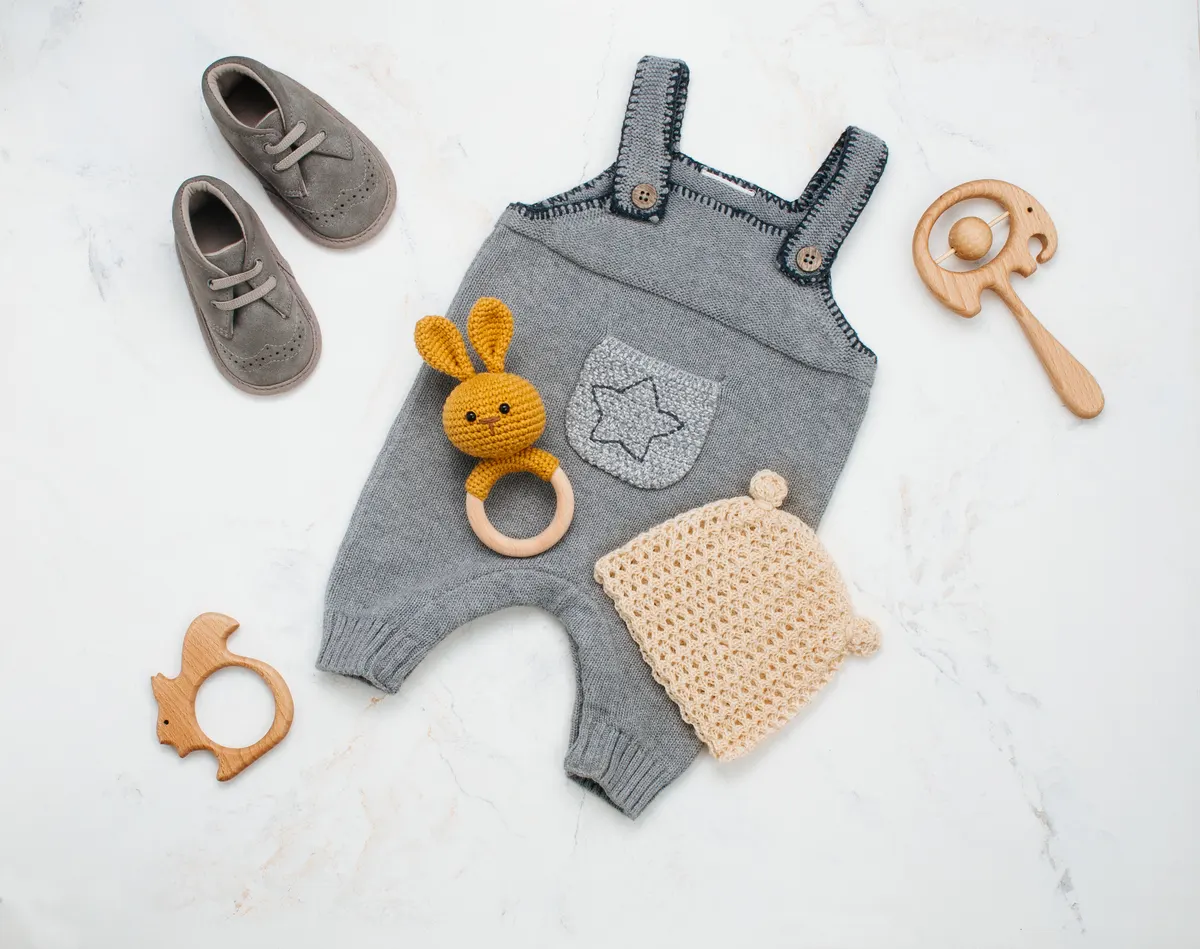
Baby clothing marketing agency: newborn baby clothing and beanbag on light marble background.

How baby clothes are bought in the first two years

A baby wears a size for about three months, and the parent buying it has no idea whether this brand's 0 to 3 months runs like the last brand's. That is the whole business in one sentence: sizes measured in months and weight, a customer who needs the next size on a timer nobody else can see, and gift buyers who know the due date but not the baby.

We write growth plans for baby clothing brands that already sell online. The plan covers Shopping feeds that carry the month range and the fastening in the title, product pages that show a size chart in weight and length rather than in small to large, multipack and gift-set merchandising that lifts a single bodysuit order, and email flows that use the birth date to send the next size before the drawer runs out.

It also covers the questions parents now ask AI assistants before they buy, from what a TOG rating means on a sleep sack to whether the fabric is certified organic, so that your pages are the ones quoted.

The first orders are placed before the birth. Parents buy the coming-home outfit, a stack of newborn and 0 to 3 month bodysuits, sleepsuits with fold-over mitts and a sleep sack for the hospital bag, and they add most of it to a registry so shower guests can buy it. They discover the size problem later, when a large newborn skips the first size entirely.

After the birth the buying is fast and repetitive. Bodysuits are bought in multipacks because a baby goes through several a day. Sleepwear is bought by TOG rating and room temperature. Fastenings matter more than print: a two-way zip for night changes, magnetic closures for a wriggling baby, envelope necks that pull down rather than over the head. Fabric questions are specific, whether it is organic cotton with a certification behind the word, and how it washes at high temperatures.

Sizing is measured in months but decided by weight and length, and every brand runs differently, so parents look for a chart with both and for reviews that state the baby's weight when the size was bought. Gifting runs all year through showers, births and first birthdays, with buyers who know the due date and little else.

The reorder cycle is the child's growth, roughly a size every few months, and it stops abruptly when the child leaves the baby range.
Where baby clothing brands
lose revenue

The four levers, in this niche.

Visitors

Visitors: rank for the month range and the fastening

Baby clothing searches carry a month range and a feature: 3 to 6 month sleepsuit with zip, organic newborn bodysuits multipack, 1 TOG sleep sack 6 to 18 months. Feed titles that carry the size range, the fastening and the TOG show up for those; titles built around the print name do not. On social, the prospect is a parent who has just found out and a gift buyer who has just been invited to a shower, and creative for each is different. We map your range to the month, fastening and fabric words parents type and rebuild feed titles and collections from that.

Conversion rate

Conversion: show the chart in weight and length

A baby clothing page converts when the size chart shows weight and length for every month range, when reviews state the baby's age and weight at purchase, when the fastening is visible in the photos, and when sleepwear shows its TOG and a room temperature guide. Gift buyers need a gift receipt, gift wrap and a clear line on exchanging sizes without the recipient being told the price. We audit each template for those and fix the ones that make a parent guess.

Average order

Order value: multipacks, sets and the next size in the same basket

A baby clothing order grows when bodysuits are sold in packs, when a sleepsuit and sleep sack in the same print are offered together, and when the store suggests the next size up alongside the size being bought, because parents who have been caught out once will buy ahead. Gift sets assembled by stage, newborn essentials or first birthday, lift the gift buyer's spend without discounting. We build those from what your order data shows customers already buy together.

Repeat purchases

Repeat purchases: send the next size before the drawer runs out

Baby clothing customers come back for the next size, on a timer set by the child's growth. A flow keyed to the birth date captured at checkout, with the size and print the customer bought pre-selected, arrives when the current size is getting tight and does more than any generic offer. Registry owners get the same flow even though the first order came from a guest. We also mark the end of the baby range, so the last email is a handover to the toddler range rather than silence.

What we do for
baby clothing brands

Five channels, one plan.

Google Shopping and search

Google Shopping and search ads for baby clothing

Shopping titles for baby clothing read like the parent's search: Organic Cotton Sleepsuit, Two-Way Zip, 3 to 6 Months, Sage. The month range goes in the title in the form parents type, and multipacks say how many are in the pack. We split campaigns by product type, so bodysuits, sleepwear, outerwear and gift sets each have their own budget, and we split again by newborn and infant because the newborn buyer is often a gift giver with a different basket.

Search ads take the questions the tile cannot answer: what to pack in a hospital bag, what TOG for a warm room, whether a size runs large. The ad copy answers and links to the guide. Baby clothing clicks are cheap and orders are small, so budgets are managed on the value of the first order plus the sizes that follow it, not on the first order alone.

Meta and TikTok

Meta and TikTok ads for baby clothing

Baby clothing creative works when it shows the garment being used: a night change through a two-way zip, an envelope neck being pulled down over a shoulder after a mess, a sleep sack going on in one movement. On TikTok, parents filming what they actually reach for at three in the morning make the ads that convert. Prints and flat lays get attention but do not answer the question that closes the sale.

The audience is built from your own size chart views, registry sign-ups and past buyers, plus gift buyers reached through shower and new baby content. Retargeting moves from the fastening video to the size chart to the multipack offer. Meta's rules on implying personal attributes mean copy should not tell the viewer she is expecting; it describes the garment and lets the viewer place herself.

Merchant Center and the feed

Merchant Center and the feed for baby clothing

Baby clothing is apparel, so age_group, gender, color and size are required in the main markets. age_group takes newborn for up to three months and infant for three to twelve months, and the store has to map each month range to the right value rather than leaving everything as infant. size carries the month range as text, and size_system is worth setting because month sizing differs by country. Every size and colour of a style shares an item_group_id, and multipacks use the multipack attribute so Google does not read a pack of five as a single bodysuit.

material carries the fabric, and product_detail carries the fastening type, the TOG and the certification behind the organic claim. Images show the garment flat or on a baby; text overlays and size badges get disapproved. Stock per size changes fast in this category, so we wire it to the feed automatically to stop a sold-out size drawing paid clicks.

SEO and AI search

SEO and AI search for baby clothing

Parents ask assistants what size a baby of a given weight takes, what TOG to use at a given room temperature, how many bodysuits a newborn needs and whether a brand's sizing runs large. The brand that publishes a sizing page with weight and length for every month range, a TOG and room temperature guide, and a hospital bag list with quantities is the one quoted. We build those pages and open each with the direct answer.

Collection pages are organised by stage and by product, so Newborn Sleepwear and 6 to 12 Month Bodysuits are pages with copy, not filter states. Product pages carry fabric composition, certification, fastening and the size chart as text. Reviews that state the baby's weight at purchase are marked up. Product and FAQ structured data let assistants quote your chart rather than a marketplace's.

Email and SMS

Email and SMS for baby clothing

The programme is keyed to the birth date. Capture the due date at registry creation and the birth date at the first post-birth order, then run a next-size flow that sends the size up in the print and product the customer bought, timed from your own order data on how long each size lasts. A newborn who arrived large gets the flow moved forward when the customer says so.

A pre-birth sequence covers what to pack and how many of each item, which sells the multipack. Post-purchase flows cover washing at high temperatures and a review request that asks for the baby's weight when the size was bought. Gift buyers get a separate track that offers the next size as a follow-up gift rather than the same size again. SMS is kept for the restock of a size and print a customer asked for and for the last-size handover to the toddler range.

First three fixes

What the plan usually starts with for baby clothing brands.

  1. Every month range set to infant

    The feed tags all baby sizes as infant, including newborn and 0 to 3 months, so newborn searches and gift buyers miss the range. We map each month size to the correct age_group value and put the month range in the title.

  2. A size chart with no weight or length

    The product page shows months only, so parents compare against the last brand and guess wrong, then return. We add weight and length to the chart, ask reviewers for the baby's weight at purchase and show both on the page.

  3. Next-size emails timed from the order date

    The replenishment flow fires a fixed number of weeks after the order, which for pre-birth purchases arrives before the baby does. We key it to the birth date and to how long each size lasts in your own data.

Questions from baby clothing brands

Show weight and length alongside each month range, state whether the range runs generous or fitted compared with the month label, and ask reviewers for the baby's weight when the size was bought. Parents compare against what they own, so the chart has to be comparable, not just labelled in months.

TOG is a measure of thermal resistance used on sleep sacks and sleepwear to indicate how warm the garment is, and parents choose by matching it to room temperature. Put it in the title and in product_detail, and publish a room temperature guide on the site so the number means something to a first-time parent.

Yes, because baby clothing is apparel and gender is required in the main markets. Unisex is a valid value and is the right one for most baby ranges. Setting it honestly helps rather than hurts, since many parents search for gender-neutral newborn clothes.

A registry the parent fills with sizes ahead of the birth is the best answer. For guests buying outside a registry, a gift set organised by stage, a gift receipt and a size exchange that does not reveal the price make it easy. Capture the due date when the gift is bought so the parent's next-size flow starts on time.

Roughly one size every few months through the first year and slowing in the second, but it varies with the child, so time your flows from the birth date and your own order data on how long each size lasts. The cycle ends when the child leaves the baby range, and the last email should hand the customer to the toddler collection.

Other baby & kids stores we work with

Send your baby clothing brand store.

The plan says which lever is leaking and what to fix first, for your store as it is today.

Store, name, email and phone. A person replies from a real inbox. Privacy

Get your free growth plan