Skip to content

Maternity wear marketing agency

Marketing for maternity wear brands: the maternity size type in the feed, panel and nursing detail on the page, and flows timed to the trimester.

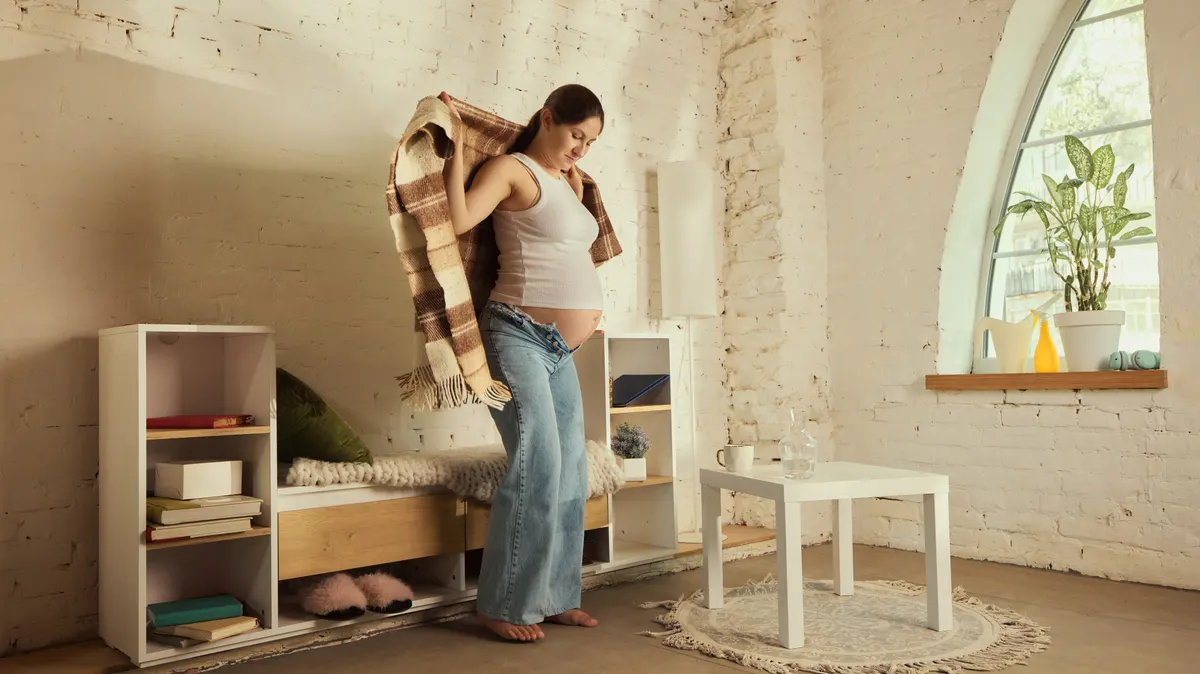
Maternity wear marketing agency: casual young pregnant woman making bed during everyday household routine.

How maternity clothes get bought, and when

Maternity wear has the shortest customer window in clothing. She starts buying somewhere in the middle of the second trimester, buys again when nothing fits at thirty-something weeks, adds nursing pieces for the hospital bag, and then stops. Six months, three or four orders, and a customer who may not return for two years or at all. Brands that grow here treat that window as the whole business and make sure every purchase happens inside it.

We write growth plans for maternity wear brands that already sell online. The plan covers Shopping feeds that declare the maternity size type and carry the panel style and nursing access in the title, product pages that size from a pre-pregnancy size and show the garment at more than one stage, fit tools that cut the returns this category is prone to, and flows timed to the trimester rather than to the order date.

It also covers writing ads for a customer the platforms will not let you name.

The first maternity purchase is late and slightly reluctant. Regular clothes stop closing, she tries a size up in a brand she already owns, that fails, and only then does she search for maternity wear with one question in mind: what size do I buy. The answer is almost always her pre-pregnancy size, and a brand that says so in the first line of its size guide converts better than one that opens with a chart of measurements she cannot take on a body that changes weekly.

After that the buying is by need and occasion. Work clothes that look like the rest of her wardrobe. Leggings and a few tops for the weeks in between. A dress for a shower or a photoshoot, which is the one emotional purchase in the category. Then the hospital bag: a nightgown that opens at the front, a robe, nursing bras.

The details that decide the sale are structural. Over-bump panel or under-bump band. Clip-down nursing access or a layered lift. Whether the piece is designed to be worn after the birth, which changes the arithmetic on something otherwise worn for a few weeks.

Returns are the risk, because she is buying for a body that changes between order and delivery. The repeat is the next trimester, then nursing, then a long silence.
Where maternity wear brands
lose revenue

The four levers, in this niche.

Visitors

Visitors: rank for the stage and the panel

Maternity searches are specific about stage and function: over bump maternity jeans, nursing dress for a wedding, maternity work trousers third trimester. Feed titles that carry the panel style, the nursing access and the fit show up for those; titles that simply add the word maternity to a standard product name do not. Demand is steady across the year because pregnancies are, so this is a category you build rather than spike. We rebuild feed titles and collections around stage and occasion words.

Conversion rate

Conversion: answer the sizing question in the first line

A maternity page converts when the size guide opens by telling her to order her pre-pregnancy size, when the model's week and the size she is wearing are both stated, and when the panel style, the nursing access and whether the piece works after the birth are all in text. A fit quiz that asks pre-pregnancy size, height and current week cuts the returns that eat this category. Free returns and a simple exchange are close to mandatory when the body changes between order and delivery.

Average order

Order value: sell the stage, not the garment

A maternity order grows when the store sells a second trimester capsule, a work bundle or a hospital bag set rather than one top at a time. Nursing pieces belong beside every late-pregnancy item because they stretch the wear window, which is the argument that justifies the price. A belly band or an extension kit adds little to the basket but a lot to the fit, and a gift card catches the shower guest who does not want to guess a size.

Repeat purchases

Repeat purchases: the pregnancy is the cycle

Capture the due date at the first order and let it drive everything. The third trimester email arrives when the second trimester wardrobe stops fitting. The hospital bag list lands a few weeks out. The nursing range follows the birth. Then the category ends, so the last useful message is a handover to whatever else you sell and a note that her size details will still be on the account, because a second pregnancy is the one repeat this category reliably has.

What we do for
maternity wear brands

Five channels, one plan.

Google Shopping and search

Google Shopping and search ads for maternity wear

Shopping titles read the way the search does: Over Bump Maternity Skinny Jeans, Mid Rise, Indigo. The panel style goes in the title because it is the first thing she filters on, and nursing access goes in the title of anything that has it. In the feed, size_type takes the value maternity, which is what separates your listing from a regular garment in the same size and lets Google match a maternity query to it.

We split campaigns by stage and by occasion, because a leggings shopper and a shower dress shopper convert at different values and deserve different bids. Search ads take the sizing question head on, since what size do I buy in maternity clothes is the query that starts most journeys, and an ad that answers it earns the click from one that says shop now. Demand is flat rather than seasonal, so budgets stay steady and the work goes into the pages behind the terms.

Meta and TikTok

Meta and TikTok ads for maternity wear

Maternity creative works when it shows the same garment at different weeks: the dress at twenty weeks and again at thirty-six, the panel being pulled up, the top being lifted for feeding. That progression answers the question a static photo cannot, which is whether this will still fit in two months. Creators filming their own wardrobe across a pregnancy make the ads that convert.

Targeting is the constraint. Platform rules on implying personal attributes mean copy cannot address the viewer as though her pregnancy were known, and interest targeting around pregnancy is limited and unreliable. We build audiences from your own signals: fit quiz completions, size guide views, past customers and their due dates. Retargeting moves from the fit video to the size guide to the stage capsule, and the creative carries the answer rather than a promise.

Merchant Center and the feed

Merchant Center and the feed for maternity wear

Maternity is apparel, so age_group, gender, size, color and the identifier attributes are all required in the main markets. age_group is adult and gender is female. The attribute doing the real work is size_type, which accepts maternity as a value and separates your listings from regular clothing at the same size. size itself carries the pre-pregnancy size, matching what your size guide tells her to order, so the feed and the guide never contradict each other.

Every size and colour of a style shares an item_group_id. product_detail carries the panel style, the nursing access, the rise and whether the piece is designed for wear after the birth. material matters because the stretch questions are constant. Images show the garment on a model with the bump visible, and overlays or size badges get disapproved. Middle sizes sell out fastest, so stock is wired to the feed automatically.

SEO and AI search

SEO and AI search for maternity wear

The searches here are questions before they are products: what size to buy in maternity clothes, when to start wearing maternity jeans, the difference between over bump and under bump, what to pack in a hospital bag. The brand that answers each on its own plain text page is the one an assistant quotes when she asks rather than searches. We build a sizing page that leads with order your usual size, a panel comparison page and a week-by-week wardrobe guide.

Collections are organised by stage, occasion and function, so Third Trimester, Nursing Dresses and Maternity Work Wear are pages with copy rather than filter states. Product pages carry the panel, the nursing detail and the after-birth note as text. Product and FAQ structured data let assistants answer with your sizing advice instead of a forum thread from years ago.

Email and SMS

Email and SMS for maternity wear

Everything is timed from the due date, so ask for it at signup and confirm it at the first order. The second trimester welcome covers what to buy first and what to wait on, which builds trust by telling her not to spend yet. The third trimester email arrives as the earlier pieces stop working. A hospital bag sequence lands a few weeks before, and the nursing range follows the birth.

Because the window is short, the flows have to be tight. An abandoned cart here is usually a sizing doubt, so the reminder answers the sizing question rather than offering money off. The review request asks which week she was at when she wore it, which makes the reviews useful to the next customer. SMS suits the late-pregnancy messages, when email goes unread. The final flow is a graceful ending rather than a win-back, because she is leaving the category, not churning.

First three fixes

What the plan usually starts with for maternity wear brands.

  1. size_type left empty in the feed

    Nothing in the feed declares the range as maternity, so listings compete against regular clothing in the same size and lose the queries that name the category. We set size_type to maternity across the range and put the panel style in the title.

  2. A size guide built from body measurements

    The guide asks for a bust and waist measurement on a body that changes weekly, so she guesses and returns. We rewrite it to open with order your pre-pregnancy size, then keep the measurements below for the few products where they matter.

  3. Flows timed from the order date

    The follow-up sequence fires a set number of weeks after purchase, so a woman who bought at fifteen weeks gets hospital bag emails at twenty-two. We rebuild every flow around the due date, which also makes the nursing handover land at the right moment.

Questions from maternity wear brands

Their pre-pregnancy size, stated in the first line, with any exceptions named underneath. Maternity patterns are cut to accommodate the bump, so sizing up produces a garment that is loose everywhere else. Say it plainly, repeat it on the product page, and set the feed's size attribute to the same value so nothing contradicts it.

Write to the garment, not to the viewer. Platform policies prohibit copy that implies you know something personal, so describe the panel, the fit and the stage the piece suits and let her recognise herself. Build audiences from your own site signals such as fit quiz completions and size guide views rather than relying on interest categories.

Not in the way most clothing is. Pregnancies are spread through the year, so total demand is steady and only the weather-driven products shift. That makes it a category where consistent spend and page quality compound, and where a fourth-quarter surge in other clothing niches simply raises your auction costs without raising your demand.

Show the same garment on a model at two different weeks with the size stated, ask reviewers for the week they wore it, and run a fit quiz that takes pre-pregnancy size, height and current week. Then dispatch quickly, because the gap between order and arrival is itself part of the fit problem in the third trimester.

Nursing pieces immediately, and then very little until a second pregnancy. Sell wear-after-birth as a feature on late-pregnancy items, keep the account and size details in place, and end the sequence with something useful rather than a discount. A brand remembered kindly is the one she returns to two years later.

Other baby & kids stores we work with

Send your maternity wear brand store.

The plan says which lever is leaking and what to fix first, for your store as it is today.

Store, name, email and phone. A person replies from a real inbox. Privacy

Get your free growth plan