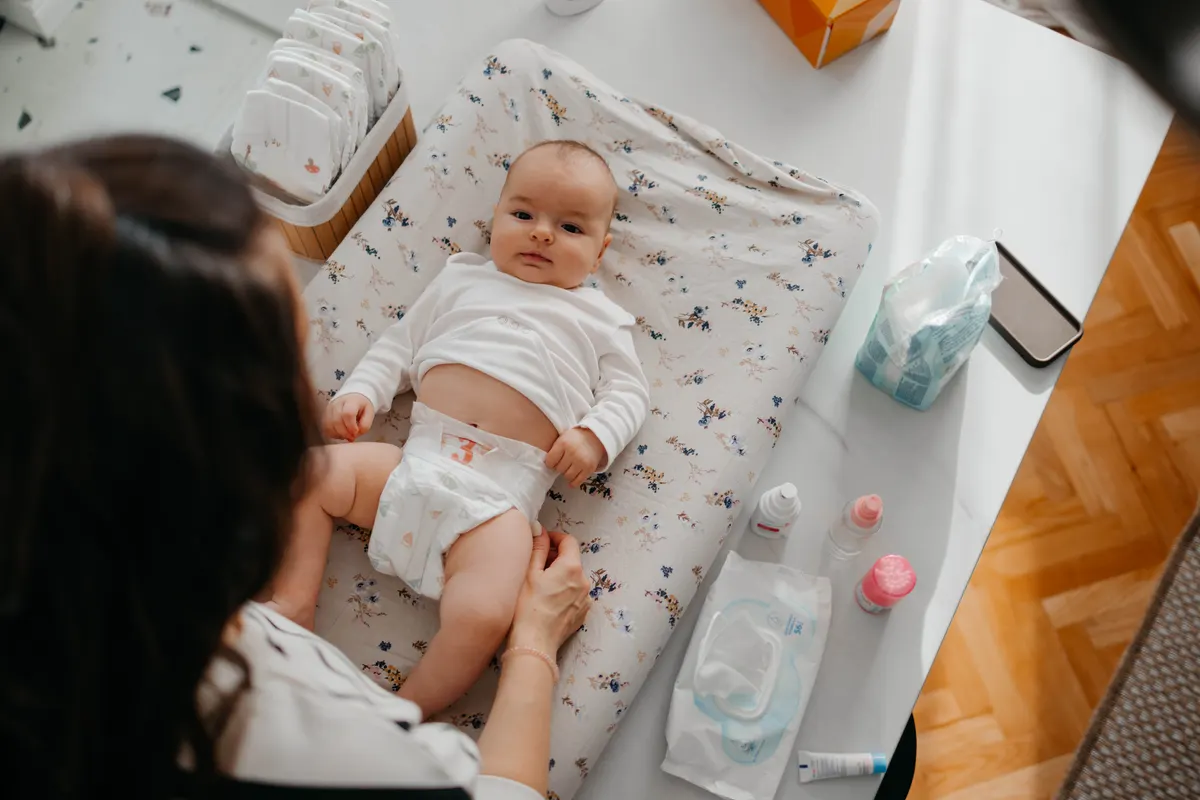
Diapers are the one baby product bought on a schedule no household can skip. The box runs out, someone orders again, and that repetition makes this a subscription business first and an acquisition business second. Two moments decide the whole thing: whether the box arrives before the last one is gone, and what happens when the baby moves up a size. A parent who is not warned about the size change goes back to whichever shop has the next one in stock.
We write growth plans for diaper and wipe brands that already sell online. The plan covers Shopping feeds that carry the size, the weight range and the count so a tile can be compared on price per diaper, product pages that size by weight rather than by month, subscription cadence set from how many the household actually uses, and flows that offer the next size before the current one starts to fail.
It also covers the end of the category, potty training, and how to sell training pants instead of losing the customer.
Diaper buying starts with a weight, not an age. Sizes are numbered and each covers a weight range, so a parent picks by what the baby weighs and then adjusts by fit. A large newborn skips the smallest size entirely, which is why a first order of newborn packs is often the wrong first order and why a store that sizes by month sets itself up for a return.
The first purchase is usually a trial. One pack, or a sample across two sizes, bought after reading about absorbency, the wetness indicator, the elastic at the leg and what the diaper is made of. Comparison happens on price per diaper rather than price per pack, because counts differ between brands, so a shop that shows only a pack price makes itself hard to choose.
After the trial the decision turns logistical. How many a day at this age, how often the box should arrive, whether the plan can be paused for a holiday, whether the size can be changed without cancelling. Subscriptions win here when they are easy to adjust and lose when a change of size means starting again.
Wipes ride along with the diaper order and are the easiest thing to add. The category then ends abruptly at potty training, somewhere in the third year.