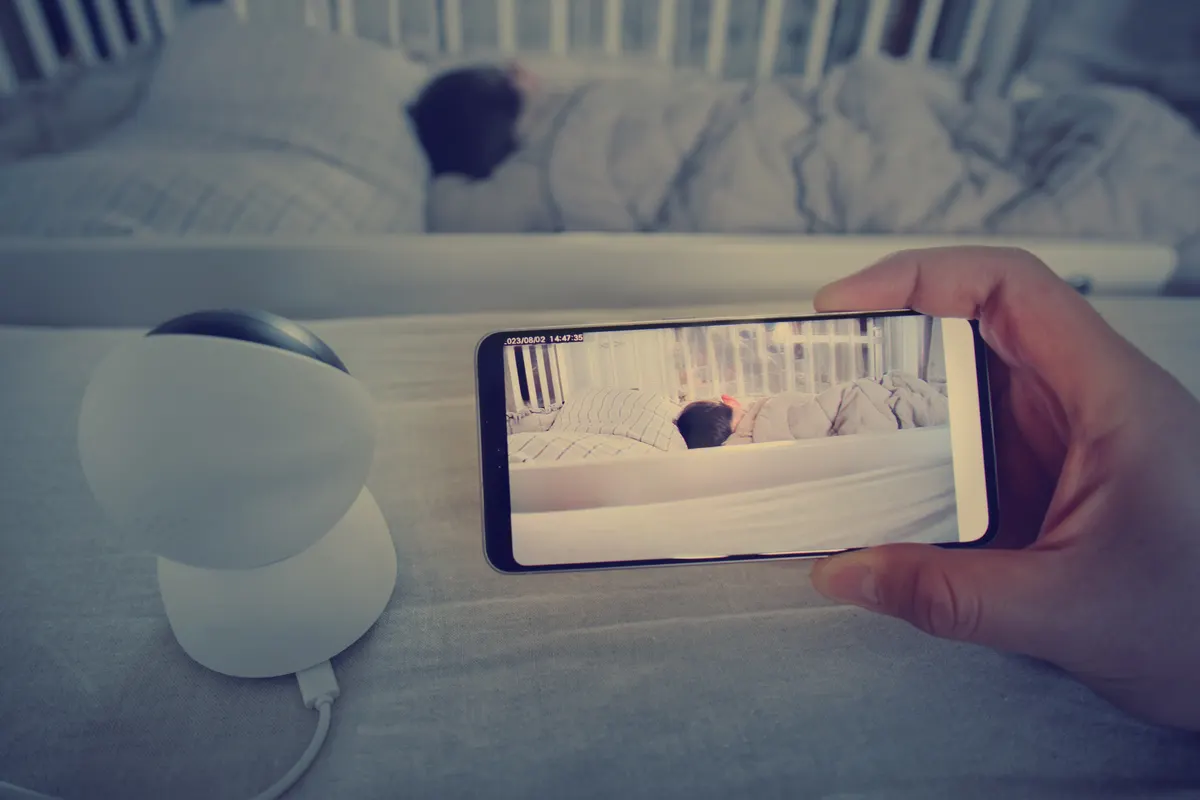
A baby monitor is bought on two questions the box rarely answers: will it work in my house, and who else can see it. Range through walls, whether the system needs wifi at all, where video is stored, whether there is a monthly fee for recordings. Parents put those questions to AI assistants before they open a product page, and the brand whose page answers them in plain text is the one that gets quoted and then bought.
We write growth plans for baby monitor brands that already sell online. The plan covers Shopping feeds that carry the connection type, the range and the screen in the title, product pages that explain the privacy model without marketing language, ad copy written to stay inside the rules on surveillance and health claims, and accessory merchandising that turns one monitor into a second camera and a mount.
It also covers the app, since the reviews on a store listing decide conversions you never see happening.
The monitor is chosen late in the pregnancy or in the first weeks, usually by whichever parent is most worried, and it is one of the few baby purchases where the specification wins the argument outright.
The first fork is the connection. A closed system that pairs a camera to a parent unit without touching the home network, or a wifi camera with a phone app. Households pick a side for reasons they hold strongly, so a range that offers both has to say plainly which is which rather than leaving a buyer to work it out from a table of numbers.
Then the practical questions. Range through walls and floors, which is the figure quoted on the box and the one that disappoints in a stone house. Battery life on the parent unit through a night. Whether the camera pans, how it mounts, how loud the alerts are, whether the night view is actually usable. For app-based systems: where the video is stored, whether it is encrypted, whether a paid plan is needed for recordings, and how the account is secured.
Parents also want to know what the monitor does not do, and a brand that answers that honestly outperforms one that implies more. The purchase is close to one per child, with the repeat being a second camera, a mount, a spare power supply, and a new system for the next baby.