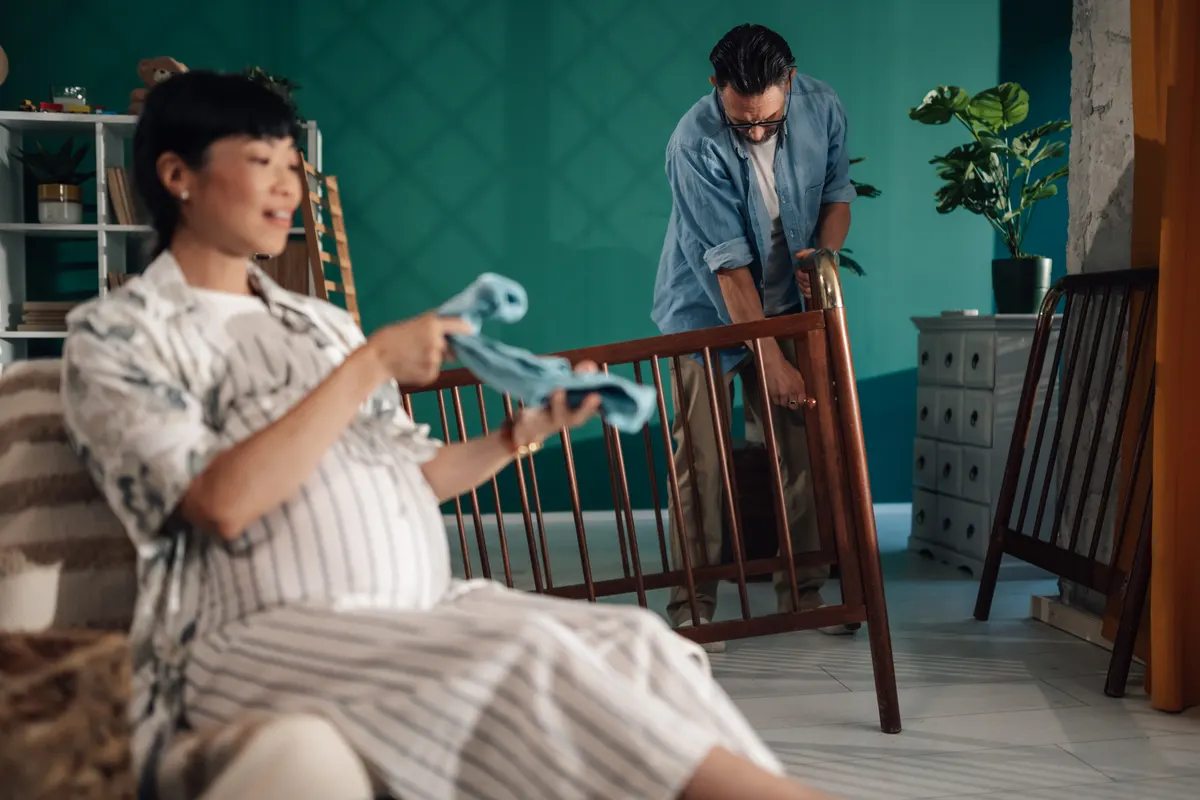
Nursery furniture is bought against a deadline the customer did not choose. The crib, the dresser with the changing topper and the glider have to be delivered and assembled before the baby arrives, so the buying happens in the third trimester, with a lead time the store has to show before checkout rather than after. It is a large, one-off purchase for a room that will be photographed more than any other in the house.
We write growth plans for nursery furniture brands that already sell online. The plan covers Shopping feeds that carry the conversion options and the finish in the title, product pages that state the standard the crib is tested to and which mattress fits it, delivery and assembly information that removes the biggest reason to abandon, and room bundles that lift a single crib order into a full nursery.
It also covers the one repeat purchase this category has, the toddler bed conversion kit that a convertible crib needs around the second birthday, and the handover to kids' furniture after that.
The nursery is planned in the second trimester and bought in the third. Parents pick a look first, usually from a saved collection of room photos, then work out whether the crib converts, how many drawers the dresser has, whether the glider reclines, and whether the whole set will arrive in time. Grandparents often pay for the crib, so it goes on the registry, while the parents buy the rest.
The questions are practical and specific. Which standard the crib is tested to and whether it is current. Which mattress fits the crib's interior dimensions without a gap. What the finish is and whether it carries a low-emission certification. Whether the dresser comes with a wall anchor. How the crib converts, whether the conversion kit is included or sold separately, and whether it will still be available in two years.
Delivery decides the sale. A parent at thirty-four weeks will not order a crib with an unknown lead time, and will not order a glider that needs a freight appointment without knowing how that works. The store that shows the delivery window and the assembly requirement on the product page wins the order from the one that reveals them at checkout.
The purchase is one-off, but the repeat is real: the conversion kit, the toddler rail, and later the first proper bed.