Skip to content

Kids' furniture marketing agency

Marketing for kids' furniture brands: bunk and mid-sleeper configurations in the feed, mattress fit and weight limits in text, and room planning.

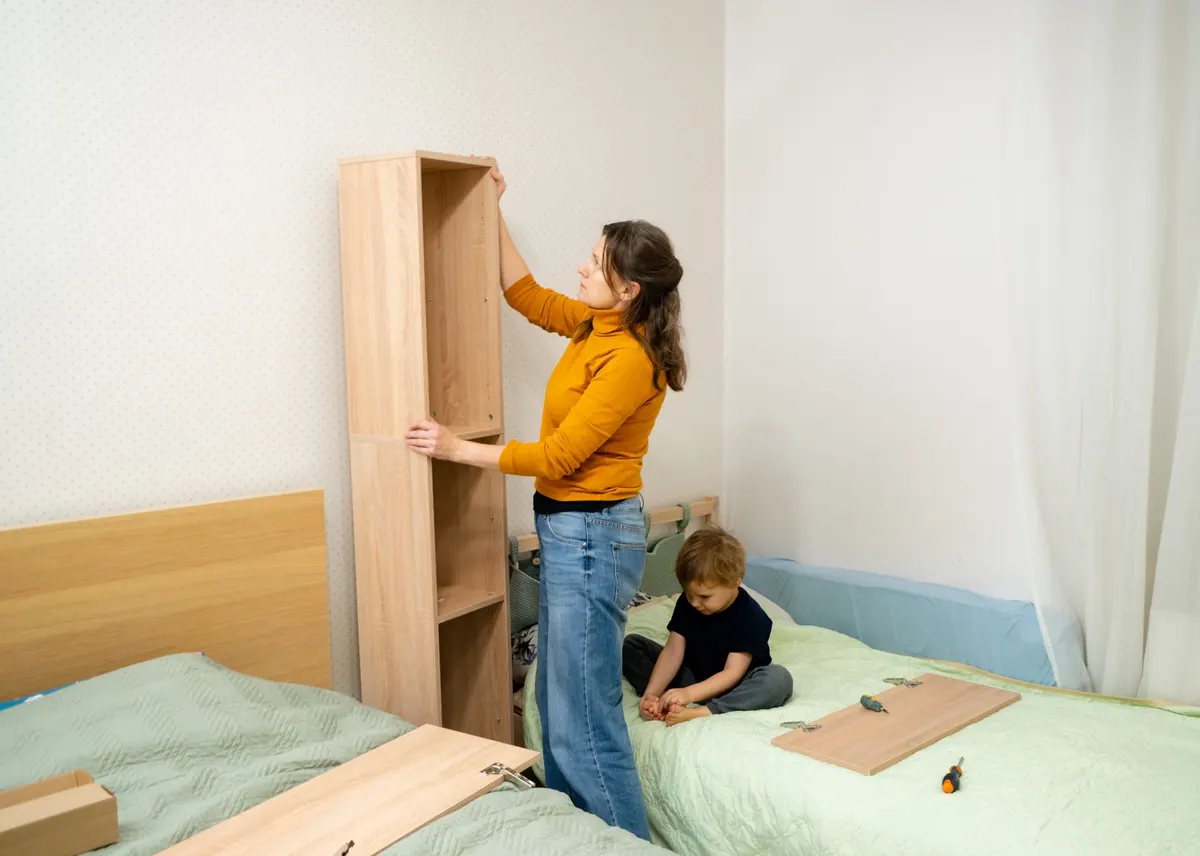
Kids' furniture marketing agency: woman assembling furniture in bedroom, child observing.

How a child's room gets furnished

Kids' furniture is bought at three moments: the move out of the cot, the start of school, and the day two children have to share a room. Each one is a project rather than an impulse. A parent measures the room, works out whether a mid sleeper will clear the window, checks which mattress depth the guard rail allows, and then negotiates the colour with a seven year old. The order is large and considered, and it is easily lost to a page that leaves out one dimension.

We write growth plans for kids' furniture brands that already sell online. The plan covers Shopping feeds that carry the configuration and the finish in the title, product pages that state assembled dimensions, mattress size, maximum mattress depth and weight limits in plain text, room planning content that gets the measuring done on your site, and bundles that turn a bed order into a room.

It also covers the repeat this category really has, which is the same child needing a desk two years later.

It starts with a room and a tape measure. The parent knows the floor space, the ceiling height and where the window and the radiator sit, and every product is judged against that. A mid sleeper has to clear the window. A bunk has to leave room for a person to sit up in the top bed. A wardrobe door has to open without hitting the bed frame.

Then come the specification questions. Which mattress size the frame takes and the maximum depth the guard rail allows, since a mattress that is too thick leaves the rail doing nothing. The weight limit for each level, because adults sit on the bottom bunk. Whether the ladder can go on either side. Whether an anchor kit ships with the tall storage. Whether the bunk splits into two singles later.

The child is usually in the room while this is decided and has firm opinions, which is why colour options and photography carry more weight here than in adult furniture.

Delivery and assembly close the sale. Two-person delivery or kerbside, whether the boxes go to the room, whether the old bed is taken away, how many boxes arrive and whether one adult can build it alone. The repeat arrives years later: a desk at school age, a full size bed for a teenager, a second bed when a sibling moves in.
Where kids' furniture brands
lose revenue

The four levers, in this niche.

Visitors

Visitors: rank for the configuration and the constraint

Searches carry a configuration and a limit: bunk bed for a low ceiling, mid sleeper with a desk underneath, toddler bed that takes a cot mattress, single bed with storage drawers. Feed titles that carry the configuration, the mattress size and the finish rank for those; titles built from a collection name do not. Demand lifts before the school year and again in January when rooms get reorganised. We rebuild titles and collection pages around the words a parent types with a room in mind.

Conversion rate

Conversion: put every number on the page

This page converts on detail: assembled dimensions with a diagram, the mattress size, the maximum mattress depth the guard rail allows, the weight limit for each sleeping level, the ladder options, whether an anchor kit is included and how many people the build needs. A photograph with a child in shot gives the scale a dimension list cannot. Delivery information belongs above the button, including whether it is kerbside or into the room and whether the old bed can be taken away.

Average order

Order value: configure the room in one basket

A bed order grows when the mattress, the guard rail, the trundle, the drawers and the matching wardrobe are configured together with a single delivery. Bedding in the colour the child has just chosen is a small addition most stores forget to offer. A room set priced against the same pieces bought separately makes the case for buying it all now, and one freight charge for the room removes the reason to split the order across two shops.

Repeat purchases

Repeat purchases: the child ages into the next order

There is no reorder here, only a child getting older. A desk and chair at school age, storage when the toys change shape, a full size bed for a teenager, and a second bed when a sibling needs one. Capture the child's age at purchase and time the flows from it. Spare slats, replacement bolts and an extra guard rail are small orders that keep the account alive and put you in the inbox when the next large purchase comes round.

What we do for
kids' furniture brands

Five channels, one plan.

Google Shopping and search

Google Shopping and search ads for kids' furniture

Shopping titles lead with the configuration: Mid Sleeper Bed with Desk and Wardrobe, Single, White. Mattress size, configuration and finish go in the title, and the assembled height goes in product_detail, because a low ceiling is the most common reason a bunk gets rejected. We separate beds, desks, storage and mattresses into their own campaigns and bid hardest on room sets, where the order value carries the click cost.

Search ads take the measured questions: what ceiling height a bunk needs, which mattress depth suits a guard rail, whether a toddler bed takes a cot mattress. The copy answers and lands on a page with the number on it rather than a category grid. Spend rises before the school year and in January when rooms are reorganised, over a steady base from the cot-to-bed move, which happens all year round.

Meta and TikTok

Meta and TikTok ads for kids' furniture

The creative that sells this category is the room, filmed. A pan across the finished room with each piece named, a time lapse of the build with the real duration on screen, and a child climbing the ladder to show the scale. Before and after room shares perform because the audience is a parent who has just decided the current room does not work any more.

Audiences come from your own signals: room planner use, dimension page views, past buyers with a child of the right age. Interest targeting on parenting is blunt, and the copy should describe the furniture and the room rather than address the viewer's family. Retargeting moves from the room tour to the dimensions page to the room set, and lapsed customers see the desk two years after the bed rather than the same bed again.

Merchant Center and the feed

Merchant Center and the feed for kids' furniture

Children's beds and storage sit in the Furniture branch of Google's taxonomy rather than the baby one, with subcategories for beds, bed frames and children's furniture that change how a title is read. GTINs are required where assigned, and finishes and sizes of one frame share an item_group_id.

product_detail is where this category is won or lost: assembled dimensions, mattress size, maximum mattress depth, weight limit per level, ladder position options, number of boxes and whether an anchor kit is included. product_highlight carries the configuration in a line a shopper can scan. Freight items need accurate shipping cost and handling time set in Merchant Center so the tile and the checkout agree, and availability_date covers finishes on back order. Main images show the piece on a plain background with the styled room as an additional image.

SEO and AI search

SEO and AI search for kids' furniture

Parents ask assistants what ceiling height a bunk bed needs, which mattress fits a named toddler bed, what depth of mattress a guard rail allows and when a child should move out of a cot. The brand that publishes each answer as a plain text page is the one quoted back. We build a measuring guide for small rooms, a mattress fit table by frame, and a cot-to-bed timing page that answers honestly rather than pretending there is one right age.

Collections are organised by configuration and by room problem, so Bunk Beds for Low Ceilings, Beds with Storage and Shared Room Layouts are pages with copy. Product pages carry every dimension as text on the page, because a specification a shopper has to download is a specification an assistant cannot quote. Product and FAQ structured data let assistants answer with your figures.

Email and SMS

Email and SMS for kids' furniture

The programme follows the child. Ask for the child's age at purchase or at signup, then send the desk when school starts, storage when the room fills up, and the full size bed when the single is outgrown. A second child on the account triggers the shared room conversation, which is the most valuable message this category has.

Around the order, delivery updates matter because the boxes are heavy and somebody has to be home. An assembly email with the tool list and a realistic build time reduces both calls and returns. A spare parts email a few months in catches the missing bolt before it becomes a review. SMS is kept for delivery windows and for the restock of a finish the child has already chosen, which parents want to hear about the same day rather than the next week.

First three fixes

What the plan usually starts with for kids' furniture brands.

  1. Mattress depth missing from bunk listings

    The page gives the mattress size but never the maximum depth the guard rail allows, so parents buy a deep mattress and return the bed. We put the limit on the page, in product_detail and beside every mattress you sell for that frame.

  2. Room sets that cost more than the parts

    The bundle carries a separate freight charge for each item, so buying the pieces individually across two shops is cheaper and the set never sells. We reprice the set against its parts, charge one delivery for the room and show the comparison on the page.

  3. Children's beds filed under baby furniture

    The feed puts bunk beds and desks in the baby taxonomy, so they compete against cots and miss the furniture queries entirely. We recategorise into the furniture branch and rewrite titles so the configuration comes first.

Questions from kids' furniture brands

Assembled height, width and length, the clearance between the top mattress base and the ceiling, the mattress size for each level, the maximum mattress depth the guard rail allows, and the weight limit per level. Put them on the page as text with a simple diagram, since ceiling height is the constraint that most often ends the purchase.

Offer it in the same basket either way, with only the mattresses that fit the frame and respect the guard rail depth shown as options. Selling it separately keeps the frame price competitive in Shopping, but the fit has to be automatic at the point of choice or you inherit the return.

Before the school year and in the weeks after Christmas, when rooms are reorganised and new toys need somewhere to live. Underneath that sits a steady base from the cot-to-bed move, which happens all year. Plan budgets around two peaks and a constant floor rather than a single fourth-quarter push.

Give each of them their page. The parent needs dimensions, weight limits, assembly and delivery in plain text. The child needs colours, the ladder, the den underneath and photographs of a room that looks like fun. The same product page can carry both if the specification sits below the imagery rather than instead of it.

The child ages into the next purchase. A desk at school age, storage as the toys change, a full size bed in the teenage years, and a second bed when a sibling arrives. Capture the child's age at the first order and time the flows from it, with spare parts and small accessories keeping the account active in between.

Other baby & kids stores we work with

Send your kids' furniture brand store.

The plan says which lever is leaking and what to fix first, for your store as it is today.

Store, name, email and phone. A person replies from a real inbox. Privacy

Get your free growth plan