Skip to content

Acne treatment marketing agency

Marketing for acne treatment brands online: active and strength search, regulated ad copy, feeds that carry drug facts, and flows built for a long routine.

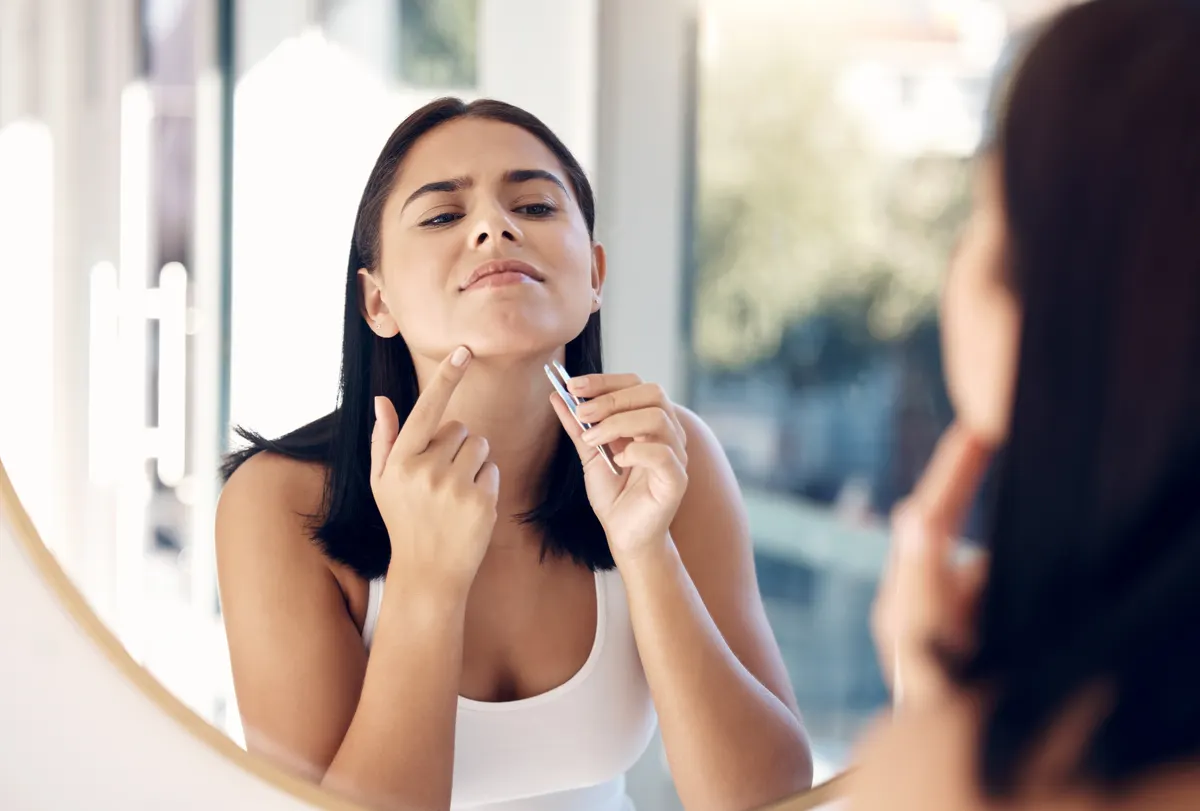
Acne treatment marketing agency: face, hair removal and woman chin with tweezers for beauty, skincare and dermatology for morning routine. Cosmetics treatment, facial health cleaning and hair wellness or hygiene grooming in mirror.

A sceptical shopper who already knows the actives

Acne products sit on the line between cosmetics and medicine, and where they land changes everything about how they can be sold. In several markets a benzoyl peroxide or salicylic acid product is regulated as an over-the-counter medicine with a drug facts panel, permitted strengths and required warnings. A gentle exfoliating cleanser next to it on your shelf may be a straightforward cosmetic. Two products, one shopper, two entirely different sets of rules for what your ads and your feed are allowed to say.

The buyer is different too. Someone searching for an acne product has almost always tried something else first, and often several things. They know the actives by name, they know the strengths, and they are sceptical because the last purchase disappointed them. They are not looking for enthusiasm. They are looking for specifics.

We work with acne treatment brands that already sell online.

This is the most informed shopper in beauty. She has read about benzoyl peroxide and salicylic acid, she knows adapalene exists, and she is comparing your product against three others on strength, formulation and whether it will make things worse before it makes them better. Marketing language slides straight off her. Specifics do not.

So the page has to lead with what is in it and at what strength, what texture it is, whether it can be layered with the other things in her routine, and how long a fair trial takes. Setting the expectation honestly is a conversion tool, not a caveat. Someone who is told to expect a settling period, and who understands the routine is a matter of weeks rather than days, is far less likely to abandon after the first bottle.

There are two buyers with two different frames. The teenager and the adult with hormonal breakouts want different tones, different formats and different price points, and a parent buying for a teenager is a third reader again.

One practical detail belongs on every relevant page: benzoyl peroxide bleaches fabric. Pillowcases, towels, collars. Nobody enjoys learning that from experience, and a brand that says it up front earns the trust it needs for everything else on the page.

Where acne treatment brands
lose revenue

The four levers, in this niche.

Visitors

The active and the strength are the query

People search benzoyl peroxide 2.5, salicylic acid cleanser, niacinamide for breakouts, and increasingly the format alongside it: pimple patches, spot treatment, body acne wash. These are informed searches with clear intent, and they need pages that use the same words rather than a category page called blemish care. We build the campaign structure around actives, strengths and formats, and keep any regulated products in campaigns set up for the certification and market rules that apply to them.

Conversion rate

Strength, texture, layering and a realistic timeline

The doubt this shopper carries is that she has bought something similar before and it did not work. Answer it with detail. The active and its exact strength, the texture and finish, what it can be layered with and what it cannot, whether it is for the whole face or for spots, and how long a fair trial takes. Add the practical warnings, including fabric bleaching where it applies. Specific, honest information converts a sceptic. Enthusiastic copy confirms her suspicion.

Average order

The routine is the order, not the tube

A spot treatment on its own is a small basket and, on its own, an incomplete routine. The products around it matter: a suitable cleanser, a moisturiser that will not make things worse, and sun protection, which is part of most routines that involve an active. Sell that as a considered set with the order of use written on the page, rather than as a discount bundle. It raises the order and improves the experience, which is the only reliable route to a second purchase.

Repeat purchases

Continuity is the product

An acne routine only makes sense if it continues, so a customer who runs out mid-routine is the worst outcome for both sides. Work the run-down out per product, because a cleanser used twice daily and a spot treatment used occasionally empty at completely different rates, then place the reminder before the gap appears. Subscriptions genuinely fit this category, and the moment to offer one is the second order, when the customer has decided the product suits her skin.

What we do for
acne treatment brands

Five channels, one plan.

Google Shopping and search

Actives and strengths in the title, regulated products handled separately

Titles carry the active and the strength because that is exactly what is typed. Benzoyl peroxide 2.5 percent gel 30ml is a matchable title. Clarifying treatment gel is not. Format goes in too, since spot treatment, wash, patch and body spray are different searches with different intents.

The structural decision is separating regulated products from cosmetic ones. Where a product is an over-the-counter medicine, the account may need healthcare certification for that market, the copy is limited to the label, and the feed has to reflect the category correctly. Where a product is a cosmetic, it is described in appearance language. Mixing the two in one campaign means the strictest rule applies to everything and the cosmetic products lose reach they were entitled to.

Copy stays literal. Say the active, the strength, the format and who the product is for. Avoid promises of clearing skin or curing acne, which push a cosmetic listing into a review it cannot survive and put a regulated listing outside its permitted wording.

Meta and TikTok

Routine and education, never a skin transformation

This is the most restricted creative category in beauty and it pays to design for that from the start. Meta does not allow ads that imply something about the person viewing, which rules out most of the copy acne brands instinctively write. If your acne is ruining your confidence is rejected. A gel with two and a half percent benzoyl peroxide, for skin prone to breakouts, is not.

Before-and-after skin imagery is treated as a health outcome and is restricted, and close-up shots of active breakouts often get flagged even without a claim attached. So the creative that survives and performs is educational: how the active works, how to introduce it slowly, what to layer it with, what the settling period feels like, and how long to give it.

Creators are effective here when they talk about routine and expectation rather than results, and when they are honest about the awkward parts. Retargeting works better around education than around discounts, because this shopper does not doubt the price. She doubts the outcome.

Merchant Center and the feed

Correct category, label facts in the data, no cure language

The first thing to get right is the product category, because an over-the-counter medicine and a cosmetic are not the same kind of listing. Regulated products need the correct Google product category, any market-specific approval or registration details, and copy limited to the label. Submitting a medicine as a general beauty product is how accounts end up under review rather than under a single disapproval.

Strength belongs in the title and in the attributes rather than only in the description, because it is a differentiator the shopper is actively comparing. Sizes split into separate offers with unit pricing filled. Multi-packs are bundles and need their own identifier and is_bundle set, not the barcode of a single tube.

Descriptions carry directions, the active, the strength and the warnings, in plain text. Keep treats, cures and heals out of every field. Images show the packaging without added promotional text and without skin close-ups that would fail review. Where a product is restricted in a market, exclude it from that feed rather than letting it be disapproved repeatedly.

SEO and AI search

Ingredient and timeline pages, and the questions asked at night

The searches in this category are questions, and they are asked in full sentences at midnight. How long does benzoyl peroxide take to work. Can I use salicylic acid with retinol. Why is my skin worse after starting a new product. What strength should a beginner use. Does this bleach towels. Should I moisturise if my skin is oily. Those are also, word for word, what people now ask AI assistants, and the pages that get quoted are the ones that answer plainly in the first line and then explain.

Build ingredient pages for each active with strengths, how to introduce it, what not to combine, and what to expect week by week. Build a routine page that puts the products in order. Those pages bring in the traffic that product pages never will, and they are what an informed shopper reads before deciding to trust you.

On products, keep the strength, directions, full ingredient list and warnings in visible text rather than in a label photograph, with structured data listing each size as an offer and reviews shown on the page.

Email and SMS

Onboarding through the awkward weeks, then keep the routine stocked

The highest-value flow here is the one after the first order. An acne routine is a habit that has to survive an uncomfortable start, and most customers quit before the product has had a fair run. A sequence that arrives on day three with how to introduce it, in week two with what a settling period feels like, and in week four asking how it is going, keeps people in the routine long enough to form a view. It also catches the person about to leave a one-star review and gives her somewhere better to put the complaint.

Then the replenishment work, set per product rather than per customer. A twice-daily cleanser and an occasional spot treatment run out at very different rates, so one interval for the catalogue guarantees the wrong timing for most of it. Offer the subscription on the second order.

A third flow serves the switchers. Someone who bought once and never returned usually stopped because the product was too strong, too drying or too slow. Ask, and offer the gentler or stronger option rather than the same tube again.

First three fixes

What the plan usually starts with for acne treatment brands.

  1. Separate regulated products from cosmetics in every account

    Over-the-counter products get their own campaigns, the right product category, any certification the market requires and label-limited copy. Cosmetic products stop being held to rules that were never theirs.

  2. Strip cure language from every surface

    We audit ads, product pages, feed descriptions and email for clears, cures, heals and named conditions, replace them with the active, the strength and the routine, and resubmit the disapprovals with corrected pages.

  3. Build the first-month onboarding sequence

    A flow through the first four weeks explaining how to introduce the product, what a settling period feels like and when to expect a fair verdict, so customers stay in the routine instead of quitting in week two.

Questions from acne treatment brands

It depends on the market, and you have to check each one you sell into. In several countries a product with an acne active at a monograph strength is regulated as an over-the-counter medicine, with a drug facts panel, permitted claims and warnings on the label. In others it may be handled as a cosmetic. The classification sets your permitted ad copy, whether the account needs certification, and how the item must be categorised in the feed.

Because the rejection is usually about the copy or the image, not the product. Meta does not allow ads that assert or imply something about the person seeing them, so anything addressed to your acne or your problem skin fails. Before-and-after skin imagery is treated as a health outcome and is restricted, and close-ups of active breakouts often get flagged too. Rewrite around the formula and the routine, and make educational creative instead of transformation creative.

Yes, and say it clearly. A settling period is the most common reason someone abandons a routine and leaves a poor review, and finding out from a stranger on the internet is worse than hearing it from you. Put a realistic timeline on the product page and build it into the first month of email. Customers who understand what is happening stay with the routine, and the ones who cannot tolerate it can be moved to a gentler option instead of lost.

With separate pages, creative and email, even where the formulas overlap. A teenager wants something simple, affordable and quick to use, and there is often a parent making the actual purchase, which means the page has to reassure two readers. An adult dealing with hormonal breakouts wants the formulation detail, texture that works under makeup and a routine that fits alongside other products. Same shelf, two conversations, and one generic page serves neither.

Yes, better than in most beauty categories, because the routine only works if it continues and running out is the main failure point. Set the interval per product rather than per customer, since a twice-daily cleanser and an occasional spot treatment empty at very different rates. Offer it on the second order, once the customer has decided the product suits her, and make pausing genuinely easy so nobody hesitates to start.

Other beauty & skincare stores we work with

Send your acne treatment brand store.

The plan says which lever is leaking and what to fix first, for your store as it is today.

Store, name, email and phone. A person replies from a real inbox. Privacy

Get your free growth plan