Skip to content

Skincare marketing agency

Marketing for skincare brands that sell online: ingredient search, claims-safe ads, a feed built for actives and sizes, and flows timed to the empty bottle.

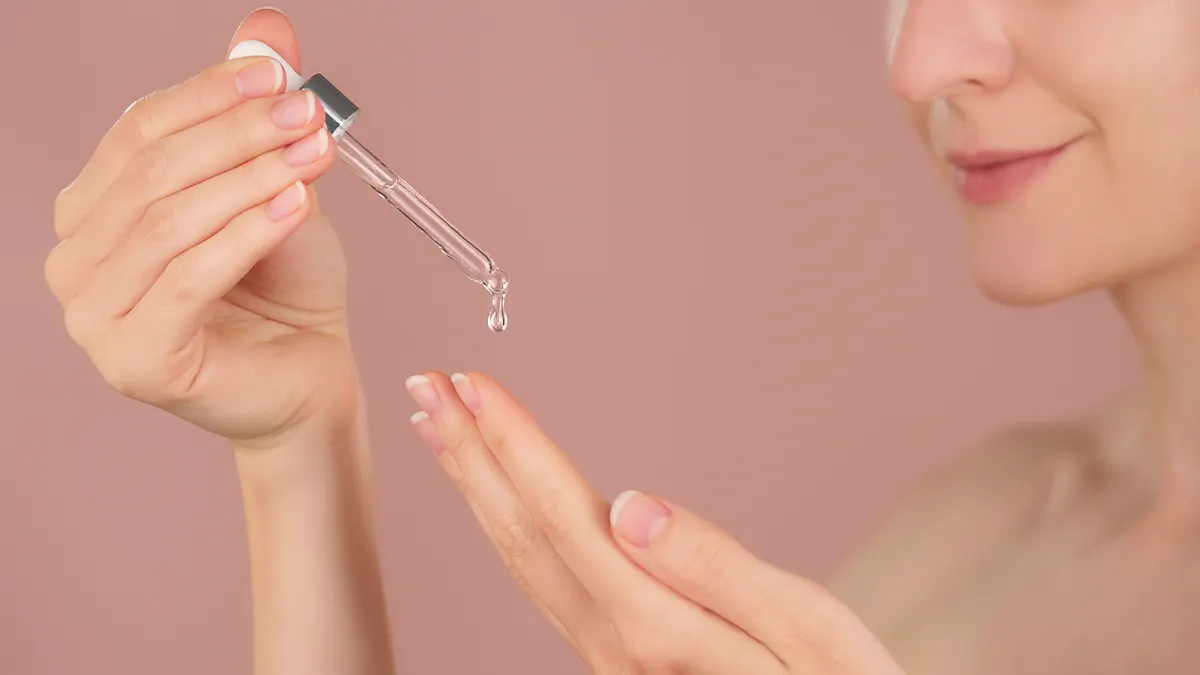
Skincare marketing agency: close-up of female hands on pink background holds dropper facial serum ads.

Routines sell serums

Skincare is bought by ingredient and by concern, then confirmed by routine. A shopper searches for a niacinamide serum or something for dehydrated skin, lands on a product page, and checks three things before adding to cart: the active and its strength, whether it fits the products they already use, and what people with their skin type said after a few weeks. If any of those is missing, they open another tab.

That makes skincare marketing a matter of precision. Titles that carry the active and the size. Pages that say what the product pairs with and what it should not be layered over. Ads that describe what the formula does without claiming to treat a condition. A feed that separates the 30ml from the 50ml so Google shows the right price for the right query. And email that knows a 30ml serum used twice a day is empty in roughly six to eight weeks, and says so before it happens.

We work with skincare brands that already sell online and want those numbers fixed in order.

A skincare shopper rarely buys one product in isolation. They are building or repairing a routine: cleanser, treatment, moisturiser, sun protection, in that order, morning and night. The product they came for is a slot in that routine, and the question on the page is whether it fits the slots around it.

So the product page has to do routine work. Where in the order does this go. Can it be used with retinol. Is it for morning or night. Does it pill under sunscreen. How many drops. How long before results are reasonable to expect. A page that answers those questions reads as expert and converts; a page that lists benefits reads as an advert and does not.

Strength matters and so does size. A serum with a stated percentage of an active sells to a shopper who has been reading, and that shopper will compare the percentage, the size and the price per millilitre across tabs. Put all three where they can be seen without scrolling.

Trial is the normal first purchase. Discovery sets, deluxe samples and 15ml sizes lower the risk of a product that does not suit. The job of the store is to make that first small order easy, then make the full-size order the obvious next step when the sample runs out. A brand that sells the sample and forgets to follow up has paid for a customer it will not keep.

What we do for
skincare brands

Five channels, one plan.

Google Shopping and search

Titles that carry the active, the strength and the size

Skincare search is ingredient-led, so the Shopping title has to be too. A title that reads Brand Serum 30ml loses to one that reads Brand 10% Niacinamide Serum 30ml on every query that contains the active, because Google matches the query against the title first. We rebuild titles in that order: brand, active and strength, product type, size, and skin concern where it fits.

Search campaigns split by intent. Ingredient queries such as vitamin C serum or salicylic acid cleanser are cold and comparative; they get a tight ad group with the page that lists the strength and pairing advice. Concern queries such as serum for dehydrated skin go to a page built around that concern. Brand queries get their own campaign so you can see what is actually driven by awareness elsewhere.

Ad copy stays inside the cosmetic line. Describe what the formula does to the appearance of skin: hydrates, smooths, evens tone. Copy that says treats, cures or heals a named condition triggers a healthcare review and usually a disapproval, and the product stays out of the auction until it is fixed.

Meta and TikTok

Demonstrate texture and routine, skip the medical claim

Skincare creative on Meta and TikTok works when it shows the product being used in a real routine: the drop count, the texture on the back of a hand, where it goes in the order, what it looks like under moisturiser. Shoppers who have never touched the formula need that visual, and it does not need a claim attached to it.

Two policies shape what we make. Meta does not allow ads to assert or imply something about the viewer, so copy like your acne-prone skin needs this is rewritten as for skin that is prone to breakouts. Before-and-after images that suggest a health result are restricted, and skin close-ups can be flagged as well. We keep results claims off the creative and let reviews and ingredient facts carry them on the page.

Audiences follow the routine, not the demographic. People who bought a cleanser see the serum that follows it. People who bought the sample see the full size. Creators are briefed on the honest use case, with the layering advice included, because the comments under the video are where the second wave of shoppers decides.

Merchant Center and the feed

One offer per size, identifiers sorted, product highlights filled

A skincare feed goes wrong in predictable places. The 30ml and 50ml of the same serum are submitted as one product with one price, so the cheaper query lands on the wrong price and the click wastes money. We split sizes into separate offers grouped by item_group_id, with size stated in the size attribute and in the title, and unit pricing measures filled where the market shows price per millilitre.

Identifiers cause the second wave of problems. A brand that owns its formulas usually has GTINs from its own barcode range; those go in. A brand that does not have one for a product should mark identifier_exists as false rather than leave the field blank or borrow a code, which gets the offer disapproved for a mismatched identifier.

Then the descriptive fields do the work. Product highlights carry the active, the strength, the skin type it suits and the fragrance-free or vegan facts. Product detail pairs carry skin concern and usage time. Images are the bottle on a plain background with no overlaid text, because a promotional overlay is a disapproval reason on its own. The description repeats the how-to-use, because Google reads it for matching and shoppers read it in the Shopping panel.

SEO and AI search

Concern pages, ingredient pages, and answers assistants can quote

Skincare search has three layers and a store needs all of them. Product pages rank for the exact product. Collection pages rank for the concern: dehydrated skin, dullness, uneven texture, redness. Ingredient pages rank for the active: what niacinamide does, what strength to start with, what not to layer it with. Most skincare stores have the first layer only, so the concern and ingredient traffic goes to publishers.

Shoppers now ask AI assistants the same questions in full sentences: can I use vitamin C and retinol together, what strength of retinol should a beginner use, is this serum fine for sensitive skin. Assistants answer from pages that state facts plainly and cite usage. We write product and ingredient pages as direct answers with clear headings, list the pairing rules and cautions in plain text, and keep the specifications in the visible HTML rather than in an image.

Structured data does the rest: product markup with each size as an offer, FAQ markup on the layering questions, and review markup that reflects reviews actually on the page. Internal links run from the ingredient page to the products that contain it, and from the concern page to the routine that addresses it.

Email and SMS

Replenishment set to the real run-out date of each product

A skincare store's email calendar is a set of run-out dates. A 30ml serum used morning and night lasts roughly six to eight weeks. A 50ml moisturiser lasts longer, a 15ml eye cream longer still. A flow that sends the reorder reminder at thirty days for everything is early for some products and late for others, and a late reminder is a customer who has already bought elsewhere.

We map each product to an expected usage window from its size and directions, then set replenishment flows per product. The first message lands about a week before the estimated empty date, with a one-click reorder and the option to switch to a subscription at a small saving. The second message, for people who did not act, asks whether the product suited them and offers the alternative size or the neighbouring product.

The sample-to-full-size flow is separate. Someone who bought a discovery set gets a sequence timed to when each sample would be used up, with the full size of each one and the routine order explained. SMS is used for the reorder reminder only, because that is the one message a skincare customer actually wants on their phone.

First three fixes

What the plan usually starts with for skincare brands.

  1. Split every size into its own feed offer

    Most skincare feeds we open have the 30ml and 50ml merged, or sizes only in the description. We split them, fill size and unit pricing, and group by item_group_id so each query lands on the matching price.

  2. Rewrite claims copy to the cosmetic line

    We audit ad copy, landing pages and feed descriptions for treats, cures, heals and named conditions, replace them with appearance language, and appeal the disapprovals with the corrected pages.

  3. Set replenishment timing per product

    We calculate the usage window for each SKU from its size and directions, then rebuild the reorder flow so a serum customer hears from you before week six and a moisturiser customer later.

Questions from skincare brands

Not as a cosmetic. Treats, cures and heals attached to a named condition are read as medical claims and trigger a healthcare review that a cosmetic product does not pass. Describe what the formula does to the appearance of skin instead. If a product is registered as an over-the-counter medicine in a market, it is a different category with its own permitted claims, which we cover on the acne treatment page.

Keep the set small, with the products that make up one routine rather than a random selection, and state on the page and on the box which full size each sample corresponds to. Then run a flow timed to when each sample would run out, offering the full size of that product with the routine order explained. The set is a lead, not a sale, and it only pays if the flow exists.

Usually one of two things. The GTIN submitted belongs to a different size or an older formulation, so the product data Google holds for that code disagrees with your title. Or a code was borrowed or invented. Submit the correct GTIN from your own barcode range, or set identifier_exists to false if the product genuinely has none, and resubmit.

Work it out from the product rather than from a default. A 30ml serum used twice a day at a few drops per use lasts roughly six to eight weeks, so the first reminder should land around week five or six. A 50ml moisturiser used once a day lasts longer. We set a window per product and adjust from actual reorder behaviour.

Both, in separate campaigns. Ingredient searches are where new customers come from, and they convert when the landing page states the strength, the size and the pairing advice the shopper is comparing. Brand searches are cheap and should be kept apart so you can see what awareness elsewhere is driving. A store that only bids on its name grows only as fast as its name does.

Other beauty & skincare stores we work with

Send your skincare brand store.

The plan says which lever is leaking and what to fix first, for your store as it is today.

Store, name, email and phone. A person replies from a real inbox. Privacy

Get your free growth plan