Skip to content

Clean beauty marketing agency

Marketing for clean beauty brands online: free-from search, ads inside misleading-claims policy, certifications in the feed, and refill flows.

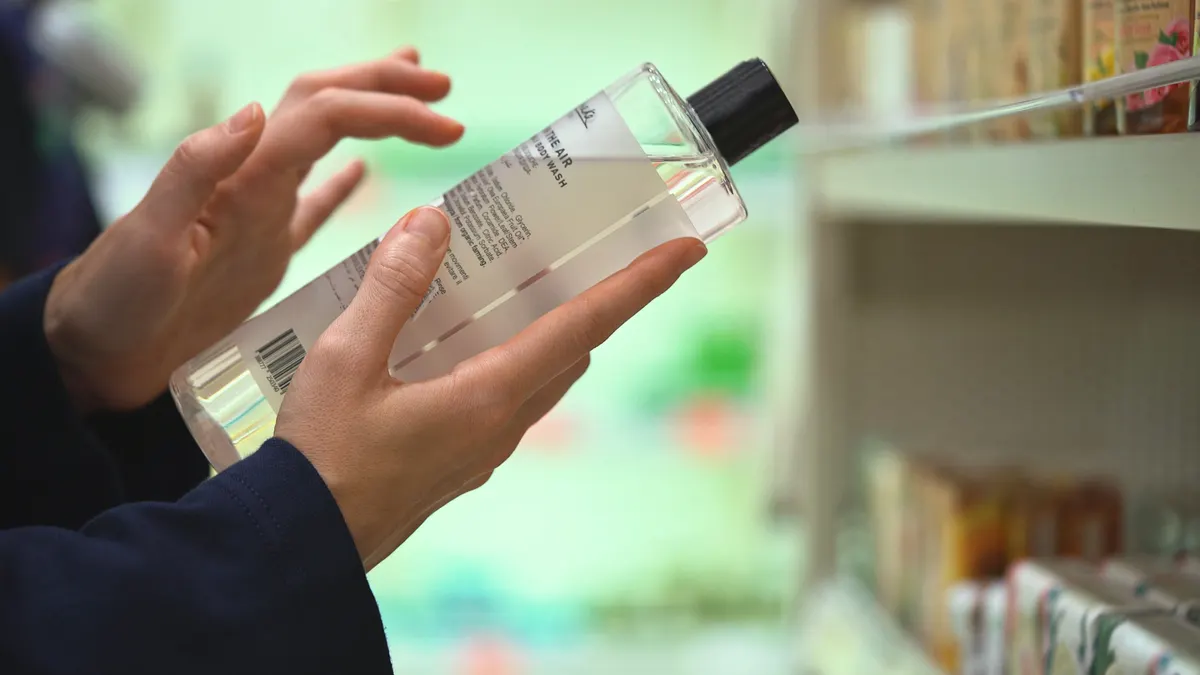
Clean beauty marketing agency: woman choosing cosmetic product in pharmacy or beauty shop.

The ingredient list is the product page

Clean beauty is a promise about what is not in the bottle, and the shopper checks it. They search paraben-free, fragrance-free, silicone-free or safe during pregnancy, open the full ingredient list, and look for a certification mark they recognise before they trust the word clean, which no regulator defines. The product page is the ingredient list, and the ingredient list is the product.

That sets the marketing task. Search and Shopping have to match free-from queries with pages that carry the full INCI list in visible text. Ads have to describe what is excluded without implying that ordinary cosmetics are dangerous, which is where clean beauty copy runs into misleading-claims policy on Google and Meta. The feed has to state certifications and exclusions as attributes rather than bury them in a paragraph. And the repeat cycle often runs through refill pouches and larger formats, which changes what the reorder email should offer.

We work with clean beauty brands that already sell online.

Clean beauty shoppers read differently from other skincare shoppers. They start at the bottom of the page, at the ingredient list, and work upward. If the list is an image, truncated, or missing, they leave. If a term they distrust appears, they leave. If the list is complete and matches what the brand says on the front, they start reading benefits.

They also check for third-party marks. Certification and verification schemes for ingredient safety, cruelty-free status and organic content exist and are recognised; a mark from one of them on the product page does more than a paragraph of brand values. If you hold one, it should be visible near the price and stated in the feed.

The phrase non-toxic is the one that gets brands in trouble. It implies that products without the label are toxic, which is a claim about other products that cannot be substantiated. Ad platforms treat that as misleading. Strong clean beauty copy says what is excluded, why the brand chose to exclude it, and what is used instead. It does not diagnose the rest of the shelf.

Packaging is part of the purchase. Refill pouches, glass with aluminium lids, and returnable containers are reasons to buy for this shopper, and they change the repeat cycle: the second order is often the refill at a lower price, not the same bottle again.

What we do for
clean beauty brands

Five channels, one plan.

Google Shopping and search

Match exclusion queries, avoid the non-toxic trap

Clean beauty search is query by exclusion. Fragrance-free moisturiser, silicone-free conditioner, mineral sunscreen without oxybenzone. Shopping titles carry the exclusion that matters most for the product, and search ad groups are built one per exclusion with a landing page that repeats it in the first line and shows the full ingredient list.

The copy line is where this category differs from ordinary skincare. Google's misrepresentation policy covers claims that mislead by implication. Non-toxic, chemical-free and safe alternative to conventional products all imply something about other products that cannot be proven, and reviewers do flag them. We write ad copy as made without parabens or formulated without synthetic fragrance, which states the fact and stops there.

Certification marks can appear in ad text where the brand holds them. Claims of organic content follow the rules of the certification body named. Where a brand says it is free of a long list of ingredients, we test whether a short list of the ones shoppers search for outperforms the wall of exclusions, because it usually does.

Meta and TikTok

Ingredient explainers outperform fear

Clean beauty creative that performs on Meta and TikTok is explanatory. What this ingredient is, why we left it out, what we used instead and what that means for how the product feels. Creators who read the label on camera and talk through it hold attention, and the comments fill with questions we can answer in the next video.

Fear creative fails, and it fails on policy first. Copy that frames ordinary cosmetics as dangerous, or that implies the viewer is harming themselves, breaches Meta's rules on misleading claims and on negative self-perception. We do not run it. Pregnancy-safe messaging is handled with care, since it edges toward a health claim; we state the exclusions and let the shopper and their doctor decide.

Audiences are built from ingredient interest rather than beauty interest broadly. Retargeting follows the reading pattern: someone who opened the ingredient list and left sees the explainer video, someone who added to cart sees the certification and the refill story. Refill-focused creative, showing the pouch going into the jar, does well with existing customers and is worth a small budget on its own.

Merchant Center and the feed

Certifications and exclusions as attributes, not prose

A clean beauty feed should let Google filter on the things this shopper filters on. Product highlights carry the exclusions in short phrases: fragrance-free, no parabens, vegan, cruelty-free certified. Product detail pairs carry the certification name and the organic percentage where it is certified. Those fields are read for matching and shown in the Shopping panel, which is exactly where the shopper looks for them.

The material attribute is not for ingredients; leave it for packaging where relevant. Ingredients belong in the description in full, because the description is indexed and a truncated list there mirrors the truncated list on the page that loses the sale.

Disapprovals in this category come from two places. The first is a description or title that includes non-toxic or a comparative safety claim, which is treated as misrepresentation. The second is refill products submitted with the same GTIN as the original container, which reads as a duplicate offer with a different price. Refills get their own identifier or identifier_exists set to false, their own title with refill in it, and are linked to the parent through item_group_id only if they are a true variant of the same product.

SEO and AI search

Exclusion collections and the questions people ask assistants

The pages that rank in clean beauty are exclusion collections and ingredient explainers. A collection for fragrance-free skincare with the exclusion in the heading, a sentence on why, and the full range with ingredient lists visible. An explainer on what a named preservative does, why the brand avoids it, and what it uses instead. These pages take the traffic that a product page alone cannot.

AI assistants get asked a specific set of questions here: is this ingredient safe during pregnancy, is this brand actually clean, what does fragrance-free mean when the product still smells, is this certification real. Assistants answer from pages that name the ingredient, state the exclusion and cite the certification. Product pages that keep the full INCI list in text, in a consistent position, with the certification named and linked, are the ones that get quoted.

Avoid the trap of claiming a definition of clean that no regulator holds. Write the brand's own standard as a list, with the reason for each item, and let the honesty rank. Structured data carries the ingredient list where the product schema allows it and FAQ markup on the safety questions.

Email and SMS

Refill reminders at the refill price, and the standard explained once

Clean beauty customers expect the brand to remember that they bought the refillable jar. The reorder flow offers the refill pouch, at the refill price, timed to the product's usage window, with a single tap to buy. A flow that offers the full jar again to someone who owns one reads as though the packaging promise was marketing.

The welcome sequence has one extra job in this category. New customers want the standard explained: what is excluded, why, and how the brand checks its suppliers. One plain email on that, sent after the first order, does more for the second order than any discount, because it confirms the reason they chose you.

Ingredient news is a legitimate reason to email. When a formula changes, say so, name the change and why. When a certification is renewed or added, say so. This audience reads those emails. SMS is reserved for the refill reminder and shipping, and a refill subscription is offered at the point where a customer has reordered twice.

First three fixes

What the plan usually starts with for clean beauty brands.

  1. Remove non-toxic and comparative safety claims from every surface

    We audit ads, feed titles, descriptions and pages for non-toxic, chemical-free and phrases that imply other products are unsafe, replace them with what is excluded and what replaced it, and resubmit disapproved offers.

  2. Put the full ingredient list in text on every product page

    Lists in images or hidden accordions do not rank and do not convert this shopper. We move the INCI list into visible text in the same position on every page, with the certification named beside it.

  3. Build the refill reorder flow

    Customers who bought a refillable product get a reorder message timed to the product's usage window that offers the pouch at the refill price, with a subscription option after the second refill.

Questions from clean beauty brands

Because non-toxic implies that other moisturisers are toxic, which is a claim about other products that cannot be substantiated, and Google's misrepresentation policy covers claims that mislead by implication. The same applies to chemical-free, since everything is made of chemicals. Rewrite the ad to state what is excluded, for example made without parabens or synthetic fragrance, and resubmit. That wording passes and it is what the shopper is actually searching for.

Be careful. Safe during pregnancy is a health claim, and neither the ad platforms nor most regulators will let a cosmetic brand make it without qualification. The honest approach is to state which ingredients are excluded, note that the product contains no retinoids or other ingredients commonly avoided in pregnancy if that is true, and suggest the shopper checks with their doctor. That answers the question without making a promise you cannot stand behind.

On the product page, in text, in the same position every time, and in full. This shopper reads the list before anything else, and a link to another page or an image of the label loses them. A separate ingredient glossary that explains what each ingredient does is a good addition, but it links from the list, it does not replace it.

As their own products, with their own identifier or identifier_exists set to false, a title that includes the word refill and the size, and a description that says which container they fit. Submitting the refill under the original jar's GTIN reads as a duplicate offer at a different price and gets one of them disapproved. Only group them under item_group_id if the refill is a true size or format variant of the same product.

For this shopper it helps, provided it is a scheme they recognise and it is placed where they look. A recognised mark near the price and stated in the feed answers the is-this-really-clean question in one glance. A mark from a scheme nobody has heard of does little, and a made-up badge does harm once someone checks it.

Other beauty & skincare stores we work with

Send your clean beauty brand store.

The plan says which lever is leaking and what to fix first, for your store as it is today.

Store, name, email and phone. A person replies from a real inbox. Privacy

Get your free growth plan