Skip to content

Haircare marketing agency

Marketing for haircare brands online: hair-type search, shampoo and conditioner duos, sizes split in the feed, safe claims, and wash-cycle reorder flows.

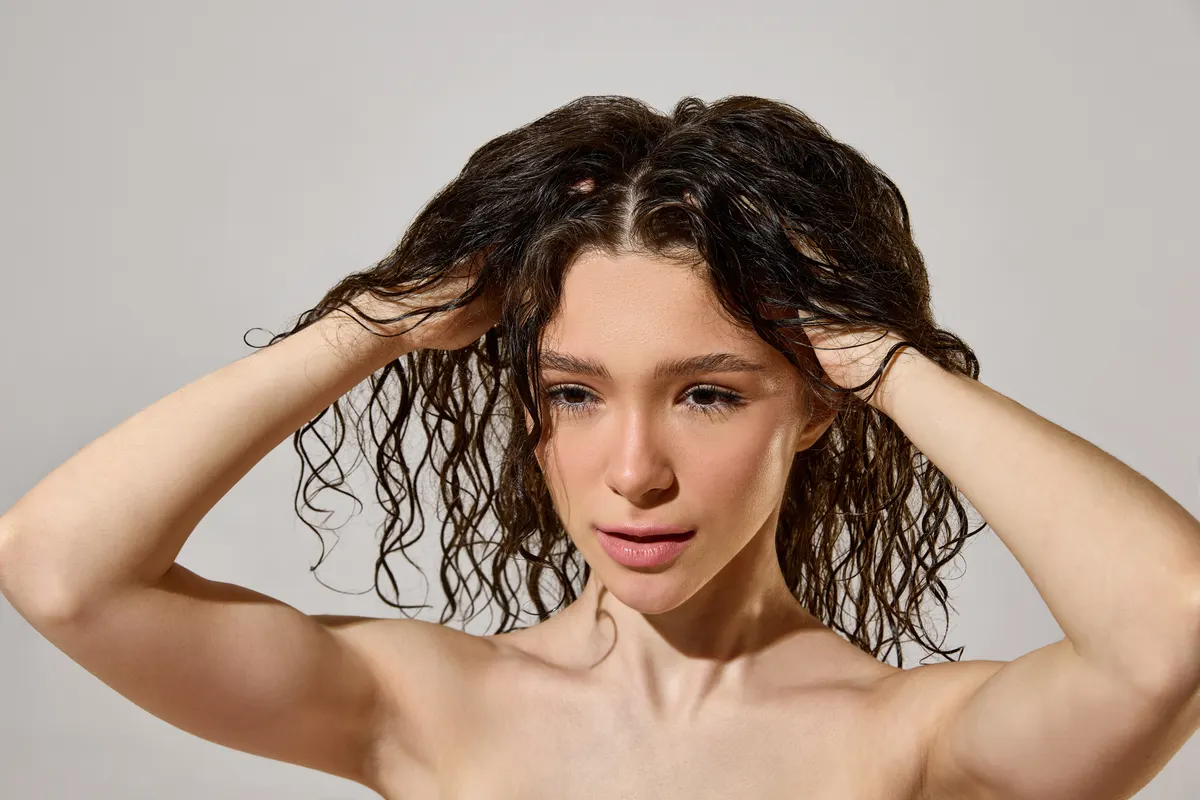
Haircare marketing agency: woman massaging wet curly hair roots during moisturizing hair care routine.

Hair type first, brand second

Haircare is bought by hair type first and brand second. Curly, coily, fine, thick, colour-treated, bleached, oily scalp, dry ends. The shopper searches the type and the problem, and the page has to say in the first line who the product is for. A shampoo for everyone is a shampoo for no one in search, and the results pages prove it.

The buying unit is the pair. Shampoo and conditioner are bought together, used at a ratio that empties the conditioner first, and reordered on a cycle set by how often the shopper washes. Litre sizes and refills are the natural second order. Masks, oils and leave-ins are the add-ons, and scalp care is the fastest-moving shelf in the category.

Claims are where haircare marketing gets caught. Growth, thickening and hair loss language is treated as a health claim on Google and Meta, and a damage-reversal promise can be as well. The plan for a haircare brand starts with what each product can say, then builds search, social, the feed and the reorder cycle around the type it serves.

A haircare shopper knows their hair better than any brand does, and they are looking for the product that admits it was made for them. The product page has to declare the hair type and concern up front: for fine hair that falls flat, for coils that need slip, for colour that fades in two washes. Then it has to say what is in it, in the words this shopper uses: sulfate-free, silicone-free, protein or moisture, and what it does to how the hair feels and looks.

Ingredient trends move this category quickly. A single oil or a repair technology becomes the thing everyone searches, and the brand that has a product to point at, with an honest explanation of what it does, takes the wave. The brand that adds the word to an existing product without changing it gets found out in reviews.

The pair drives the order. Most shoppers buy shampoo and conditioner together and use conditioner faster, so the duo, and a duo with an extra conditioner, is the natural product to push. Litre sizes at a per-millilitre saving are the upgrade for the committed customer, and the stated saving should be visible on the page.

Repeat is set by wash frequency. Someone washing daily empties a bottle in weeks; someone washing twice a week takes months. A quiz or a simple question at checkout about wash frequency sets the reorder timing better than any average, and a brand that asks it can time the reminder to the actual bottle.

What we do for
haircare brands

Five channels, one plan.

Google Shopping and search

Hair type in the title, sizes split, growth words removed

Haircare Shopping is won on the title. Brand Shampoo 250ml is invisible for the queries that matter; Brand Moisture Shampoo for Curly Hair 250ml is present for all of them. We rebuild titles as brand, product, hair type or concern, key formulation fact, size, and split sizes into separate offers so the 250ml and the litre each meet their own query at the right price.

Search campaigns are structured by hair type and concern rather than by product line, because that is how the demand arrives. Curly, coily, fine, colour-treated, dry scalp and oily scalp each get an ad group with a landing collection that repeats the type in its heading. Ingredient queries such as sulfate-free shampoo or rosemary oil for hair sit in their own groups with pages that explain the ingredient honestly.

Copy stays on the cosmetic side of the line. Hair growth, thicker hair, stops hair loss and regrows all trigger a healthcare review and in some markets an outright disapproval. Fuller-looking, thicker-feeling, reduces breakage and supports a healthy-looking scalp describe the product without diagnosing the shopper. Bond repair language is fine where the product actually does it; damage reversal is not.

Meta and TikTok

Wash-day videos and the type-match test

Haircare creative on TikTok and Meta is the wash-day video. Real hair, real texture, the product going in, the result drying. Creators are chosen by hair type first, because the viewer is matching their own hair to the one on screen, and a beautiful video on the wrong hair type sells nothing to the audience that sees it. We brief creators on the honest use case and ask them to state their hair type on camera.

Two policy lines shape the copy. Meta prohibits asserting personal attributes, so struggling with thinning hair becomes for hair that looks fuller. Before-and-after images for hair loss or growth are treated as health results and rejected; before-and-after for curl definition or shine from a styling product is generally acceptable because it is appearance, not health, but the images must be honest and undramatic.

Audiences are built from hair-type engagement and past purchase. Retargeting follows the pair: someone who bought the shampoo alone sees the conditioner, someone who bought the duo twice sees the litre. Scalp care creative is a separate line with its own audience, because the scalp shopper is searching a problem, not a type.

Merchant Center and the feed

Sizes as separate offers, hair type as attributes, no growth claims in descriptions

A haircare feed usually has three faults. Sizes merged into one offer, so a litre query lands on the 250ml price or the reverse. Hair type absent from every structured field, so Google cannot match a curly-hair query to the product. And descriptions carrying growth or loss language copied from the packaging, which gets the offer disapproved under healthcare policy.

We split sizes into offers grouped by item_group_id with the size attribute filled and unit pricing measures set, because price per litre is what the litre shopper compares. Hair type and concern go into product highlights and product detail pairs in the shopper's words, and the key formulation facts, sulfate-free, silicone-free, protein-free, go there too. The description carries the full ingredient list and the how-to-use.

Duos and sets are their own offers with is_bundle set, not the shampoo's GTIN reused. Refill pouches are separate products. Images are the bottle, or the pair, on a plain background. Growth, thinning and loss words are removed from titles and descriptions, and the disapproved offers are resubmitted with the corrected text.

SEO and AI search

Hair-type collections, ingredient explainers, and the questions people ask assistants

Haircare search runs on hair-type collections and ingredient explainers. A collection for fine hair, with the type in the heading, a paragraph on what fine hair needs, and every product for it, is the page that ranks. An explainer on what a named ingredient does for hair, with honest limits, takes the trend query. Product pages alone do not rank for either.

Shoppers ask AI assistants how often to wash their hair type, whether sulfate-free shampoo will clean oily hair, what protein overload looks like, and whether a named oil grows hair. Assistants answer from pages that give a direct answer and a reason, and they avoid pages that make growth promises. Writing the honest answer, including where a product does not help, is what gets a haircare brand cited.

Product pages state hair type, concern, key ingredients, scent in plain terms, size, and how many washes a bottle gives at a typical amount, which is a specific this shopper looks for. Structured data lists each size as an offer and marks up the FAQ answers on usage. Internal links run from the type collection to the duo and from the ingredient page to the products that contain it.

Email and SMS

Reorder timed to washes, and the conditioner before the shampoo

A haircare reorder flow starts with a question the brand should ask at purchase: how often do you wash your hair. From that and the bottle size we set the reminder date per customer. Daily washers hear from you in a few weeks; twice-weekly washers hear from you months later, and neither is annoyed. Conditioner usually runs out first, so the reminder for a duo customer leads with the conditioner.

The upgrade path is the litre. After the second reorder of the same bottle, the flow offers the litre size with the per-wash saving stated plainly, and a subscription at that size for people who want to stop thinking about it. Masks and treatments are offered on a longer timer, since they are used weekly.

Seasonal email is honest about hair: summer sun and chlorine, winter dryness, post-colour care. It is useful and it sells the treatment. SMS is reserved for the reorder reminder and the restock alert on a sold-out size.

First three fixes

What the plan usually starts with for haircare brands.

  1. Put the hair type in every title and attribute

    We rewrite titles and fill product highlights and product detail with hair type, concern and formulation facts so Shopping and search can match the queries that drive this niche.

  2. Take growth and loss language off every surface

    We audit ads, descriptions and pages for hair growth, thinning and loss claims, replace them with appearance language, and resubmit the offers and ads that were disapproved.

  3. Ask wash frequency and set the reorder to it

    One question at checkout or in the welcome flow sets a per-customer reorder date; the flow leads with conditioner and offers the litre after the second repeat.

Questions from haircare brands

Not in ads or the feed, and not honestly on the page either unless you hold evidence for it. Growth, regrowth and hair loss language is treated as a health claim by Google and Meta and gets the ad or offer disapproved. Describe what the product does to how hair looks and feels: fuller-looking, less breakage, a healthier-looking scalp. If a shopper asks whether it grows hair, answer honestly on the page; that answer is the one assistants quote.

Hair-type and concern searches are where new customers come from, so they get the structure and most of the budget, with a collection page per type as the landing page. Product-name and brand searches are kept in their own campaign so you can see what is driven by awareness elsewhere. A haircare brand that only bids on its own names reaches only the people who already know it.

The litre is a size variant of the same product: its own offer, grouped with the smaller sizes by item_group_id, with the size attribute and unit pricing filled so the per-litre price is visible. The refill pouch is a separate product with its own title including the word refill, its own identifier or identifier_exists false, and a description saying which bottle it fills. Reusing the bottle's GTIN for either gets one of them disapproved.

Ask them how often they wash their hair, at checkout or in the first email, and combine that with the bottle size. Someone washing daily empties a 250ml bottle in a few weeks; someone washing twice a week takes a few months. Set the reminder per customer from that, lead with the conditioner because it runs out first, and adjust from actual reorder timing as it comes in.

For styling results such as curl definition, frizz or shine they are generally acceptable and they do work, provided the images are honest, shot in the same light and not exaggerated. For anything to do with growth, thickness or loss they are treated as health results and rejected. Keep the two apart and never let a styling before-and-after imply a growth result.

Other beauty & skincare stores we work with

Send your haircare brand store.

The plan says which lever is leaking and what to fix first, for your store as it is today.

Store, name, email and phone. A person replies from a real inbox. Privacy

Get your free growth plan