Skip to content

Hair extension & wig marketing agency

Marketing for hair extension and wig stores: shade, length and texture variants in the feed, install videos, a high-ticket checkout, and care product reorders.

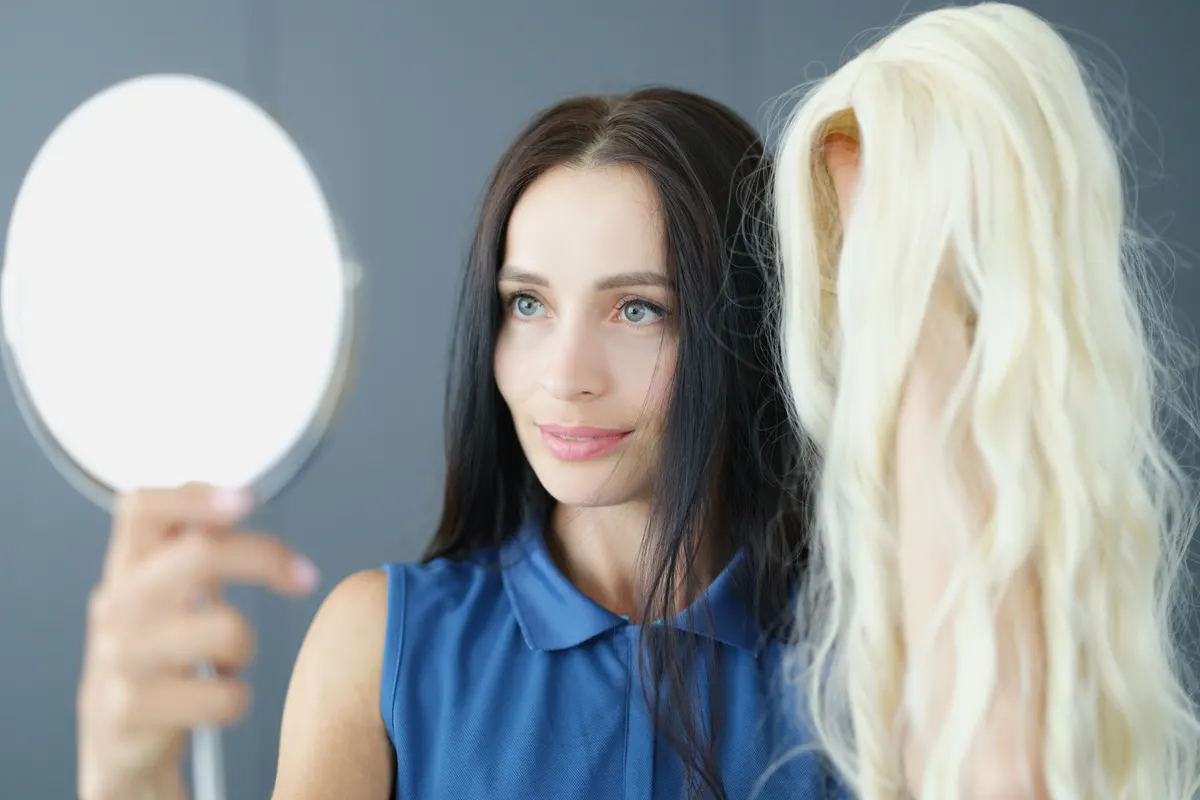
Hair extension & wig marketing agency: young brunette woman holding white wig in front of mirror.

A high-ticket purchase with no returns

Hair extensions and wigs are a high-ticket beauty purchase with the return policy of underwear. The shopper is choosing a colour code, a length in inches, a texture and a construction, human or synthetic, lace front or closure, a density, and once it is opened it cannot come back. That combination makes the product page, the variant structure and the proof of what it looks like installed the entire conversion story.

Demand arrives as a specification. A 613 blonde lace front, twenty-two inch body wave bundles, a glueless bob. The feed has to carry each colour, length and texture as a variant that Google can match to that query, with an image of the actual product rather than a stock render. Social is where the shopper sees the install and the wear, and where most of the trust is built.

Repeat purchase is not replenishment in the usual sense. Extensions are replaced every few months, wigs last longer, and the care products between purchases are where the routine revenue lives. We work with extension and wig stores that already sell online.

The extension and wig shopper does more research than almost any other beauty buyer because the price is high and the return window is effectively closed once the pack is opened. They watch install videos, read reviews with photos, check the shade against their own hair in daylight, and often message the store before buying. A store that answers those messages quickly, with a colour match from a photo, closes orders that would otherwise stall.

The variant matrix is the product. A single wig can come in several colours, several lengths, two or three textures and two cap constructions, and the shopper needs to pick all of them without confusion. Pages that show the actual unit in each colour, state the length as measured, list the density and the cap size, and show the lace on a model of a similar skin tone convert. Pages that use one photo and a dropdown of codes do not.

Price makes instalments matter. A checkout with pay-later or split payment options moves a hesitant shopper over the line on a purchase that runs to several hundred in any currency, and the option should be visible on the product page, not discovered at checkout.

Hygiene policy has to be stated plainly. No returns on opened hair is understood in this category, but it must be written where the shopper looks for it, with the pre-purchase help that makes it fair: colour matching, length guides and a clear photo of what arrives.

What we do for
hair extension & wig stores

Five channels, one plan.

Google Shopping and search

Variants that match the colour code and the inch count

Extension and wig search is a specification: 613 lace front wig 24 inch, 1B body wave bundles with closure, glueless bob wig. Shopping matches those queries against the title and the variant attributes, so titles carry colour code and name, length in inches, texture, construction and whether the hair is human or synthetic, in that order. Each colour and length is a separate offer grouped by item_group_id.

Search campaigns follow the same vocabulary. Ad groups by construction and texture, with colour and length as modifiers, and landing pages that show the exact unit. Copy states the two things the shopper is weighing before the click: whether it is human hair and what the delivery time is, because much of the category ships from overseas and the shopper has been burned by long waits.

Two ad-policy points are specific here. Images with heavy text overlays and collage-style photos are common in this category and get disapproved; product images must be clean. And any positioning around medical hair loss, such as wigs for alopecia or chemotherapy, has to avoid targeting people on that basis under Google's personalised advertising rules, even though the product is genuinely helpful for them; the page can speak to it, the audience targeting cannot.

Meta and TikTok

Install videos, wear tests and the daylight shade check

This category lives on video. The install from start to finish, the melt of the lace, the wear test at day one, day seven and day thirty, the shade held up in daylight against natural hair. Creators are chosen by hair texture and skin tone because the viewer is matching themselves against the model, and the lace colour has to be shown on a tone like theirs. Creative that shows the unit on a mannequin sells less than the same unit on a person.

Meta and TikTok policy is mostly about honesty in results and in the shopper's self-image. Ads should not imply the viewer's natural hair is inadequate, and before-and-after framing should be about the style, not about hiding a condition. Where the store serves people with medical hair loss, the creative can speak respectfully to that need but the targeting cannot select for it.

Retargeting is long in this category because the decision is slow. Someone who watched an install video sees the colour-match offer; someone who added to cart sees the instalment option and the delivery date; someone who bought sees the care kit and, months later, the next unit. Creators' comment sections are monitored, because that is where the how-does-it-hold-up questions get asked and answered.

Merchant Center and the feed

Colour as text, length as size, construction in product detail

The extension and wig feed has a variant problem that most templates were not built for. Colour must be a text value Google recognises, so 613 becomes a colour attribute of blonde with the code kept in the title; 1B becomes off black or natural black. Length in inches goes in the size attribute so that size filtering works. Texture and construction, body wave, straight, lace front, closure, glueless, go into product detail pairs and the title.

Material is where human versus synthetic is declared, and it is one of the attributes the shopper filters on. Density and cap size are product detail pairs. Each colour and length combination is its own offer under one item_group_id, with its own image showing that colour, not the hero colour reused.

Disapprovals cluster around images: text overlays, watermarks, collages and stock renders all fail, and photos of the unit on a model are fine as long as the product is clearly the subject. Bundles of hair sold in sets of three with a closure are submitted with is_bundle set and a title that says so. Shipping times must be accurate for stock that ships from overseas, because a promised week that turns into three is both a policy violation and a chargeback.

SEO and AI search

Length guides, colour charts, and how-long-does-it-last answers

The pages that rank in this category are guides. A length guide with photos of each inch count on a model of average height, a colour chart with codes shown in daylight, a construction explainer on lace front versus closure versus full lace, a density guide. These take the research queries and hand the shopper to the right product with the decision already made.

Shoppers ask AI assistants how long a lace front wig lasts, how to tell human hair from synthetic, what density looks natural, whether glueless wigs stay on, how to wash extensions, and whether extensions damage natural hair. Assistants answer from pages that state a direct answer and a range, and they are wary of pages that only sell. Writing the honest maintenance and lifespan answers, including what shortens them, is what earns the citation and the click.

Product pages carry colour code and name, length, texture, construction, material, density, cap size and the exact contents of the pack, with the care instructions in text. Structured data lists each variant as an offer with its colour and size. Reviews with photos are marked up where they are genuinely on the page.

Email and SMS

Care products between units, and the next unit when the last one is due

Repeat in this category is two flows. The first is the care cycle: the shampoo, conditioner, glue, remover and edge products that the customer uses between installs. Those run out on ordinary consumable timers and get reorder messages with a one-tap buy. A customer who bought a wig and never hears about the care kit buys it elsewhere.

The second is the next unit. Extensions worn continuously are replaced every few months; wigs last longer with care. The flow asks, at a sensible interval, how the unit is holding up, offers a care tip, and then presents the next unit in the same colour and length, or the new texture in that colour, when the replacement window opens. It is the highest-value email the store sends.

Pre-purchase email matters more here than in most niches. An abandoned cart on a high-ticket unit gets a message offering colour matching from a photo, the instalment option and the delivery date, because those are the three reasons the cart was abandoned. SMS carries shipping updates and the colour-match reply, which is where this shopper is waiting.

First three fixes

What the plan usually starts with for hair extension & wig stores.

  1. Rebuild variants so colour, length and construction are matchable

    We map every colour code to a recognised colour value, put length in size, put texture, construction, density and cap size in product detail, and give each combination its own offer and image.

  2. Put the colour-match service and instalments on the product page

    A photo-based colour match, the length guide and the split-payment option visible before checkout remove the three hesitations that stall these orders.

  3. Build the care reorder and next-unit flows

    Care consumables on their own timers, a check-in on the unit, and the replacement offered when the wear window opens, so the customer returns for both.

Questions from hair extension & wig stores

Keep the code in the title, because that is what the shopper types, and put a recognised colour word in the colour attribute: blonde for 613, off black or natural black for 1B, and so on for the rest of your chart. Google filters and matches on the colour attribute and does not understand the industry codes on their own. Each colour and length combination is its own offer under one item_group_id with its own image.

You can speak to them on your pages and in respectful creative, and you should if you serve them well. What you cannot do is target audiences on that basis. Google's personalised advertising rules and Meta's rules on personal attributes both stop ads being aimed at people because of a health condition. Build the page, write the guide, and let search intent and honest creative bring them to it.

This category has a habit of text overlays, price stickers, watermarks and collages of several units in one image, and all of those fail Google's image policy. Stock renders that do not show your actual product fail too. Use a clean photo of the real unit, one colour per image, on a plain background or on a model where the product is clearly the subject, and keep the promotional versions for social.

Yes, and show it on the product page rather than only at checkout. These are purchases that run to hundreds in any currency, the shopper is hesitant because there is no return once opened, and seeing the split price beside the full price moves a good share of them. Pair it with the colour-match offer and the delivery date, which are the other two things stalling the order.

Two ways, and most stores do neither. First, sell the care products between installs: shampoo, conditioner, glue, remover and edge control run out on ordinary timers and belong in a reorder flow. Second, know when the unit is due for replacement, check in before then, and offer the next unit in the same colour and length when the window opens. The customer who bought once was never asked to buy again.

Other beauty & skincare stores we work with

Send your hair extension & wig store store.

The plan says which lever is leaking and what to fix first, for your store as it is today.

Store, name, email and phone. A person replies from a real inbox. Privacy

Get your free growth plan