Skip to content

K-beauty marketing agency

Marketing for K-beauty retailers that sell online: brand-name search, a multi-brand feed with clean GTINs, authenticity proof, and sheet mask reorder flows.

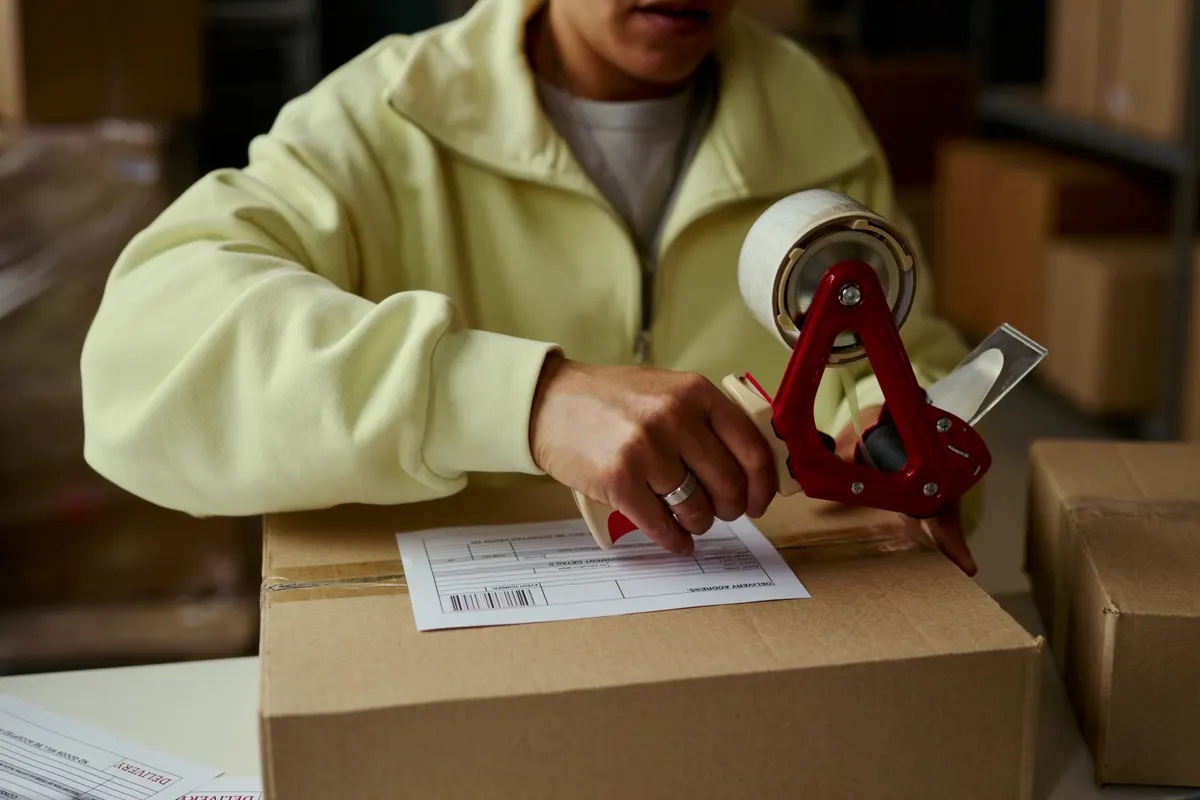
K-beauty marketing agency: adult Woman Sealing Shipping Box for E Commerce Order Fulfillment.

Trend velocity is the business

A K-beauty retailer sells other people's brands, and that changes every lever. Demand arrives as a brand and product name, often learnt from a video that morning, and the shopper wants to know three things: do you have it, is it authentic, and when will it arrive. The store that answers yes, here is the proof, and this week wins the order, and the one with the vaguest answer on any of those loses it.

The catalogue is wide and moves fast. Essences, ampoules, sheet masks, cushion compacts, sunscreens with PA ratings, new launches every month. The feed has to carry hundreds or thousands of offers with the right brand and GTIN on each, because Google compares identical products across sellers and shows the price. Trends set the calendar: a routine step goes viral and the search volume for that product category arrives within days.

Repeat purchase is strong because the product is consumable and the ritual is habitual. Sheet masks are single use. Sunscreen is daily. We work with K-beauty retailers that already sell online and want each of those levers tightened.

K-beauty shoppers are more informed than most beauty buyers and arrive with a specific product in mind. They have seen a routine on TikTok or a review on a forum, they know the brand, the product name and often the size, and they search for exactly that. Discovery happens off-site; the store's job is to be there when the query arrives, with stock.

Authenticity is the first hesitation. Because the same products are sold by many retailers and some sell counterfeit or expired stock, the shopper checks whether you are an authorised stockist, whether batch codes and expiry are visible, and what other buyers say about packaging and freshness. A retailer that shows sourcing plainly, prints the expiry window and photographs its own stock removes that hesitation in one scroll.

Delivery time is the second. Retailers shipping from Korea have longer lead times and customs questions; retailers with local stock can promise days. Whichever you are, say it on the product page and in the ad, because the shopper is comparing.

Price is the third, and Google makes it visible. When several sellers submit the same GTIN, Shopping shows them side by side. A retailer cannot always be cheapest, but it can be clearest on shipping cost, delivery date and freshness, which is where the comparison is actually decided.

The basket builds naturally. Someone buying a toner adds the essence that follows it and a sleeve of masks. A retailer that shows the routine order and the step each product fills sells the routine.
What we do for
K-beauty retailers

Five channels, one plan.

Google Shopping and search

Brand-segmented campaigns on a catalogue that updates often

K-beauty retail search is brand plus product name. The Shopping account is structured to match: one campaign per major brand, product groups by line, with bids set by margin and stock depth. A retailer that lumps a thousand offers into one campaign cannot see which brands are earning and cannot protect the ones that are.

Stock accuracy matters more than in any single-brand store. A viral product sells out in a day, and a Shopping ad still running on a sold-out offer is a paid click to an out-of-stock page. We connect the feed to live inventory with frequent updates and set availability rules so offers leave the auction the moment they are gone.

Search ads follow the trend calendar. When a routine step spikes, a search campaign on that category, pointing at a collection page that lists the products in stock and the delivery date, catches the demand that Shopping alone misses. Ad copy states the two things this shopper is comparing on: shipping origin and delivery time. Authorised stockist can appear in the copy where it is true and provable.

Meta and TikTok

Routine videos, unboxings and the freshness proof

K-beauty is a video category, and the retailer's advantage on TikTok and Meta is range. Creative that walks through a full routine with products from several brands, in the right order, does what a single-brand video cannot. Unboxing creative showing the actual parcel, the packaging, the batch code and the expiry is both content and authenticity proof.

Trends drive the calendar. When a technique or texture goes viral, the retailer that posts a stocked-products version within days takes the search that follows. We keep a short list of products by trend and a creative template ready so response is quick.

Policy is simpler than for treatment brands because the retailer is describing products, not making claims for them. Still, brand claims carried over from packaging should not be repeated as the retailer's own claims in ad copy, and sunscreen and blemish products fall under the same health-claim rules as anywhere else. Audiences are built on product interest and past purchase category, with retargeting per routine step: viewed toners, show the essences.

Merchant Center and the feed

Right brand, right GTIN, right expiry on every offer

A multi-brand K-beauty feed lives or dies on identifiers. Every offer needs the manufacturer's GTIN and the brand exactly as the manufacturer registers it, because Google groups identical products across sellers by GTIN and disapproves offers where the GTIN and brand disagree. Transliterated Korean brand names cause most of the mismatches; we standardise brand values to the registered Latin name and keep the local name in the description.

Retailers also carry expiry risk. The expiration_date attribute exists for products with a shelf life and is worth using on close-dated stock, and freshness statements belong in the description. Multipacks of sheet masks are submitted with the multipack attribute rather than as a separate product with a made-up identifier.

Price competitiveness reporting in Merchant Center shows where your price sits against other sellers of the same GTIN; we use it to decide which products to bid on and which to let go. Shipping settings must be accurate for the origin: a feed that promises three-day delivery on stock that ships from Korea gets both disapprovals and refunds. Images are the manufacturer's clean product shots where the licence allows, otherwise your own on a plain background.

SEO and AI search

Brand pages, routine guides and the is-it-legit question

The pages that earn K-beauty search for a retailer are brand collection pages and routine guides. A brand page that lists every product you stock, with the line names as the manufacturer uses them, ranks for the brand query. A routine guide that explains the steps and links each to the products in stock ranks for the how-to query and feeds the basket.

Shoppers ask AI assistants two kinds of question in this category. The first is product advice: which Korean sunscreen has no white cast, what is the difference between an essence and a serum, which sheet mask for dry skin. The second is about the retailer: is this store legit, does it sell authentic products, how long does shipping take. Assistants answer the second from what your own pages state, so an authenticity page that names your sourcing, shows batch and expiry practice and links to your policies is worth writing plainly.

Product pages carry the manufacturer's product name, the local name, the size and the ingredient list in text, with the PA and SPF rating stated for sunscreens. Structured data uses the manufacturer's brand and GTIN so the product is recognised as the same item other pages describe.

Email and SMS

Mask reorders in sleeves, sunscreen monthly, new arrivals by brand

The reorder calendar for a K-beauty retailer is set by category. Sheet masks used a few times a week are gone in a couple of weeks; the reorder message offers the sleeve of ten and a mixed pack. Sunscreen used daily on the face runs down in about a month or two depending on size; the reminder lands before that. Essences and toners in large bottles run longer and get a later message.

New arrivals are the second engine. This audience wants to know when a launch lands, and a brand-filtered new-arrivals email, sent only to people who have bought or browsed that brand, is opened. Restock alerts on sold-out viral products are the highest-intent message a K-beauty retailer can send, and they should be automated from inventory.

Routine flows do the basket work: after a first order of one step, a short sequence explains the next step and offers the product for it. SMS carries restock alerts and delivery updates, which this shopper wants, and nothing else.

First three fixes

What the plan usually starts with for K-beauty retailers.

  1. Standardise brand and GTIN across the catalogue

    We reconcile every offer's brand to the manufacturer's registered name and confirm the GTIN matches, which clears the mismatch disapprovals that hit multi-brand feeds and puts your offers back into price comparison.

  2. Connect stock to availability with frequent updates

    Viral products sell out fast. We link inventory to the feed with frequent refreshes and rules that remove offers the moment they hit zero, so ads stop paying for out-of-stock clicks.

  3. Write the authenticity page and put delivery dates on products

    One plain page on sourcing, batch codes and expiry practice, and a delivery estimate on every product, answers the two questions that stall K-beauty orders.

Questions from K-beauty retailers

Because you and they submitted the same GTIN, and Shopping groups identical products so the shopper can compare. You cannot switch that off and you cannot always be cheapest. What you can do is choose which products to bid on by margin, using the price competitiveness report, and make the things the comparison does not show obvious on your page: shipping cost, delivery date, freshness and authorised sourcing. Those decide a lot of K-beauty orders.

Almost always transliteration. The manufacturer registers its brand under one Latin spelling, and your catalogue uses a different one, or the Korean name, or a line name in place of the brand. When the brand value does not match what Google holds for that GTIN, the offer is flagged. Standardise every brand value to the registered name and keep any alternative spelling in the description, not the brand field.

State your sourcing plainly on one page: which brands you are an authorised stockist for, where the stock ships from, how you check batch codes and expiry, and what a shopper can do if they doubt a product. Photograph your own stock rather than using only manufacturer images. Show the expiry window on close-dated items. Shoppers and AI assistants both look for that page when they ask whether a store is legitimate.

Take the offer out of the auction immediately through inventory-linked availability, so you stop paying for clicks to an empty page. Turn on a restock alert on the product page and send it automatically when stock lands. Point the search demand at a collection page of what you do have in that category with the delivery date. The retailer that handles the sell-out well keeps the customer for the restock.

Yes, because they run out faster than anything else you sell. A customer using masks a few times a week is through a small pack in a fortnight. The flow should land before that with the sleeve of ten, a mixed pack of the masks they bought and neighbours, and a subscription option once they have reordered twice. Treating masks on the same timer as a toner misses the reorder entirely.

Other beauty & skincare stores we work with

Send your K-beauty retailer store.

The plan says which lever is leaking and what to fix first, for your store as it is today.

Store, name, email and phone. A person replies from a real inbox. Privacy

Get your free growth plan