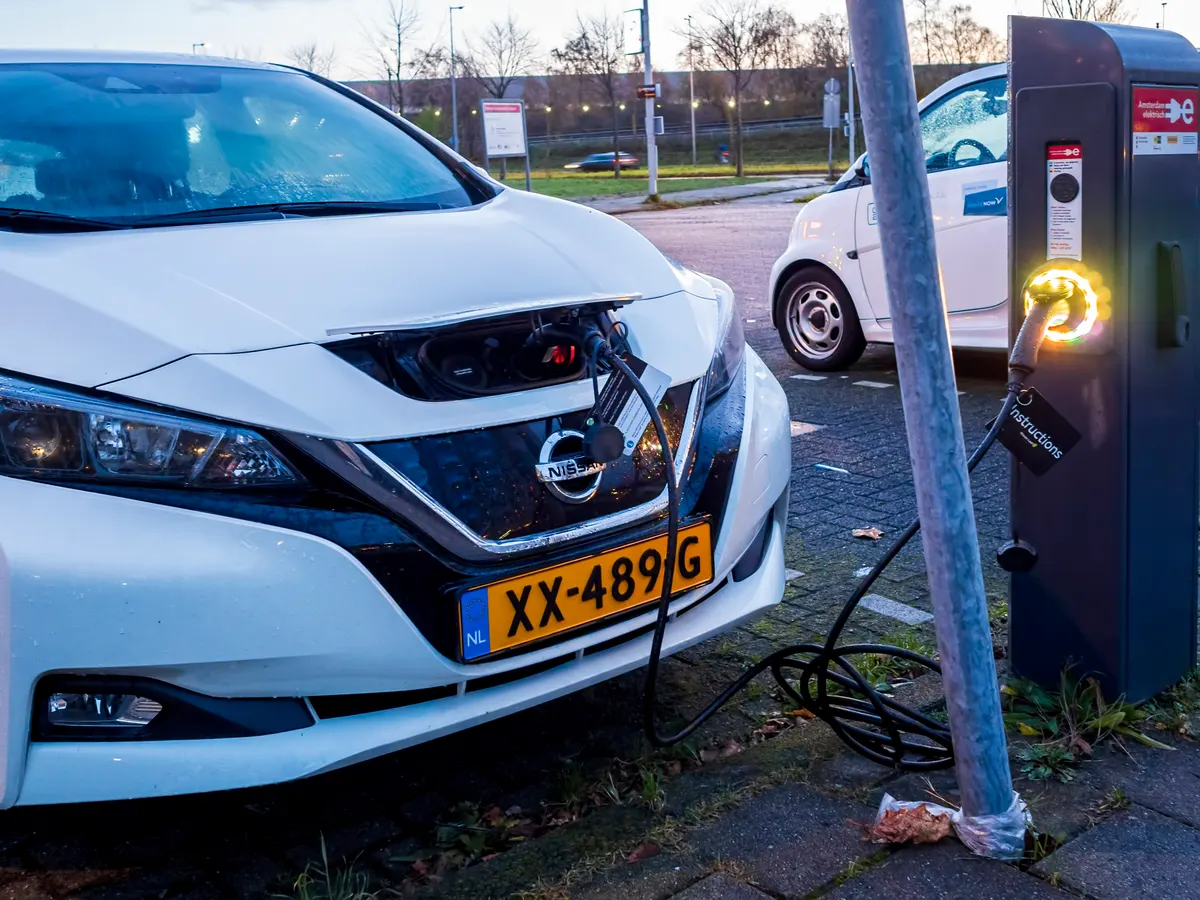
An EV charger is bought by someone who has just been handed a problem they did not choose. A car is arriving in two weeks and the supplied cable takes all night on a normal socket. They do not know their connector standard, their consumer unit has no spare capacity that they know of, and they have no idea whether they need an electrician or a plug.
That is the whole marketing challenge. The product itself is not complicated to explain, but it sits behind three gates the shopper cannot open alone: does it fit my car, will my electrical panel take it, and who installs it. A store that opens those gates on the page converts a research visit into an order. A store that leaves them shut sends the shopper back to search, where they usually end up buying through whoever their electrician suggests.
We work with charger brands and specialist retailers that already sell online, covering wall units, portable and travel chargers, cables, adapters and pedestal mounts. The work is the four numbers behind revenue, applied to a category with a high ticket, an installation step, incentive paperwork and a buying window that opens the day the car is ordered. The written growth plan is free and the fee after it is flat and monthly.
The sequence is nearly always the same. The car is ordered. The dealer mentions home charging. The buyer searches for their car model plus home charger and lands in a category full of amperage figures, connector names and installation warnings.
First they establish the connector. In North America they are working out whether they need a plug that matches their vehicle or an adapter, and in Europe they are checking their socket type. Then the electrical question: how many amps the unit draws, whether the panel has room, whether a load management feature avoids an expensive upgrade, and whether it can be plugged into an existing outlet or must be hardwired.
Then the practical ones. Cable length, because the parking space is rarely where the panel is. Whether it can live outdoors in the weather. Whether it is listed and certified for their market. Whether it schedules charging for the cheap overnight window on their tariff, and whether the app is required for that or optional.
Finally the install. Most buyers do not have an electrician and do not want to find one. If your page names what to ask for, gives the specification an electrician needs, and offers an install partner or a quote step, the order tends to happen there. If it does not, the electrician chooses the product instead of the customer.