Skip to content

Smart lighting marketing agency

Growth for smart bulb, strip and switch brands online: fitting and protocol fit, hub or no hub, EU energy label feed data and room by room expansion.

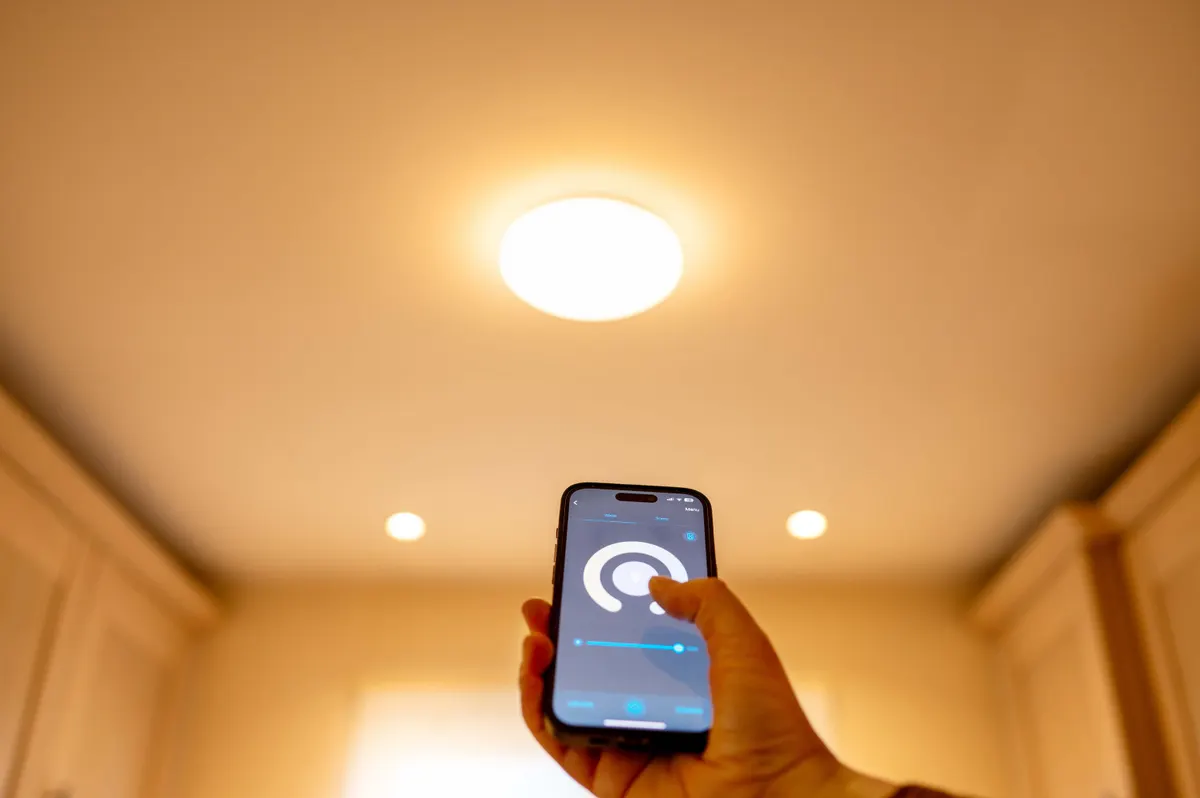
Smart lighting marketing agency: woman controlling smart lighting at home using smartphone. Concept: smart home, control lighting from smartphone.

How people buy smart lighting

Smart lighting is sold to a shopper standing under a light fitting with a phone in their hand, trying to work out three things at once: whether your bulb screws or bayonets into that fitting, whether it talks to the assistant they already use, and whether they need a hub or can start with one bulb and nothing else.

Get those three answers in front of them and the category sells itself, because the product demonstrates well and the first purchase is small. Miss any one of them and you get the two failure modes that define this niche: a return because the base did not fit, and a support ticket because the bulb will not join the network the customer expected it to.

The second thing that shapes the work is what happens after the first order. Nobody rewires their whole house at once. They buy one bulb or a two-pack for the living room, live with it for a few weeks, and then the buying starts properly: the bedroom, the hallway, a strip behind the television, outdoor lights for the garden. Smart lighting has one of the cleanest expansion patterns in consumer electronics, and most brands never build the flow that follows it.

We work with brands and specialist stores already selling online. The growth plan is free and written. The work after it is a base fee plus growth share.

The first purchase is usually curiosity with a practical excuse. Someone wants the hallway light to come on before they get home, or wants to stop getting out of bed to switch off a lamp, or has seen colour lighting behind a television and wants that. The budget in their head is small and the risk they will accept is low.

So they check the fitting first. Screw or bayonet, and which size, and whether it is a spotlight fitting or a candle. Getting this wrong is the most common return in the category and the shopper knows it, so they look for the base type before they look at the features.

Next they check the ecosystem. They already have an assistant on their phone or a speaker in the kitchen, and they want to know your product works with it. This is where the hub question lands: whether the bulb connects on its own or needs a bridge, and whether that changes as they add more lights.

Then come the light quality questions. How bright, in lumens rather than an old wattage habit. What range of white tones. Whether it dims smoothly on the existing dimmer switch or whether it flickers. Whether the colour is a party feature or something they will actually use.

After that they buy one, and the real business begins when they want the second room.
Where smart lighting brands
lose revenue

The four levers, in this niche.

Visitors

Visitors: be found by fitting, room and ecosystem

Searches in this category name a fitting, a room or an assistant, rarely a brand. People look for a smart bulb in a specific base size, a strip for behind a television, outdoor lights for a garden, or lighting that works with the platform they already own. We build campaigns around those three entry points, keep hub-required products in ad groups separate from standalone ones, and prepare seasonal pushes for the dark months and the festive weeks when the whole category climbs.

Conversion rate

Conversion: settle fitting, ecosystem and hub in one block

Three answers in a fixed position on every product page do most of the work: the base or fitting with a photograph of it, the platforms it works with named plainly, and whether a hub is required now or later. Under that goes the light detail buyers actually compare, brightness in lumens, the white tone range, the colour rendering and dimmer behaviour. A short fitting identifier that shows the common base types side by side removes the largest single cause of returns.

Average order

Order value: sell the room, not the bulb

A single bulb is a small order that struggles to carry its own parcel. The natural unit is a room: two or three bulbs for the ceiling fitting, a lamp bulb, and where relevant the switch or hub that makes the room work as one. We build room bundles and multipacks as the default choice on the page, price them so the multipack is clearly the sensible option, and set the shipping threshold where a room kit clears it rather than where a single bulb sits short.

Repeat purchases

Repeat purchases: the next room and the next format

Bulbs last years, so repeat does not come from replacement. It comes from expansion, and expansion follows a predictable order: living room, then bedroom, then hallway or landing, then a strip or a lamp, then outdoors. We tag each order with the room and the format bought, then time the next-room message to the weeks after the first setup while enthusiasm is high. Existing customers are also the best audience for a new format launch.

What we do for
smart lighting brands

Five channels, one plan.

Google Shopping and search

Google Shopping and search ads organised by fitting and format

Fitting is the most useful campaign split in this category because it matches how people search and it protects you from the wrong-base return. A campaign per base type, with the base in every title, means a shopper searching for a specific fitting sees a listing that already answers their first question.

Formats then split again. Bulbs, strips, panels, outdoor lights, switches and hubs have different tickets and different repeat behaviour, and mixing them lets the cheapest item absorb the budget. Multipacks deserve their own group because they carry the basket.

Search ads take the queries Shopping matches poorly, such as whether a bulb works with a particular assistant or whether a hub is needed, and land on a filtered collection with the answer above the products. We schedule extra budget into the darker months and the festive weeks, which is when this category's demand actually sits.

Meta and TikTok

Meta and TikTok ads where the product is the demonstration

Smart lighting is one of the easiest categories to demonstrate and one of the most commonly demonstrated badly. A colour cycling montage sells nothing to a person who wants their hallway to come on at dusk. The clips that convert show a real room changing: the light warming in the evening, a strip lifting a television wall, an outdoor set switching on as it gets dark, a lamp coming on to a voice command.

We run separate ad sets for the first-time buyer, who needs the fitting and hub questions answered in the first three seconds, and the existing owner, who is being sold the next room or a new format.

TikTok rewards the install clip, since a bulb that screws in and pairs in a minute is a good story. Retargeting is short and offers the multipack to anyone who viewed a single unit, since that is where the order value lives.

Merchant Center and the feed

Merchant Center for lighting, where the energy label matters

Lighting has feed requirements most electronics categories do not. In several European markets Google expects energy efficiency information for lighting products, so those attributes and the associated label and product information sheet need to be in place before a campaign runs there, or the products will not serve.

Beyond that, the multipack attribute has to carry the true count so a four-pack is not priced as one bulb, and unit pricing helps where you sell the same bulb in several pack sizes. Base type, brightness in lumens and the colour temperature range belong in the title and in product highlights, since these are the filters a shopper applies.

Colour and pack-size variants share an item group ID. Where a product needs a hub, that fact belongs in the highlights rather than buried in a description, because a customer who discovers it after delivery becomes a return and a poor review at the same time.

SEO and AI search

SEO and AI search for 'will this bulb work with what I have'

The questions are consistent and easy to answer, which is exactly why the pages that answer them get cited: which base does my light fitting use, do I need a hub, what is the difference between the wireless protocols, will these work with the assistant I already use, why does my smart bulb flicker on a dimmer switch, do smart switches need a neutral wire, how many lumens replaces the old bulb I had, can I use these outside in the rain.

We write those answers onto the site as product page sections and as standalone reference pages. Each product gets a compatibility block, a fitting note, a brightness comparison in ordinary terms and a plain statement about dimmer and hub behaviour.

Collection pages are organised by room and by fitting rather than by internal range names, because room is how people describe the job to themselves and to an assistant.

Email and SMS

Email and SMS built around the next room

The single most valuable message in smart lighting is sent a few weeks after the first order and asks which room is next. By then the customer has lived with the product, the setup worked or it did not, and their appetite for expansion is at its highest point.

Around that sits a setup flow, because a customer who fails to pair the first bulb never buys a second. Day one covers pairing and the app, with the hub position stated again. A few days later comes the automation that makes the product genuinely useful, such as a sunset schedule or a wake routine.

Then the expansion sequence follows the pattern, moving through rooms and formats, with a multipack offer rather than a single unit each time. Launches of new formats go to existing owners first. SMS is used sparingly, mainly for restock alerts and the short festive delivery cut-off.

First three fixes

What the plan usually starts with for smart lighting brands.

  1. Returns are dominated by the wrong base or fitting

    We put the base type in every title and every feed entry, add a photograph of the actual base on each listing, and build a short fitting identifier on the collection page that shows the common types side by side. It is a small change that removes the most expensive return reason in the category.

  2. The hub requirement is discovered after delivery

    A customer who unboxes a bulb and finds it needs a bridge they do not own leaves a poor review and a refund request. We state the hub position in the title, the feed highlights and the top of the page, and offer the starter kit that includes the hub as the default path for anyone buying their first product.

  3. Average order is one bulb and the parcel eats the margin

    Single-unit listings dominate most smart lighting catalogues, and they are the least profitable thing you sell. We make multipacks and room kits the default choice on the page and in Shopping, set thresholds a room kit reaches, and use the single bulb as a trial product judged on the second order it produces.

Questions from smart lighting brands

Lighting carries energy labelling obligations in parts of Europe, and Google expects the corresponding attributes and label information in the feed for those markets. If they are missing or incorrect, the products can stop serving there while working fine elsewhere. We check that before spending in those markets rather than after.

From more rooms, not from replacements. The pattern is reliable: the first purchase is a living room or a lamp, then the bedroom, then a hallway, then a strip or an outdoor set. We tag orders by room and format and build the follow-up around that sequence, which also makes existing customers the best audience for a new product format.

You can state factual compatibility, which is what shoppers are looking for, but the platform owners have their own naming and badge rules and some require certification before you use their marks. We keep compatibility statements factual and plainly worded, and keep brand marks within whatever programme terms you have actually signed.

Yes. A switch involves the wiring in the wall, and in many homes the deciding question is whether there is a neutral wire at the back box. That is a different conversation from screwing in a bulb, so switches need their own landing pages, their own pre-purchase checks and honest guidance on when an electrician is needed.

Demand follows daylight and gifting. The darker months lift the whole category, the festive weeks bring gift buyers who need delivery dates and starter kits, and there is a smaller lift when people move house or redecorate. We plan budget around those and use the long light months to build product content and expansion flows.

Other electronics & gadgets stores we work with

Send your smart lighting brand store.

The plan says which lever is leaking and what to fix first, for your store as it is today.

Store, name, email and phone. A person replies from a real inbox. Privacy

Get your free growth plan