Skip to content

Phone accessory marketing agency

Growth for phone case, charger and cable brands: model-year launches, per-model variants in the feed, compatibility wording and low-ticket bundles.

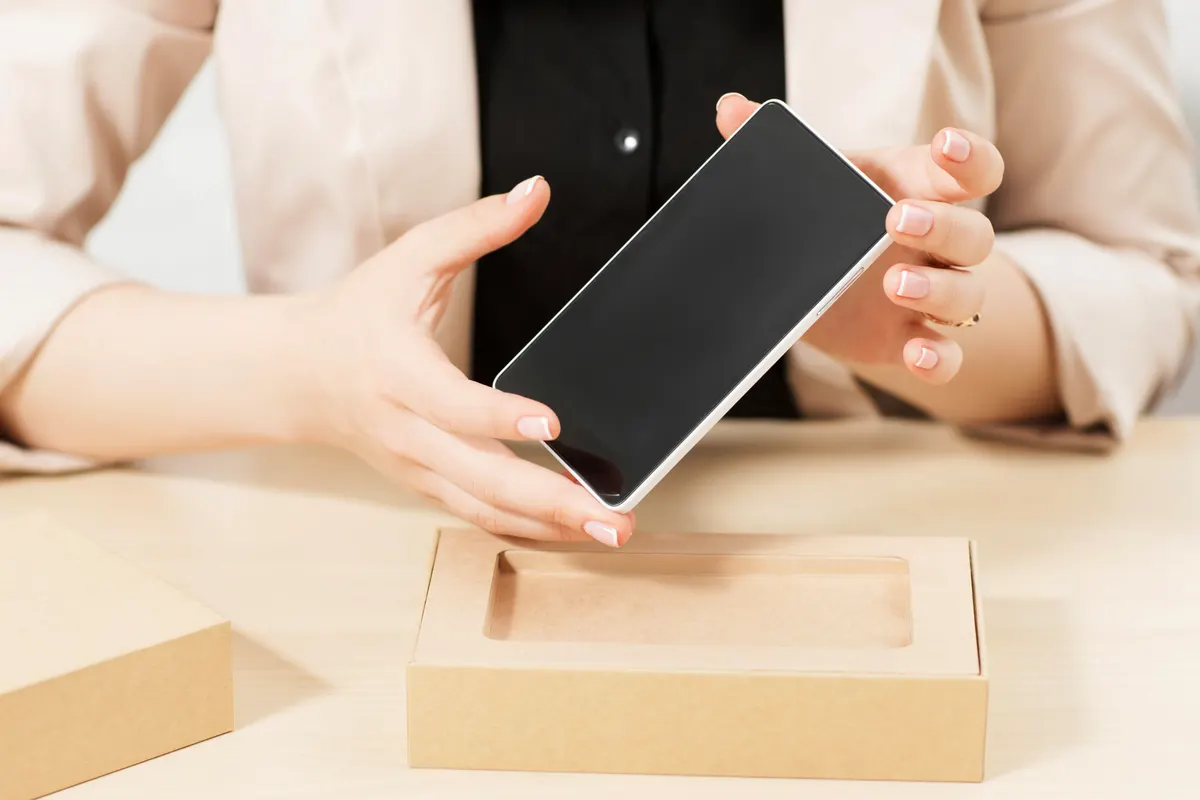
Phone accessory marketing agency: female hands holding new smartphone.

How people buy phone accessories

A phone accessory brand lives on a calendar it does not control. New iPhones arrive in September, the main Samsung Galaxy line in the early part of the year, Pixels in the autumn, and each launch resets demand: the shopper wants a case for the phone they are about to unbox, and they want it to arrive on the same day the phone does.

We work with brands selling cases, screen protectors, chargers, cables, magnetic mounts, wallets and grips. The work is specific to this niche: one design becomes dozens of SKUs across phone models, every listing needs the model in its title and the right item group in the feed, the ticket is small so the bundle decides your margin, and the wrong-model order is the most common return.

We write you a free growth plan first. If you want us to do the work, it is a base fee plus growth share, month to month.

The shopper searches with the phone model in the query: 'iPhone 16 Pro case clear', 'Galaxy S25 Ultra screen protector', 'USB-C to USB-C cable 2m'. They are not loyal to an accessory brand yet; they are loyal to their phone and they want something that fits it. If your listing does not name the model, you are invisible to them.

On a new phone launch, the buying window is short and intense. The phone is preordered, the case is bought the same week, and if your store does not have the new model's dimensions in the product yet, the sale goes to whoever does. Between launches, the pattern is replacement: a cracked screen protector, a frayed cable, a second charger for the office, a mount for a new car.

Price matters because the ticket is low and the marketplaces are full of near-identical products. What tips a shopper to a brand is proof that it fits and works: photos on the exact model, a clear statement on magnetic charging compatibility, wireless charging through the case, and reviews from people with the same phone.

After the purchase, the repeat comes from two places: consumable accessories like cables and protectors that wear out, and the next phone, which needs a new case. A brand that knows which phone a customer owns can time both.
Where phone accessory brands
lose revenue

The four levers, in this niche.

Visitors

Visitors: be in the results for every phone model you fit, on launch day

Traffic follows the phone model in the query. We make sure every SKU carries the model in its title and feed data, build collection pages per phone model rather than per accessory type, and prepare the new-model SKUs before launch so the ads and pages are live when the preorders open. Launch week gets its own budget and its own creative.

Conversion rate

Conversion: answer 'does it fit my phone' before the shopper asks

The purchase is decided by a fit question. We add a phone model selector to collection and product pages, put the compatibility statement above the fold, show photos on the exact model, and state plainly whether magnetic and wireless charging work through the product. Reviews get tagged by phone model so a shopper sees people with the same device.

Average order

Order value: pair the case with the protector and the cable

A single case rarely clears your free shipping threshold with a margin left. We build the model-specific bundle, case plus screen protector plus charging accessory, offer a second cable at a lower add-on price in the cart, and set the shipping threshold where the bundle lands just above it.

Repeat purchases

Repeat purchases: know which phone they own and when they will upgrade

Every order tells you the customer's phone model. We store it, send replacement offers for consumable accessories on a realistic cycle, and run a new-phone campaign to the right owners when a launch happens. A person who bought a case for one model is your best prospect for a case on the next one.

What we do for
phone accessory brands

Five channels, one plan.

Google Shopping and search

Google Shopping and search ads by phone model

Shopping campaigns are structured by phone model family, not by accessory type, because that is how the query is written and how the margin varies. Current-generation flagships get the most budget during and after launch; older models keep a smaller always-on campaign because replacement demand continues for years. Product titles lead with the accessory type and the phone model so the ad matches the search, and the feed refreshes when the new models land so they are eligible on preorder day.

On search, the money is in exact phrases that name the model plus the accessory. We keep broad terms out because 'phone case' alone pulls every brand and every device. Negative keywords stop your budget going to models you do not make for. When a phone launches, a temporary campaign on the new model name with launch-week messaging catches the surge, and we review it daily because the cost per click on those terms rises sharply for a fortnight and then settles.

Meta and TikTok

Meta and TikTok ads for cases, chargers and mounts

Social advertising for phone accessories works when the video shows the thing that a photo cannot: the drop test, the magnet snapping on, the cable bending without fraying, the case going on and off. Short, real and repeated. We build creative per product line and target by phone ownership signals where the platform offers them, plus lookalikes from your existing buyers of that model.

Catalogue ads retarget product viewers with the exact SKU they looked at, which matters because the shopper chose a colour and a model and will not want to see a different one. Around a launch, creative that says 'ready for the new model' does the job; we do not wait for the phone to ship. On TikTok, the accessory that solves an annoying problem, a wallet that stays attached, a cable that does not tangle, is the content that spreads. We keep trademark use descriptive, 'for iPhone' and 'compatible with', and avoid anything that implies the phone maker endorses the product.

Merchant Center and the feed

Merchant Center for accessories that fit many phones

One case design becomes a separate product for each phone model, and each one needs its own GTIN, its own title with the model name and its own image showing that model. Colours and models share an item group ID so Google understands the family. The brand field carries your brand, never the phone maker's, because that mismatch is a common cause of disapproval in this category.

If a product genuinely has no GTIN, set identifier exists to false rather than inventing one or reusing another SKU's code, because Google validates GTINs and rejects invalid ones. Include the material, the compatibility note and the charging compatibility in product highlights, and use custom labels to mark current-generation models so campaigns can prioritise them. When a model launches, the new SKUs go into the feed with in-stock or preorder availability and an availability date; a case listed as out of stock on launch week wastes the search demand you have been waiting for.

SEO and AI search

SEO and AI search for 'which case fits my phone'

Shoppers ask assistants practical fit questions: whether a case blocks wireless charging, whether a magnetic wallet works with a particular phone, what the difference is between two screen protector types, which cable charges a laptop and a phone. Pages that answer those in plain text, on your domain, are the ones that get cited. We build a collection page per phone model with real copy about that model's camera bump, button layout and charging, product pages with a structured compatibility list, and a short buying guide per accessory type.

Model-name pages also catch the launch search demand months later, when the phone maker's own marketing has moved on. Reviews with the phone model recorded add the language shoppers use. We keep image alt text and file names honest about model and colour, because image search sends real traffic for accessories in a way it does not for most categories.

Email and SMS

Email and SMS around wear-out and the next phone

The email programme runs on two clocks. The first is consumable wear: screen protectors get scratched, cables fray, car mounts lose their grip. A replacement email a sensible interval after purchase, with the same model preselected, converts because the need is real and the choice is already made. The second clock is the phone launch. When a new model arrives, owners of the previous model get a campaign for cases on the new one, timed to the preorder window, and owners of older models get a quieter reminder.

Post-purchase flows cover fitting the screen protector, which is the most common source of returns and one-star reviews, with a short video and the offer of a replacement if the first application goes wrong. SMS is useful for launch-day stock alerts and restocks of popular colours, and not much else. Every email records the phone model the customer owns so segmentation improves with each send.

First three fixes

What the plan usually starts with for phone accessory brands.

  1. New phone models are missing from the store for the first two weeks

    We set up the launch checklist with your product team: SKUs, GTINs, model-specific images and feed entries created before the announcement, so the pages and ads go live on preorder day rather than after the demand has passed.

  2. Returns are dominated by 'ordered the wrong model'

    We add a model selector to every collection and product page, rename products so the model is unmistakable, tag reviews by device, and add an order-confirmation step that repeats the model the customer chose so mistakes get caught before shipping.

  3. Average order is one case and the shipping threshold eats the margin

    We build model-matched bundles, add a low-friction cart add-on for a protector or cable, and set the free shipping threshold at a point that the bundle clears and a single case does not.

Questions from phone accessory brands

Descriptive use, such as 'case for iPhone 16 Pro' or 'compatible with Galaxy S25', is how the whole category is listed and is generally permitted under the ad platforms' trademark policies. What causes trouble is implying endorsement, using the maker's logo, or putting their name in your brand field. We keep wording descriptive and consistent across the feed, the page and the ad.

By generating the feed from structured data rather than by hand: one parent product per design, child SKUs per model and colour, an item group ID that ties them together, and a title formula in the same order every time. Custom labels then mark each SKU's generation so campaigns can budget accordingly.

That is a range decision as much as a marketing one, but data can inform it. Demand for older and mid-range models continues for years with less competition, while flagships have the biggest launch spike and the most rivals. We show you demand and cost per click by model so you can choose where to add SKUs.

Because a photo cannot show whether the magnet array is present or whether wireless charging works through the case. State it in the title, in a compatibility line above the fold and in the feed's product highlights. One edit removes a support question, a return reason and a checkout doubt.

Through the consumables around it and the next phone. Cables, chargers and screen protectors wear out on a predictable cycle, so replacement emails work. When a new phone launches, the customers who bought a case for the previous generation are the first to want one for the new model, and your emails can reach them before any ad does.

Other electronics & gadgets stores we work with

Send your phone accessory brand store.

The plan says which lever is leaking and what to fix first, for your store as it is today.

Store, name, email and phone. A person replies from a real inbox. Privacy

Get your free growth plan