Skip to content

Chocolate & confectionery marketing agency

Growth plans for chocolate and sweet brands: gifting seasons with hard cut-offs, warm weather shipping answers, corporate orders and repeat gift reminders.

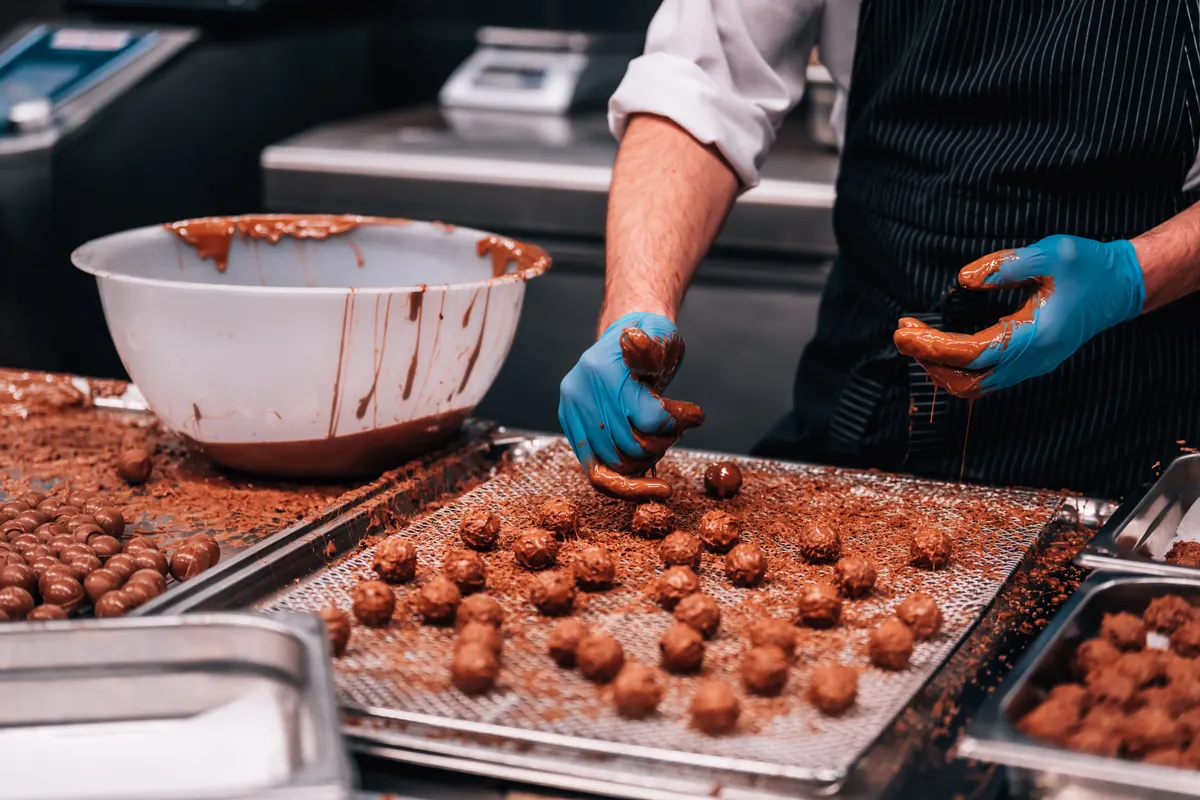
Chocolate & confectionery marketing agency: chocolatier crafting truffles in a kitchen.

Most of these orders are bought for someone else

Chocolate is sold on a calendar and shipped against the weather. Four or five dates carry most of the year, each with a delivery deadline that cannot move, and between them sits a summer where a truck parked in the sun can turn a box of truffles into a refund. That combination makes chocolate one of the few food categories where the operations question and the marketing question are the same question, because what you can promise about arrival is what you are allowed to advertise.

We work with chocolate and confectionery brands already selling online, from bean-to-bar makers with single-origin ranges to boxed chocolate, caramels, fudge and seasonal novelty. The plan covers the four numbers behind your revenue, and for most makers in this category the largest of them is repeat purchases, because a gift buyer who is never reminded next year is a customer you paid for once.

The person paying is usually not the person eating, and that changes every page on the site. A gift buyer needs to know what the box looks like when it is opened, whether a message can be included, whether the price appears on the packing slip, and above all whether it will arrive by a particular day. They are far less interested in cocoa percentage than the maker expects, and far more interested in the arrival date than any product photograph suggests.

Self-purchase behaves differently. Someone buying a bar for themselves reads the origin, the cocoa content, the inclusion list and whether it is dairy free or vegan, and they buy a few bars rather than one because a single bar cannot carry postage. Those two shoppers need different landing pages, different ad copy and different collections, and stores that serve them from one generic shop page underperform on both.

The second question in both cases is heat. A shopper who has once received melted chocolate will look for your hot weather policy before ordering, so stating how you pack, which months you add cold packs, and which days you dispatch does more for conversion in July than a discount does.

Where chocolate & confectionery brands
lose revenue

The four levers, in this niche.

Visitors

Occasion searches, not chocolate searches

The volume in this category sits in occasion and recipient phrases: valentines chocolate gift, chocolate box for mum, corporate chocolate gifts, easter chocolate delivery. Those terms peak on a known calendar and vanish afterwards, so the account is built as a set of seasonal campaigns that switch on weeks before the date and switch off the hour the shipping cut-off passes. Origin and cocoa terms carry the rest of the year for the self-purchase audience.

Conversion rate

Arrival date and the melt answer on the page

Two things stop a gift buyer: not knowing when it lands and not trusting how it travels. Put a delivery date estimate on the product page rather than only in the cart, run a visible countdown to the cut-off in the weeks before each occasion, and describe the hot weather packing method in plain words. A gift message field shown before checkout, along with the note that no prices are included in the parcel, removes the last hesitation.

Average order

Multiple recipients rather than a bigger box

The way a chocolate order grows is rarely by selling a larger box. It grows by handling the second and third recipient in the same session, since gift buyers usually have a list. A repeat-this-order-to-another-address flow, a set of three smaller boxes priced as a bundle, and a corporate quantity path for orders past a certain count all lift the total. Add-ons that survive transit, such as a card or a tin, work better than fragile extras.

Repeat purchases

The reminder a year later

Chocolate repeat buying is driven by the calendar rather than by an empty cupboard. Someone who sent a box for an anniversary in March will send one again next March if you ask, and will forget you entirely if you do not. Storing the occasion and the recipient at checkout, then writing to that buyer a few weeks before the same date next year with the same address ready to reuse, is the single most valuable flow a confectionery store can build.

What we do for
chocolate & confectionery brands

Five channels, one plan.

Google Shopping and search

Seasonal Shopping campaigns with hard end dates

Chocolate demand arrives in waves and the ad account has to move with it. Campaigns for each occasion are built and warmed up before the search volume climbs, budgets ramp through the fortnight before the date, and everything pauses the moment the courier cut-off passes, because clicks bought after that point produce orders that cannot arrive on time.

Gift terms and self-purchase terms are separated. A search for a gift box goes to a gift collection with the message field and the delivery promise visible, while a search for a single-origin dark bar goes to the bar. Sending gift traffic to a product grid of individual bars is one of the most common ways money is wasted in this niche.

Summer needs its own plan. In hot months the feed can be trimmed to the products that travel well, shipping settings can reflect the faster service that heat-sensitive orders require, and campaigns can be geographically dialled down where temperatures make next-day delivery the only responsible option.

Meta and TikTok

Meta and TikTok creative built on the open and the snap

Two shots sell chocolate on video: the box being opened for the first time and the bar being snapped. Both are short, both are unscripted, and both answer what the buyer wants to know, which is what the recipient will see and hear. Enrobing, tempering and hand-piping footage from the kitchen does the rest, because process is the proof that a small maker is not repackaging someone else's work.

On Meta the seasons run on a schedule of their own. Gift audiences are built well before each occasion from last year's gift buyers, from people who viewed gift collections, and from lookalikes seeded on gift orders rather than on bar purchases, since a bar buyer and a gift buyer behave nothing alike.

TikTok rewards makers who show the room the chocolate is made in. Behind-the-counter clips, seasonal shape reveals and packing days convert when the landing page holds a gift set with a stated delivery date rather than a general shop.

Merchant Center and the feed

Feed work for boxes, bundles and cut-off dates

A boxed assortment is a bundle of different items rather than a multipack, and it needs a title that says how many pieces are inside and what the net weight is, because a shopper comparing tiles cannot judge value from a photograph of a closed box. Bars are grouped by item group so cocoa percentages and flavours read as variants of one product, each with its own barcode and image.

Unit pricing matters more here than in most food categories, since boxes are small and prices are high, and several markets expect a price per hundred grams on packaged food. Custom labels separate seasonal lines from the core range so a Valentine's box can be pushed hard and then switched off cleanly.

Shipping data has to reflect the service you actually use. If heat-sensitive orders go by an expedited service with a cold pack surcharge, that cost belongs in the shipping settings rather than as a surprise in the cart, and availability should close when the cut-off passes rather than taking orders you cannot deliver in time.

SEO and AI search

Pages that answer melting, bloom and allergen questions

The questions shoppers ask assistants about chocolate are remarkably consistent: will it melt in the post, why has my chocolate gone white, does dark chocolate contain milk, how long does a box keep, is it suitable for someone avoiding nuts. Answering those in plain text on your own pages is what gets the brand quoted rather than a generic article.

The white film question is worth its own page. Bloom is a temperature effect rather than spoilage, and a maker who explains it clearly turns a would-be complaint into an argument for buying direct from someone who ships properly.

Collection pages should be built by occasion and recipient as well as by product type, so there is a page for gifts under a given budget, a page for corporate orders, and a page for vegan or dairy free chocolate, each opening with a direct answer. Product pages carry the origin, the cocoa content, the full ingredient list, the allergen and shared-equipment statement and the best-before window as text rather than as a label image.

Email and SMS

Flows that run on occasions and cut-offs

The calendar drives the email programme. Each occasion gets a sequence that starts with the range, follows with the last-order date, and ends with a final message on the morning of the cut-off, because deadline emails outperform discount emails in every gifting category.

The flow that pays for the whole programme is the occasion anniversary. When a customer tells you at checkout that the order is a birthday gift for a particular address, that fact schedules a message eleven months later with the recipient saved and the previous box shown, so reordering takes one click. Corporate buyers get their own track, opening in early autumn when budgets are set rather than in December when they have already ordered.

Between seasons, the writing is about the making. New origins, small batches and kitchen notes keep the list warm without discounting, and a summer message explaining how orders are packed in hot weather quietly recovers the customers who assume chocolate cannot be posted in July.

First three fixes

What the plan usually starts with for chocolate & confectionery brands.

  1. Publish the hot weather shipping policy

    State which months you add cold packs, which days you dispatch, which service you use and what happens if a parcel arrives soft. It converts summer traffic that would otherwise assume chocolate cannot be posted.

  2. Show a live countdown to each shipping cut-off

    A visible last-order date on product and collection pages during gifting seasons lifts urgency honestly, and pausing ads the moment it passes stops you buying orders that will arrive late.

  3. Capture the occasion and recipient at checkout

    A simple occasion field feeds a reminder eleven months later with the address saved. It turns one-off gift buyers into an annual habit, which is where the repeat revenue in this category lives.

Questions from chocolate & confectionery brands

By being specific rather than quiet. Publish the packing method, restrict dispatch to early week so nothing sits in a depot over a weekend, offer an expedited service on heat-sensitive lines, and trim the feed to products that travel well. Brands that say nothing lose the season to shoppers assuming the worst.

No. The buyer, the landing page and the season are different. Gift searches want an assortment, a message option and an arrival date. Bar searches want origin, cocoa content and a multi-bar price. Mixing them makes both sets of ads look wrong to the person who clicked.

A quantity path that does not run through the normal cart, a way to ship to many addresses from one order, lead times for branded packaging or printed cards, an invoice option, and a person to email. Corporate buyers plan in early autumn, so the page and the outreach need to exist before then.

Explain bloom honestly. It is cocoa butter or sugar coming to the surface after a temperature change, it affects appearance and texture rather than safety, and it is a sign the parcel got warm or cold in transit. Put that explanation on the site, since it is one of the most common things shoppers ask assistants.

Only if a parcel ordered then can still arrive. Otherwise you are paying for disappointment and refunds. Set campaign end times to your courier cut-off, then switch the budget to a gift card or a collect-in-person option for the shoppers who are genuinely late.

List the allergens across the whole box in text on the product page, name the shared equipment your kitchen uses, and give the piece-by-piece detail in the same text rather than only in a label photograph, since shoppers and AI assistants both need to read it before ordering a gift for someone else.

Other food & beverage stores we work with

Send your chocolate & confectionery brand store.

The plan says which lever is leaking and what to fix first, for your store as it is today.

Store, name, email and phone. A person replies from a real inbox. Privacy

Get your free growth plan