Skip to content

Coffee roasters marketing agency

Growth plans for roasters selling online: roast-date freshness, grind options, subscription cadence and Shopping feeds built around origin and bag size.

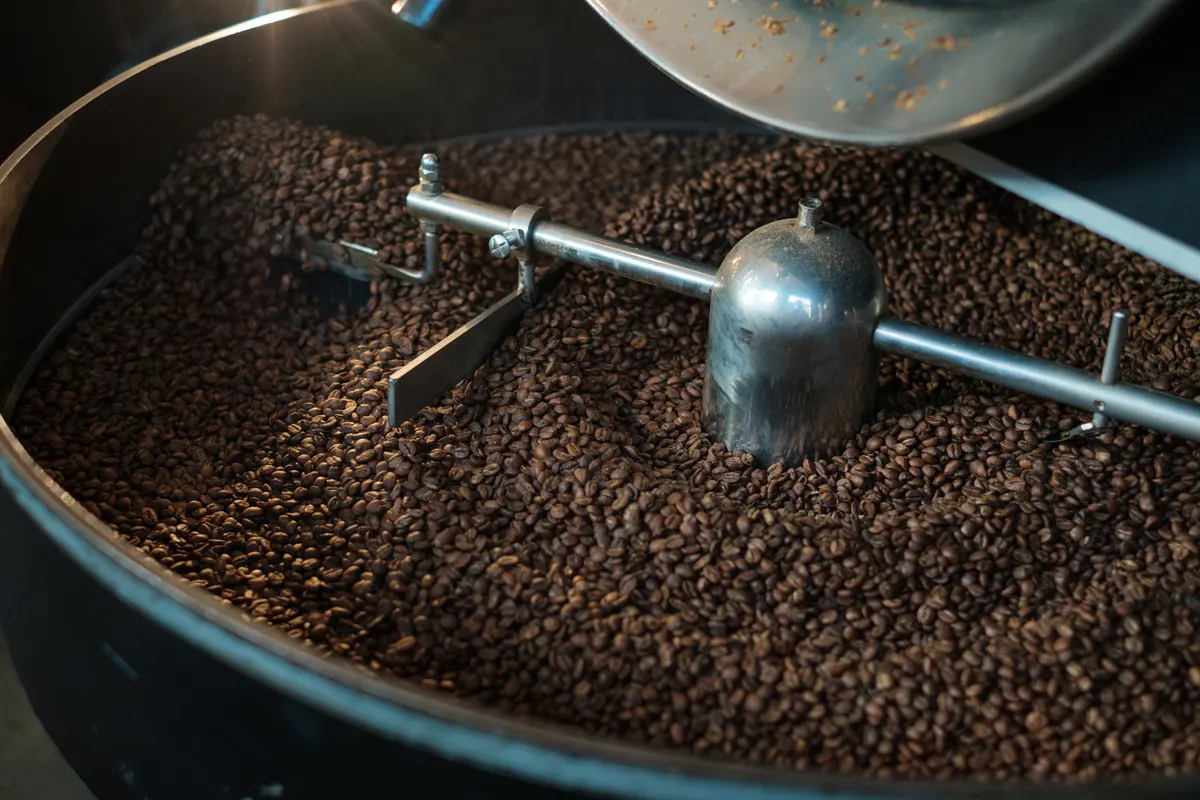
Coffee roasters marketing agency: freshly roasted coffee beans cooling from roaster.

Coffee is reordered on a rhythm, not discovered once

A roaster's online store lives or dies on the second bag. The first order is a curiosity purchase: someone saw a washed Ethiopian on your page, liked the tasting notes, and bought a single 340 gram bag. Whether they come back depends on the roast date printed on that bag, how quickly it shipped after roasting, and whether you asked them to subscribe at the moment their grinder ran empty.

We work with roasters who already sell online, from single-origin specialists to blends-first brands with wholesale accounts. The plan covers the four numbers behind your revenue: how many people find your beans, how many of them check out, what each order is worth, and how many come back on a rhythm. It names which of those is leaking for your store and fixes that first.

Most coffee drinkers use a bag in ten to twenty days. That cycle is the whole business model. A roaster who wins a customer and then goes quiet for a month has handed that customer back to the supermarket aisle. A roaster who knows the customer buys a 340 gram bag every two weeks can send the right nudge, offer the right subscription interval, and turn one order into a year of them.

The first order is different. It is driven by curiosity and proof. Shoppers compare tasting notes, process, altitude and roast level across several roasters, and they look for a roast date and a ship-within window before trusting a store they have never bought from. Grind selection matters too: a shopper without a grinder needs to see a ground option or they leave.

After the first bag lands, buying becomes a question of default. Our plans focus on making your store the default: a subscription that matches real consumption, a reminder that arrives a few days before the bag empties, and a product page that removes every freshness doubt before checkout.

What we do for
coffee roasters

Five channels, one plan.

Google Shopping and search

Shopping ads by origin, roast level and bag size

Coffee shoppers on Google are specific. They type the origin, the process and the roast level, and they expect the Shopping tile to show a bag size and a price they can compare. We structure your Shopping campaigns so each origin and format is its own product group, with search terms mapped to the bags that actually match them.

Brand searches for your roastery are treated separately from generic searches like single origin coffee beans or fresh roasted espresso. The brand terms get a small always-on budget so a competitor cannot sit above your own name. The generic terms get the bulk of the spend, filtered by the bag sizes and roast levels that convert for first-time buyers.

Seasonality is built in. Holiday gifting brings searches for coffee gift sets and subscriptions from people who do not drink your coffee themselves, so those campaigns point to gift pages with a message field and a delivery-date promise rather than to a single bag.

Meta and TikTok

Meta and TikTok creative that shows the roast

Coffee sells on process and place. Short video of the roaster at the drum, a cupping table, or a bag being sealed on roast day does more than any lifestyle shot. We build creative around those moments and test hooks that lead with something concrete: the roast date, the farm, the brew method the coffee was chosen for.

On Meta the audiences that work for roasters are usually people who already buy specialty coffee gear, people who have visited your site and looked at a bag without buying, and lookalikes built from subscribers rather than one-time buyers. That last distinction matters because subscribers share a habit, not just a purchase.

TikTok works for roasters with a founder or head roaster willing to appear on camera. Brew tutorials, dialling in an espresso, and side-by-side tastings drive traffic that converts on a sampler pack rather than a single bag, so we point that traffic at a page built for tasting several origins.

Merchant Center and the feed

Feed titles and attributes that pass review as food

Merchant Center treats coffee as a food product. Each variant needs an accurate net weight, and a title that tells the shopper what is in the bag: origin, process, roast level and size, in that order, before your brand name. A title that only reads as your blend name gives Google nothing to match against a shopper's search.

Grind is a variant that trips feeds up. Whole bean and each grind setting should share an item group so Google understands they are the same coffee, and each variant should carry its own image or the whole group risks disapproval for mismatched data. Unit pricing helps in markets that require it, and it helps shoppers comparing a 250 gram bag against a 1 kilogram one.

Subscriptions cannot be sold through Shopping directly, so the feed carries the one-time bag and the product page offers the subscription toggle. We also keep availability accurate around roast days so a bag that ships next Tuesday is not advertised as in stock today.

SEO and AI search

Pages that answer freshness and brew questions

Coffee shoppers ask AI assistants and search engines the same things: how long after roasting is coffee best, what grind for a French press, which origin tastes chocolatey rather than fruity, and how much caffeine is in a cup. A roaster's collection and product pages should answer those questions in plain text so they are quoted rather than skipped.

We rebuild collection pages around how people shop, by roast level, by brew method and by flavour family, rather than a single wall of bags. Each product page carries the roast date policy, the ship-within window, the recommended brew ratios and the tasting notes in prose rather than an icon strip.

Brew guides earn links and assistant citations when they are tied to specific products. A guide to dialling in espresso that names the bag you roast for espresso brings a shopper from the answer to the cart in one click.

Email and SMS

Replenishment timed to the empty bag

Email and SMS are where roasters win the second order. The first flow starts on delivery, not on purchase: a brew guide for the bag that arrived, a note on how the flavour changes over the first two weeks off roast, and a request for a tasting note.

The replenishment flow uses bag size and grind to estimate when the customer is running low and sends a reorder prompt a few days before that. For a 340 gram bag that is often around day ten to twelve. The message offers the same origin again and one adjacent origin, plus the subscription option with the interval the customer's buying already implies.

Subscribers get their own flows: a heads-up before each charge with the option to swap origin or skip, a new-release note when a seasonal lot lands, and a save flow if they pause. Gifting-season emails go to past gift buyers, who are a different audience from your daily drinkers.

First three fixes

What the plan usually starts with for coffee roasters.

  1. Put the roast date policy on every product page

    A visible ship-within-days-of-roast promise, plus the next roast day, removes the freshness doubt that stops first-time buyers comparing you against a roaster they already know.

  2. Rebuild the feed around origin, process and size

    Feed titles that lead with washed Ethiopian, light roast, 340 grams match what shoppers type. Variants for grind are grouped so Google sees one coffee, not five.

  3. Add a replenishment flow keyed to bag size

    A reorder email timed to the bag emptying, offering the same coffee and a subscription interval, is usually the fastest repeat-purchase gain a roaster can make.

Questions from coffee roasters

Both, but lead with the one-time bag for first-time buyers. People want to taste before committing. Put the subscription toggle on the product page with a small saving, then prompt it again in the replenishment email once the customer has finished the first bag and knows they like it.

Yes. Coffee is an ordinary food product in Merchant Center, so there are no special approvals. The work is in the feed: correct net weights, grouped grind variants, titles that lead with origin and roast, and availability that matches your roast schedule.

By selling what the supermarket cannot: a roast date, a named farm, a grind chosen for their brewer and a delivery timed to when they run out. Your pages and emails should keep repeating those differences until they become the reason to reorder.

It can, if cafes and shops land on consumer pages and consumers land on wholesale forms. We separate the two in search ads, in the navigation and in the feed so each group reaches the page written for them.

Advertise the size that most first-time buyers choose, usually a standard single bag, and use the product page and the cart to offer the larger format or a second bag. Advertising the 1 kilogram bag to a stranger asks for too much commitment before they have tasted the coffee.

Other food & beverage stores we work with

Send your coffee roaster store.

The plan says which lever is leaking and what to fix first, for your store as it is today.

Store, name, email and phone. A person replies from a real inbox. Privacy

Get your free growth plan