Skip to content

Gourmet pantry & olive oil marketing agency

Growth plans for olive oil and gourmet pantry brands: harvest date freshness, leak-proof shipping, recipe demand and baskets built from staples people reorder.

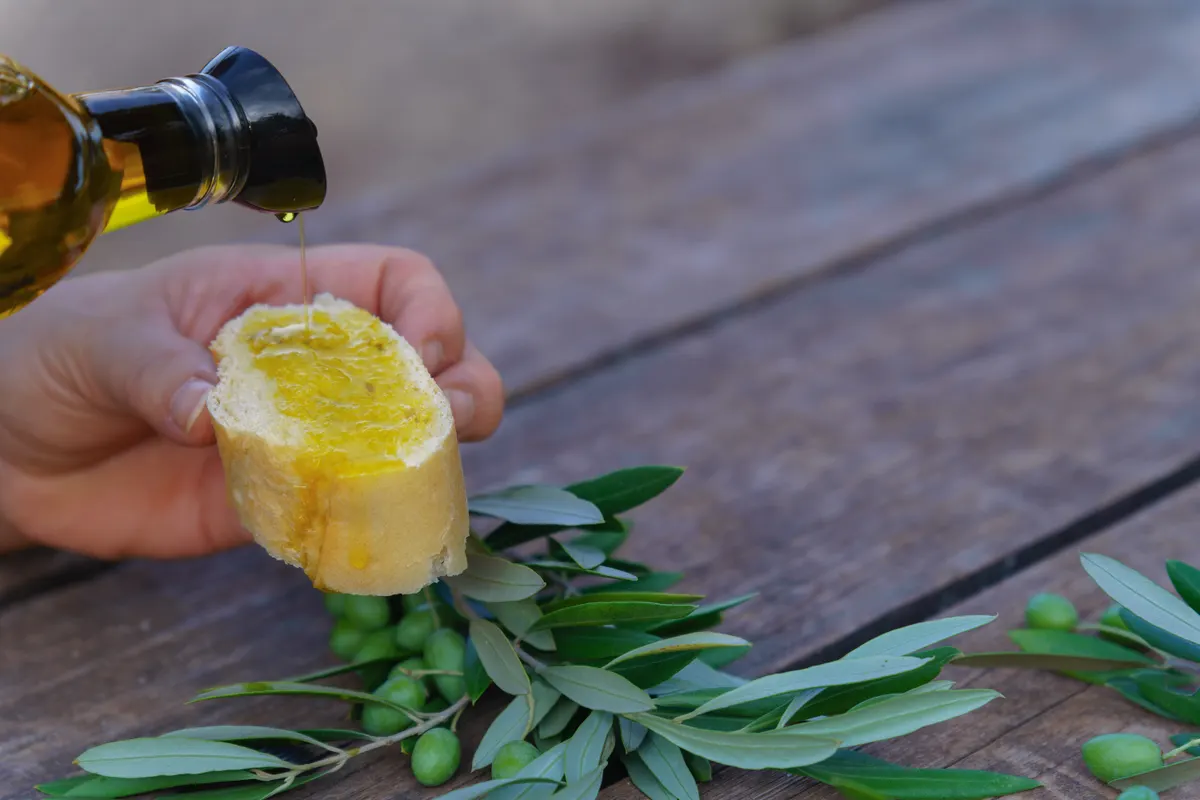
Gourmet pantry & olive oil marketing agency: hand pouring olive oil on fresh bread.

Shoppers are choosing between a supermarket bottle and yours

Olive oil is a fresh product that most shops sell as though it were a preserve. It is at its best in the months after pressing and it fades from there, which means the harvest date matters more than the best-before date, and the brands willing to print it have an argument nobody else on the shelf can make. The rest of a gourmet pantry works the same way. Vinegars, pastes, honeys, sauces and spices are bought slowly, used up quietly, and reordered by people who have decided which one they use.

We work with pantry and oil brands that already sell online, whether that is a single estate pressing its own fruit, an importer with a curated range, or a specialist in one ingredient. The plan covers visitors, conversion, order value and repeat purchases, and it takes seriously the fact that a heavy glass bottle of oil is one of the least profitable things in food to post on its own.

The comparison is never abstract. A shopper considering a bottle from your store is holding, in their mind, a cheaper bottle from a shelf near their house, and your page has to explain the difference in terms they can verify. Harvest date, olive variety, region, extraction method and acidity do that. Words like premium and artisan do not, because the supermarket bottle uses them as well.

The second thing they are weighing is whether they will use it. A pantry purchase carries a quiet fear of waste, of an expensive bottle going rancid at the back of a cupboard. Telling them how long it keeps once opened, how to store it, and giving them three specific ways to use it converts better than another paragraph about the estate. For a finishing oil, saying plainly that it is for drizzling rather than frying answers a question most shoppers are too unsure to ask.

The third is the postage. Oil is heavy, glass breaks, and a lone bottle rarely justifies the freight. Pantry shoppers know this and are willing to build a basket, which is why the store's job is to make the basket easy rather than to discount the bottle.

Where gourmet pantry & olive oil brands
lose revenue

The four levers, in this niche.

Visitors

Variety, use and recipe searches

The searches that convert name the thing precisely: single estate extra virgin olive oil, koroneiki olive oil, aged balsamic vinegar, finishing oil for salads. Alongside those sit the recipe searches that bring people who did not set out to buy anything, which is where a pantry brand can be found cheaply. We build paid coverage on the specific product terms and use recipe and technique content to catch the far larger volume of people cooking something tonight.

Conversion rate

Harvest date, acidity and storage on the page

The specifics are the sales argument. Print the harvest year and, where you can, the pressing month, the olive varieties, the acidity, the region and whether the bottle is dark glass or a tin, then explain what each one means in a sentence. Add the opened shelf life and storage advice. Shoppers hesitating over a large price difference are looking for a reason to believe you, and these are the only facts on the page that a supermarket bottle cannot match.

Average order

Build the pantry basket, not the single bottle

Freight for one heavy bottle is close to freight for three, so everything on the site should encourage a basket. Curated sets around a cuisine or a dish, a bottle plus the vinegar and the salt that go with it, and a free shipping threshold set at a realistic basket rather than an unreachable one all work. Larger formats such as tins for regular cooks lift the order and reduce the number of shipments you have to pay for across a year.

Repeat purchases

A reorder cycle you can actually estimate

A household that cooks regularly works through a mid-size bottle of everyday oil in a matter of weeks, while a finishing oil used sparingly lasts much longer, and the two need different reminders. Ask which one the customer bought it for, then time the message to that. The other repeat driver is the new harvest, which functions like a vintage release and gives you one moment a year when every past customer has a genuine reason to hear from you.

What we do for
gourmet pantry & olive oil brands

Five channels, one plan.

Google Shopping and search

Shopping structured by variety, format and freshness

Pantry shoppers on Google compare tiles on size and price before anything else, so the title has to carry the volume, the variety and the format. A tile reading extra virgin olive oil, single estate, five hundred millilitre dark glass gives a shopper something to judge. One that reads as an estate name and a product line does not.

Campaigns split by format because the economics differ sharply. Small bottles and gift sizes rarely justify their click cost on their own, so they are used to introduce the brand, while larger bottles, tins and multi-item sets carry the spend and the margin.

Harvest changes need managing like a release. When the new crop arrives, titles, images and dates change together, and the previous harvest either moves to a clearance listing or comes out of the feed. Leaving last year's oil advertised at full price against a competitor's new pressing is a quiet way to lose the comparison you would otherwise win.

Meta and TikTok

Meta and TikTok creative built on cooking, not landscapes

Groves and sunsets look beautiful and sell very little. What performs is the food: oil poured over a burrata, a spoon of it on warm bread, a dressing whisked in a bowl, the deep green of a fresh pressing against a white plate. Harvest and mill footage works too, because it is proof of production rather than scenery.

Recipe led creative is the reliable format. A thirty second dish where your bottle is an ingredient converts better than a product film, since the viewer is deciding what to cook rather than shopping for oil.

Audiences come from people who read recipes on your site, past buyers of a single item who have never built a basket, and lookalikes seeded on customers who bought twice. Gifting audiences are separate and seasonal, built before the winter holidays and pointed at sets rather than at bottles, because a gift buyer wants something that looks like a present when it is opened.

Merchant Center and the feed

Feed detail for volumes, harvests and heavy freight

Unit pricing carries more weight in this category than almost any other. Oils and vinegars come in many volumes, several markets expect a price per litre on packaged goods, and shoppers use it to compare a small bottle against a tin. Getting the unit pricing measure right changes how competitive your tile looks without changing your price.

Harvest years behave like vintages. Where the crop year is part of what you are selling, that year belongs in the title and the listing turns over when the new pressing arrives, rather than being quietly reused. Curated pantry sets are bundles of different items, not multipacks, and the number of items and the total weight should be visible.

Shipping settings have to reflect the weight and the protective packaging that stops glass breaking in transit. If your free shipping threshold exists to make a multi-item basket viable, the feed's shipping data should show that, so the tile and the cart tell the shopper the same story.

SEO and AI search

Recipes plus the questions people ask about oil quality

This niche has two kinds of organic demand and both matter. The first is recipes, an enormous and constant search volume where a brand that publishes genuinely good dishes using its own products gets found by people who were not shopping.

The second is the quality questions people put to assistants: how do I know if olive oil is real, what does extra virgin actually mean, does olive oil go rancid, can you cook with extra virgin, how should it be stored, what is the difference between varieties. Answering these plainly and without exaggeration is how a brand becomes the source that is quoted, and it happens to be the same content that justifies your price.

Product pages should carry the harvest date, the varieties, the acidity where you test for it, the extraction method, the container material, the opened shelf life and three specific uses, all in text. Those details are exactly what an assistant needs when a shopper asks it to recommend a finishing oil.

Email and SMS

Harvest releases and reorder timing by how it is used

The new harvest is the single most important email of the year for an oil brand. It is a genuine event, it justifies a pre-order, and it gives past customers a reason to return that has nothing to do with a discount. Building an early access list for it turns a seasonal spike into something predictable.

The reorder flow depends on the use the customer told you about. Everyday cooking oil bought in a mid-size bottle empties within weeks for an active kitchen, so the reminder lands sooner and offers the larger format. A finishing oil or an aged vinegar is used slowly, so the message that brings that customer back is a recipe or a companion product rather than a replenishment prompt.

The rest of the calendar writes itself from the kitchen. Seasonal dishes, a pairing note, a short explanation of how to tell when an oil is past its best. Gifting sequences run from early November to the shipping cut-off, aimed at people who have bought for themselves and might now buy a set for someone else.

First three fixes

What the plan usually starts with for gourmet pantry & olive oil brands.

  1. Print the harvest date on the page and in the feed

    Freshness is the argument that a supermarket bottle cannot answer. Show the harvest year and pressing month, explain why it matters in one sentence, and retire last season's listing when the new oil lands.

  2. Design the site around a basket, not a bottle

    Curated sets, companion products on the product page and a shipping threshold set at a realistic multi-item order make the freight on heavy glass work instead of eating the margin on every order.

  3. Publish recipes that use your own products

    Recipe searches are far larger than product searches in this category and they bring people who were not shopping. A dish that names your oil as an ingredient turns a reader into a first order.

Questions from gourmet pantry & olive oil brands

Yes. Hiding it invites the assumption that the oil is older than it is, and shoppers who care about freshness are the ones paying your prices. Publish the date, be clear about how the oil has been stored, and price older stock accordingly rather than presenting it as new.

Stop treating a single bottle as the target order. Set the free shipping threshold at a basket that genuinely covers freight, put companion products on every product page, and offer larger formats and tins to regular users so one shipment lasts longer. Packaging that prevents breakage also pays for itself in avoided replacements.

Be careful. Health claims on food are regulated in most markets and ad platforms restrict them separately, so a claim can be both a legal problem and an account problem. Describe what you measure and how the oil was made, which is factual, and leave conclusions about health outcomes out of the copy.

For everyday cooking oil, yes, because consumption is steady and predictable. For finishing oils, aged vinegars and specialty pastes it usually fails, since those last a long time and a shipment arriving too soon leads to a cancellation. Offer it on the staples and use recipes to bring the occasional buyer back.

Something usable together and packaging that survives the post. A pairing that makes a dish, a short card explaining what to do with it, and an outer box that protects glass. Gift buyers are usually not cooks themselves, so the set has to explain its own purpose without them knowing your range.

Other food & beverage stores we work with

Send your gourmet pantry & olive oil brand store.

The plan says which lever is leaking and what to fix first, for your store as it is today.

Store, name, email and phone. A person replies from a real inbox. Privacy

Get your free growth plan