Skip to content

Hot sauce marketing agency

Growth plans for hot sauce stores: heat-level navigation, variety packs that cover postage, glass-safe shipping answers and creative built for collectors.

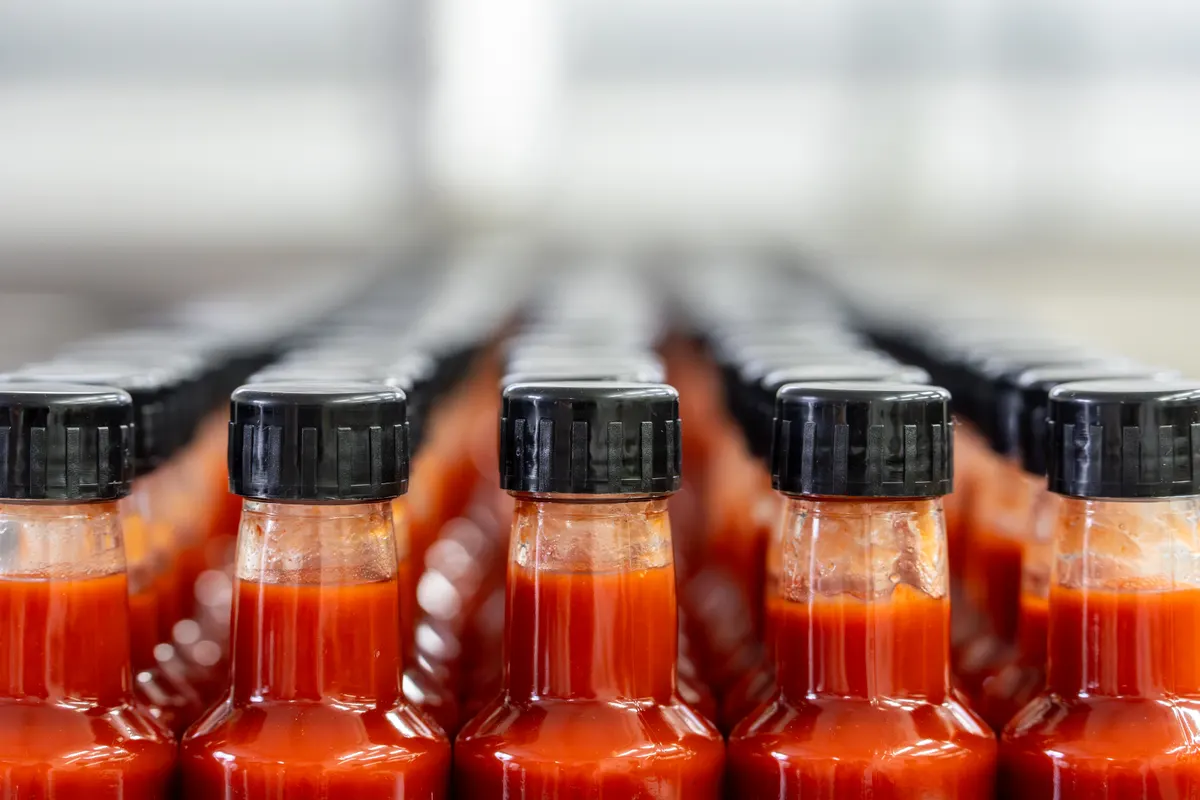
Hot sauce marketing agency: rows of red hot sauce bottles waiting on conveyor belt.

Hot sauce sells by heat, then by story

Hot sauce has a shipping problem and a collector's advantage. The problem: a single five ounce glass bottle weighs more than it costs, so one-bottle orders lose money on postage and shoppers balk at the shipping line. The advantage: hot sauce buyers collect. They want the whole lineup, they want the limited batch, and they will buy a three-pack to try everything at once if the page makes that the obvious choice.

We work with hot sauce brands that already sell online, from small-batch fermented makers to brands with grocery distribution who want the direct channel to grow. The plan looks at the four numbers behind your revenue, visitors, conversion, order value and repeat purchases, and tells you which one is costing you most, then fixes that before spending more on ads.

The first filter a hot sauce shopper applies is heat. Mild, medium, hot, extra hot, or a number on a Scoville chart. If your store does not make the heat level obvious on every tile and every page, the shopper has to guess, and guessing is how you get a return request from someone who bought a superhot for their eggs. The second filter is the pepper and the story: habanero and mango, fermented jalapeño, a scotch bonnet recipe from someone's grandmother. That is what turns a purchase into a recommendation.

Orders grow when the store makes the multi-bottle option the default. A trio at a small saving, a full-lineup pack, a gift set with a wooden crate: these are how a hot sauce store covers postage and how collectors want to buy anyway. Single bottles should be available, but not the hero.

Repeat buying is driven by two things: the bottle running out, which for a daily user is a matter of weeks, and new releases. Limited batches, seasonal peppers and collaboration sauces give the store a reason to write to past buyers with something to announce rather than a discount.

What we do for
hot sauce brands

Five channels, one plan.

Google Shopping and search

Shopping campaigns organised by heat and pepper

Hot sauce searches on Google split into three kinds: pepper searches such as ghost pepper sauce, heat searches such as mild hot sauce, and use searches such as hot sauce for wings. We build product groups for each, with feed titles that carry the pepper and the heat level so the tile answers the question before the click.

Variety packs get their own campaign. A shopper searching for hot sauce gift set or hot sauce sampler is looking for a pack, so we send them to pack pages rather than to a single bottle. The tile shows the bottle count and the range of heat inside.

Budget follows the calendar. Grilling season and the run-up to the winter holidays are the two peaks, and the traffic differs: summer buyers want a bottle for their own table, holiday buyers want a boxed set for someone else. Gift campaigns land on gift pages with a message field and a delivery-by date, and they switch off once the shipping cut-off passes.

Meta and TikTok

Taste reactions and pours on Meta and TikTok

Hot sauce is one of the easiest food products to sell on video. A pour over eggs, a first-bite reaction, a pepper being split open, a fermentation crock being opened: each of these earns attention without a script. We build creative around them and test hooks that lead with the pepper or the heat, because that is what the audience wants to know first.

On Meta the audiences that convert are visitors who looked at a variety pack, past single-bottle buyers who have not yet bought a pack, and lookalikes built from customers who have ordered twice. That second-order seed matters because collectors behave differently from one-off buyers.

TikTok suits brands with a maker who will appear on camera and with a lineup that changes. Superhot challenges, sauce-of-the-month reveals and cooking clips drive traffic that converts on packs, so the landing page shows the pack first and the individual bottles below.

Merchant Center and the feed

Feed detail for glass bottles and packs

Merchant Center wants hot sauce listed as a food product with accurate net volume and a title that carries what shoppers search: pepper, heat level, size and, for packs, the bottle count. A title that only reads as a brand and a sauce name does not match a search for habanero hot sauce.

Packs are a frequent point of failure. A three-pack must use the multipack attribute or be listed as a bundle with its own GTIN, and the quantity should be visible in the title. If the pack is listed as a single bottle with a pack price, the tile looks expensive and the click rate suffers.

Shipping settings in Merchant Center need to match reality for heavy glass. If your store has a free-shipping threshold set to make a pack worthwhile, the feed's shipping data should reflect that so the tile does not show a postage figure that surprises the shopper on the cart page. Custom labels separate limited batches from core range so the small runs can be pushed while they last.

SEO and AI search

Pages that answer heat, storage and pairing

Hot sauce shoppers ask assistants and search engines specific questions: how many Scoville is this sauce, does hot sauce need refrigerating after opening, what sauce goes with fish tacos, how long does a bottle last. A store that answers those questions in readable text on its product and collection pages is the store that gets cited.

We rebuild collection pages by heat level and by use, so there is a page for mild sauces, a page for superhots and a page for sauces for breakfast, each opening with a short direct answer and then the products. Product pages state the pepper, the heat in plain words and on a scale, the ingredients, the storage advice and three specific pairings.

A heat guide that ranks your lineup and links each sauce, and a pairing page that maps dishes to bottles, are the pages assistants return when someone asks which sauce to buy for a purpose. They bring the shopper from the answer to the pack in one click.

Email and SMS

Flows keyed to the bottle and the batch

The first flow after delivery is about use, not sales: three ways to use the sauce that arrived, a note on storage, and a request for a rating. That sets up the second purchase because a customer who used the sauce on four dishes is a customer who will finish the bottle.

The reorder flow assumes a five ounce bottle lasts a regular user a month or two and sends a prompt a little before that, offering the same sauce and the next heat up. Single-bottle buyers get a pack offer in that message, because the second order is where a trio becomes the natural size.

Batch releases are the strongest email a hot sauce brand can send. Past buyers get first access to a limited run, with the pepper, the heat and the count of bottles made. SMS carries the sell-out warning and the gifting cut-off date. Gift buyers from the holiday campaigns get a separate flow the following year, because they buy for someone else and on a different calendar.

First three fixes

What the plan usually starts with for hot sauce brands.

  1. Put a heat scale on every product card

    A visible heat level on tiles, collection pages and the feed answers the first question every hot sauce shopper has and cuts the returns from people who bought the wrong bottle.

  2. Make the trio the default and price shipping for it

    A three-pack hero on the homepage, a free-shipping threshold set just above its price, and pack-first landing pages for ads lift order value and stop postage objections.

  3. Add a batch-release email to the calendar

    A recurring announcement of limited runs to past buyers gives the store a reason to write that is not a discount and gives collectors a reason to come back.

Questions from hot sauce brands

Glass is heavy and a small bottle is cheap, so postage often costs more than the margin on one sauce. The fix is not to raise the bottle price but to make the pack the default purchase and to set the free-shipping threshold just above it.

Yes. Hot sauce is an ordinary food product. Problems arise only when copy suggests danger or dares people to hurt themselves, which can trigger review on Meta. We keep the heat honest and the copy about flavour and use.

It can help. Shoppers who find you in a store search your name later, and a brand campaign captures them. Online is where you sell the packs, the limited batches and the sauces the grocery buyer did not stock, so the ranges should differ.

Build a gift set with a box, a message option and a stated delivery-by date, run gifting campaigns to that page from early November, and email past customers about it before the ads start. Gift buyers want a set, not a browse.

Yes, in plain text, along with the pepper, the heat level and whether the sauce is fermented or vinegar based. Shoppers ask assistants about ingredients and allergens, and the page that states them is the page that is returned.

Other food & beverage stores we work with

Send your hot sauce brand store.

The plan says which lever is leaking and what to fix first, for your store as it is today.

Store, name, email and phone. A person replies from a real inbox. Privacy

Get your free growth plan