Skip to content

Lawn care product marketing agency

Marketing for lawn care brands: grass type and coverage rates, state registration limits on pesticides, seasonal programmes and heavy bag shipping.

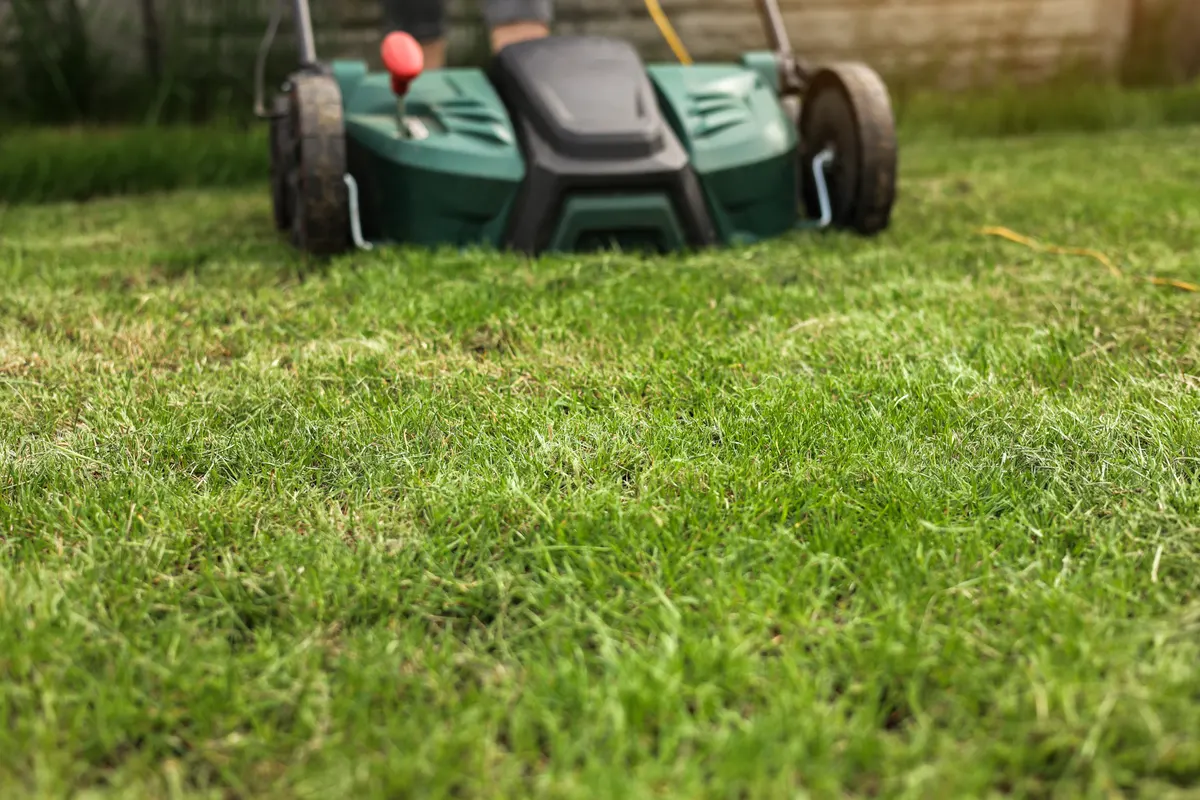
Lawn care product marketing agency: gardening work tools. Green electric aerator scarifier for soil cultivation and compaction on bright lush green lawn grass. Professional lawn care service. Grass maintenance. Place for text.

How lawn products are chosen

Lawn care is a subscription business that most brands sell as single products. A lawn needs feeding several times a year, on a schedule set by the grass type and the climate, and the customer who understands that buys from you four times instead of once. The obstacle is that almost nobody knows what grass they have, when to apply anything, or how much a bag actually covers, and a wrong application at the wrong time burns a lawn and produces a refund.

We write growth plans for lawn care product brands that already sell online. The plan is built around the annual programme rather than the individual bag, the grass type and region logic that makes advice accurate, the registration rules that decide where a pesticide or herbicide may legally be sold, and the freight cost of shipping heavy granular products.

It also covers the advertising restrictions that apply to weed and pest control products, which trip up a lot of otherwise sensible campaigns.

The customer arrives with a symptom, not a product. The lawn is yellow, there is moss, there are bare patches, there are weeds with broad leaves, there are brown circles. They search the symptom and they buy whatever the most convincing answer recommends, which is why diagnostic content is the whole game in this niche.

The first thing a good answer needs is the grass type, because a treatment that suits cool season grasses can be wrong for warm season lawns, and timing differs completely between them. The second is region and season, since pre emergent timing depends on soil temperature rather than the calendar. The third is area, because everything is sold by coverage and most people have no idea how many square metres their lawn is.

Application method matters more than shoppers expect. Granular needs a spreader with the right setting, liquid concentrate needs dilution, hose end applicators need water pressure. Getting the rate wrong is the most common cause of damage and the most common cause of a complaint.

There is also a legal layer. Products containing pesticides are registered for sale in particular jurisdictions, and some are restricted or banned in specific states, provinces or countries. Selling into a region where a product is not registered is a real problem, not a marketing detail.
Where lawn care product brands
lose revenue

The four levers, in this niche.

Visitors

Visitors: own the symptom search

Lawn traffic begins with problems. Moss, yellow patches, crabgrass, brown circles, thin grass under trees. Diagnostic pages that identify the problem from a photograph and a description and then recommend a treatment bring in buyers at the moment of intent. Paid campaigns should follow soil temperature and region rather than a national date, since pre emergent and overseeding windows arrive weeks apart across a country, and weed control advertising has policy limits that shape what can be said.

Conversion rate

Conversion: coverage, grass type and timing on every page

State the coverage area per bag or bottle in the unit customers think in, the application rate, the grass types it suits, the season to apply it, the spreader settings for common models, and how long before children and pets can use the lawn. Add an area calculator so a shopper can work out how much they need. List the regions where the product is registered for sale and prevent orders from anywhere it is not, before the basket rather than after.

Average order

Order value: sell the season, not the bag

Lawn care is naturally bundled because a lawn needs several treatments a year in a set order. A four application annual programme sized to the customer's measured area is a bigger, better order than one bag, and it also fixes the timing problem that causes most failures. Add the spreader, a soil test, grass seed for repairs and a hose end applicator. Heavy freight also means one large order costs you less to deliver than four small ones.

Repeat purchases

Repeat purchases: a calendar you can calculate

This is one of the most predictable reorder cycles in the garden. Once you know the customer's region, grass type and lawn area, you know roughly when each application is due and how much they will need. Reminders timed to their local season, not a fixed interval, turn a single bag into an annual programme. Subscription works well here when it is framed as a lawn plan with the right product arriving before each window opens.

What we do for
lawn care product brands

Five channels, one plan.

Google Shopping and search

Google Shopping and search ads for lawn products

Titles have to carry coverage and purpose because that is how these products are compared. Lawn Feed and Weed Granular 400 sq m Spring Application tells the shopper the two things they need. Campaigns split by product function, since feed, weed control, moss treatment, seed and soil improvers each peak at different points in the year and in different regions.

Geographic control matters more than in almost any other garden niche, both because timing varies by climate and because some products cannot legally be sold everywhere. Campaigns should be limited to the regions where a product is registered. Advertising rules on pesticides and herbicides restrict certain claims and in some markets require additional approval, so copy has to stay factual and compliant. Shipping settings need weight based rates, since granular products are heavy and mispriced delivery erases the margin.

Meta and TikTok

Meta and TikTok ads for lawn products

Lawn content performs unexpectedly well on social because results are visual and the audience is competitive about their gardens. Before and after over a season, a spreader being calibrated, a bare patch repaired in three weeks, a side by side of treated and untreated grass.

Educational creative outperforms product creative here. A short clip explaining how to identify your grass type, or why applying feed in the wrong month burns a lawn, earns trust and sells the correct product afterwards. Platform policies restrict some pesticide and chemical advertising, so keep claims factual, avoid implying health or safety outcomes, and check what can be promoted in each market before building the campaign. Seasonal ramps should follow the local growing calendar, and retargeting is best served with the annual programme rather than the single bag the shopper looked at.

Merchant Center and the feed

Merchant Center and the feed for lawn products

Two feed issues dominate this niche. The first is regional availability. Products registered only in certain jurisdictions must be limited to those regions in the feed and in campaign targeting, and restricted items should be excluded rather than disapproved. Google also applies policies to pesticides and hazardous chemicals, and some products cannot be advertised at all.

The second is coverage as a comparable attribute. Bag sizes should be variants under one item_group_id, with the size expressed in weight and the coverage area in the title and product highlights, so a shopper can compare cost per area rather than cost per bag. Weights must be exact for shipping rates. Where a product carries a registration or approval number, include it in the description since it is often searched. Images should be clean pack shots without promotional overlays, with application photography in the additional slots.

SEO and AI search

SEO and AI search for lawn products

Lawn questions are among the most commonly asked seasonal queries anywhere, and assistants answer them constantly. When to apply pre emergent, how to get rid of moss, what grass do I have, how much seed for a given area, why has my lawn gone yellow.

We build a diagnosis hub organised by symptom with photographs, a grass identification guide, and an annual calendar that adapts to region and grass type rather than assuming one climate. Coverage and application guidance is written with worked arithmetic the reader can repeat with their own measurements, and spreader settings for common models are published because that search happens constantly and almost nobody serves it. Safety information about re entry times for children and pets is stated plainly. Product pages carry rates, coverage and registration details as structured text so assistants can quote them correctly.

Email and SMS

Email and SMS for lawn products

Email is where the annual programme lives. Once a customer tells you their region, grass type and lawn area, every message afterwards can be specific: this application is due in the next two weeks, here is the quantity for your area, here is the spreader setting.

The onboarding sequence should collect those three facts, ideally through a short lawn profile rather than a form nobody fills in. After that, each seasonal window gets a message timed to local conditions, with the right product and quantity pre calculated. Post purchase emails cover application technique, weather conditions to avoid, and re entry timing, all of which prevent the damage complaints that follow careless use. A results check a few weeks after application invites a follow up treatment or a soil test. SMS is useful for a short weather window when conditions are right for applying.

First three fixes

What the plan usually starts with for lawn care product brands.

  1. One national schedule for many climates

    Advice and campaigns assume a single spring date, so customers in warmer regions apply too late and those in cooler ones too early, then blame the product. We rebuild the calendar around grass type and local conditions, and set campaign timing and email sends by region rather than by one national date.

  2. Products advertised where they cannot be sold

    Pesticide and herbicide registration varies by jurisdiction, and campaigns run nationally regardless, producing disapprovals and orders that must be cancelled. We map where each product is registered, restrict feeds and targeting accordingly, and block checkout for restricted regions before the customer has paid.

  3. Coverage buried and area unknown

    Bags list a weight and shoppers cannot tell how many they need, so they buy one and under apply. We put coverage area in the title and on the page, add a lawn area calculator, and recommend the correct quantity for the measured area as part of the product choice.

Questions from lawn care product brands

Almost always because of rate or timing. An under filled spreader gives a patchy result, an over applied granular feed scorches, and a pre emergent applied after weeds have germinated does nothing. Publishing coverage, application rates, spreader settings and the correct window for each grass type turns most of those complaints into a successful application instead.

Treat it as a hard rule in the systems rather than a note in the terms. Map registration by jurisdiction, restrict the product feed and ad targeting to those regions, and block the item at checkout for addresses elsewhere. Explain the position honestly on the product page so customers understand why an item is unavailable to them.

Yes, because it determines nearly every recommendation you will make afterwards. Most people do not know, so provide an identification guide with photographs and simple questions about climate and appearance rather than expecting an answer outright. Once it is captured alongside region and lawn area, every future message can be accurate and correctly sized.

For most customers yes. A lawn needs several treatments in a set order across the year, and a programme sized to the measured area removes the guesswork that causes failures. It also raises the order value, reduces your delivery cost per application because heavy goods ship together, and creates a predictable relationship rather than an occasional one.

Ad platforms apply specific policies to pesticides and hazardous chemicals, and some products cannot be promoted at all in certain markets while others require particular approvals. Claims about effectiveness and safety are also restricted. Keep copy factual, check the position for each market before building campaigns, and lean on educational content and email where paid promotion is limited.

Other garden & outdoor living stores we work with

Send your lawn care product brand store.

The plan says which lever is leaking and what to fix first, for your store as it is today.

Store, name, email and phone. A person replies from a real inbox. Privacy

Get your free growth plan