Skip to content

Raised bed & planter marketing agency

Marketing for raised bed and planter brands: soil volume nobody calculates, bed depth by crop, breakable ceramics and bulky low weight freight.

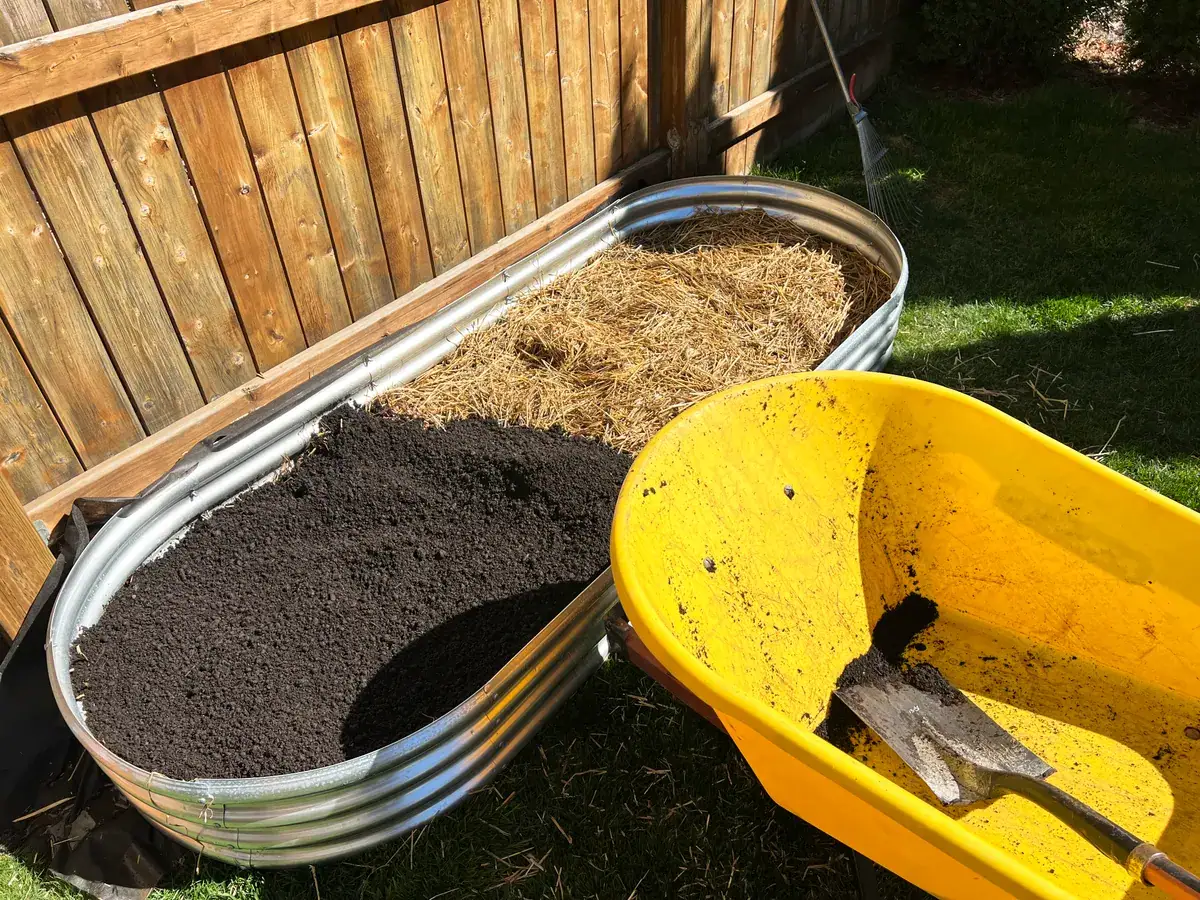
Raised bed & planter marketing agency: vegetable garden with galvanized metal raised beds is being prepped with straw beneath soil.

How a raised bed or planter is chosen

Raised beds and planters have a quiet problem that costs stores a lot of orders. The customer buys the container and then discovers how much soil it takes to fill, which for a large bed can cost more than the bed itself and weigh more than they can carry. A store that calculates the volume for them, tells them honestly what it will cost and sells or recommends the filling method has removed the biggest reason people abandon this purchase.

We write growth plans for raised bed and planter brands that already sell online. The plan covers soil volume and depth by crop, the material arguments between cedar, galvanised steel, composite, terracotta and fibreglass, the freight economics of shipping items that are bulky but light, and the breakage risk that comes with ceramic and stone.

It also covers accessible and elevated beds, which serve gardeners who cannot kneel or bend and who search in that language while almost nobody writes for them.

There are two distinct buyers. The vegetable grower is choosing a system: how deep for carrots and parsnips, how wide so the middle can be reached from both sides, how many beds fit the plot, whether they can be joined or stacked. Depth is the technical decision, since shallow beds limit what can be grown and deep beds need a great deal of filling.

The decorative buyer is choosing an object. A pair of planters flanking a door, a trough on a balcony, something that suits the house. They judge on finish, proportion, colour and whether it will survive winter without cracking, which is a real question for terracotta and glazed ceramic in a frost prone climate.

Both ask the same practical questions once they are close to buying. Does it have drainage holes. Is the timber treated and is the treatment safe for food crops. Will galvanised steel get too hot in summer sun. Does it need lining. How heavy is it once filled, which matters enormously on a balcony or a roof terrace.

Delivery is awkward in a particular way. Large planters are bulky but light, so they are charged on dimensional weight, while ceramic and stone are heavy and break in transit. Both realities have to be priced and explained rather than absorbed quietly.
Where raised bed & planter brands
lose revenue

The four levers, in this niche.

Visitors

Visitors: separate the growers from the decorators

Two audiences search in different languages. Growers type raised bed for vegetables, deep raised bed for carrots or galvanised garden bed, while decorative buyers type large outdoor planters, tall pots for a front door or balcony trough. Build collections and campaigns for each rather than one planters page. Demand peaks in early spring for growers and runs later into summer for decorative buyers, so the budget curves should not be identical either.

Conversion rate

Conversion: publish the volume before they have to ask

Every product page should state internal dimensions, soil volume in litres or cubic feet, and how many standard bags that equals, along with depth, material and thickness, drainage, whether a liner is needed, assembly time and filled weight. Frost resistance matters for ceramic and terracotta. Food safety of any timber treatment matters for vegetable growers. Add photographs with a person or a familiar object for scale, since planters are consistently misjudged in size.

Average order

Order value: the bed is the smallest part of the project

A raised bed order should carry the filling method, a liner or weed membrane, corner brackets or joining kits, a trellis or hoop cover, irrigation, castors for movable planters and feet for drainage. Beds sell in multiples because a plot needs several, so quantity pricing matters. For decorative planters, pairs and graduated sets raise the basket naturally. Because bulky items are charged on dimensional weight, nesting and multi packs improve your shipping economics.

Repeat purchases

Repeat purchases: the plot expands and the soil settles

Beds get added year after year, which makes matching finishes and modular systems worth building around. Soil settles and needs topping up each spring, compost and feed reorder through the season, liners perish, and covers and hoops are bought once the first pest problem appears. Decorative buyers replace seasonal planting and often buy more containers for other parts of the garden. A spring top up reminder keyed to what they bought is a natural, useful message.

What we do for
raised bed & planter brands

Five channels, one plan.

Google Shopping and search

Google Shopping and search ads for beds and planters

Titles must carry the dimensions and material because that is how these are compared on a tile. Galvanised Raised Garden Bed 8ft x 4ft x 17in Deep and Cedar Raised Bed Kit 6ft x 3ft both work harder than a product name alone. Campaigns split between growing beds and decorative planters, since the buyers, price points and seasons differ.

Sizes and finishes should be structured so shoppers see the variant they searched for. Accessories, liners, joining kits and covers run as a supporting campaign that lifts order value. Shipping settings need dimensional weight handled properly, because large light items are charged on volume and a flat rate loses money on every dispatch. Search ads take the questions a tile cannot answer, such as how deep a raised bed needs to be for particular crops, and lead to the guide that sells the right size.

Meta and TikTok

Meta and TikTok ads for beds and planters

This niche performs well on social because the product is the backdrop for a satisfying process. A bed assembled and filled in an afternoon, a bare patio becoming a container garden, seedlings going in and the same bed full in July. Build and fill content is particularly effective because it answers the assembly and volume questions visually.

Decorative planters need different creative entirely, closer to interiors content, focused on styling, proportion and how a pair looks either side of a door. Accessible and elevated beds deserve their own campaign speaking honestly to gardeners with limited mobility, an audience that is genuinely underserved and responds to being addressed directly. Prospecting targets vegetable growing, allotment and home improvement interests for one group and garden design for the other, and retargeting works best with a sizing or filling guide.

Merchant Center and the feed

Merchant Center and the feed for beds and planters

Dimensions are the attributes that decide these listings, so put length, width and depth in the title and use the size attribute properly, with sizes grouped under an item_group_id where a model comes in several footprints. Material and colour are legitimate variant dimensions for decorative ranges.

Shipping is where most feeds in this niche lose money. Large planters and flat packed beds are bulky and light, so carrier charges are based on volumetric weight, and the feed must carry accurate package dimensions rather than actual weight alone. Ceramic and stone items are fragile and often need a different carrier or service, which should be reflected in shipping settings and lead times. Multi packs need unambiguous unit counts so a listing showing one price for a set is not misread. Images should be clean product shots with planted lifestyle photography in the additional slots.

SEO and AI search

SEO and AI search for beds and planters

The questions here are measurable and practical, which is exactly what assistants answer well. How deep should a raised bed be, how much soil do I need to fill a given bed, what do you put in the bottom of a raised bed, are galvanised beds safe for vegetables, will terracotta crack in frost, how wide should a bed be to reach the middle.

We build a sizing and filling hub with a soil volume calculator, depth recommendations by crop with root depths explained, and honest guidance on filling methods including layered approaches and their trade offs. A materials section compares cedar, treated softwood, galvanised steel, composite, terracotta and fibreglass on lifespan, heat, weight and frost behaviour. Accessible gardening gets its own pages covering elevated bed heights, reach distances and wheelchair clearance. Product pages carry volume and dimensions as structured text so an assistant can answer a fill question correctly.

Email and SMS

Email and SMS for beds and planters

Email should follow the growing project rather than the product. After a bed is bought, the useful sequence is filling, then what to plant at that depth in that season, then feeding and topping up, then covers and supports as the crop grows. Each stage sells something and each stage is genuinely helpful, which is the combination that keeps people subscribed.

The spring top up message is the single most reliable repeat send, because soil in every raised bed settles over winter and owners know it. Expansion messaging works well in late winter when people plan the plot, offering matching beds and joining kits so the garden stays consistent. Decorative buyers get seasonal planting ideas and matching containers. Post purchase should cover assembly help and, for fragile items, inspection on arrival. SMS suits delivery windows on bulky pallets.

First three fixes

What the plan usually starts with for raised bed & planter brands.

  1. Soil volume left for the customer to discover

    A bed is bought without any idea that filling it will take a large quantity of soil, and the shock either stops the order or produces a complaint. We publish the volume in litres and in bag equivalents on every page, add a calculator, and offer filling options and layered methods so the cost is planned rather than sprung.

  2. Flat shipping on bulky lightweight goods

    Large planters and flat packed beds are charged by carriers on volume, but the store prices delivery by weight and loses money on every dispatch. We correct package dimensions in the feed and in the shipping rules, and use nesting sets and multi packs to improve the economics of a single consignment.

  3. Accessible beds treated as an afterthought

    Elevated and waist height beds are listed with the rest of the range with no mention of who they help, so gardeners searching for a bed they can use standing or seated never find them. We build a dedicated section with working heights, reach distances and clearance information, and market it directly.

Questions from raised bed & planter brands

It depends on what is being grown, and the page should say so rather than giving one number. Salads and herbs manage in shallow beds, most vegetables prefer a moderate depth, and root crops such as carrots and parsnips need considerably more. Publishing root depth by crop lets the shopper choose the right bed the first time instead of returning it or growing something stunted.

Openly, because it is often comparable to the bed itself. State the internal volume, convert it into a number of standard bags, and explain the filling options including layered methods that use bulkier material lower down. Customers who understand the total cost in advance still buy. Customers who discover it after delivery cancel or complain.

Because large containers are bulky and light, and carriers charge on volumetric weight rather than actual weight. A rate calculated from the item's weight alone will always be short. The feed and the shipping rules need accurate package dimensions, and nesting sets or multi packs help because a single larger consignment costs less than several separate ones.

It is one of the most searched questions in this category and it deserves a factual answer rather than reassurance. Publish what the coating or the timber treatment actually is, what the manufacturer states about contact with growing soil, and any relevant standards it meets. Where a liner is recommended, say so and sell one. Vague claims damage trust with exactly the customers who ask.

Expansion and soil. Most people who build one bed build another within a year or two, which makes matching finishes, joining kits and modular systems worth designing around. Soil settles over winter in every bed, so a spring top up reminder is useful rather than promotional. Covers, hoops, trellises and irrigation follow once the first season has shown what the plot needs.

Other garden & outdoor living stores we work with

Send your raised bed & planter brand store.

The plan says which lever is leaking and what to fix first, for your store as it is today.

Store, name, email and phone. A person replies from a real inbox. Privacy

Get your free growth plan