Skip to content

Grill & BBQ marketing agency

Marketing for grill and BBQ brands: fuel type decisions, gas conversion and hazmat limits, pellet and rub reorders, and parts by model year.

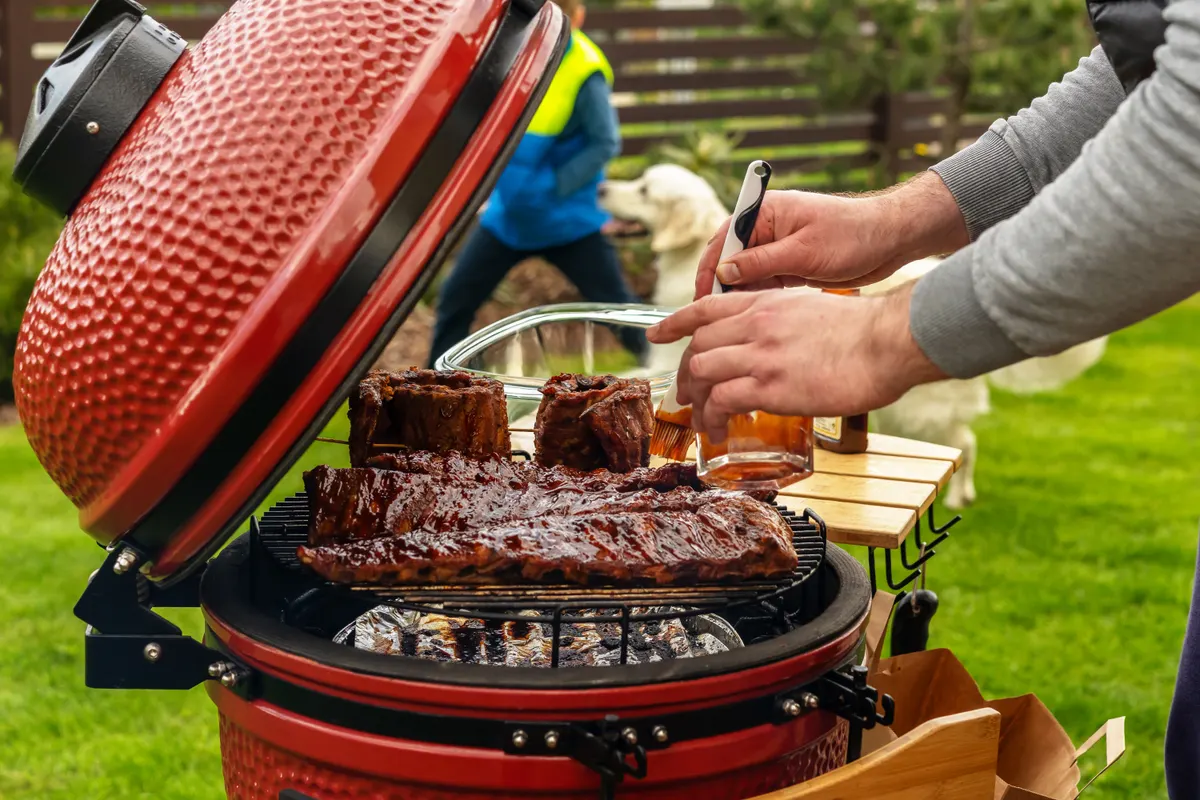
Grill & BBQ marketing agency: red Ceramic Barbecue Grill. The man coats pork ribs with BBQ sauce. Dog and boy playing during family barbecue in the backstage of summer terrace.

How a grill buyer makes the decision

A grill brand sells one large object and then a decade of small ones. The cooker is bought once, argued over for weeks, and delivered on a pallet. After that the customer needs pellets or charcoal, rubs, a cover, a probe, replacement grates and eventually a burner or a firebox gasket. Brands that treat the cooker as the whole business leave most of the revenue on the table, and brands that cannot tell a customer which grate fits a 2019 model lose them to a parts specialist.

We write growth plans for grill and BBQ brands that already sell online. The plan covers the fuel type argument that decides every purchase, the gas supply and conversion questions that generate support tickets, the freight and breakage reality of heavy ceramic cookers, and the consumable programme that should be running from the week the grill arrives.

It also handles what you cannot ship, since propane cylinders and certain fuels are restricted or refused by carriers and that has to be clear before checkout.

The first fork in the road is fuel, and it is close to an identity choice. Gas buyers want convenience and are comparing burner count, cooking area and how quickly it reaches temperature. Charcoal and kamado buyers want flavour and heat retention and will read about ceramic thickness and airflow control. Pellet buyers want set and forget low temperature cooking with a controller and a probe. Someone who has decided on pellets is not going to be moved to gas by a discount.

After fuel comes capacity, expressed in cooking area and in how many people it feeds, and then the practical questions. Gas grills need to match the supply, whether that is a bottle or a natural gas line, and conversion kits are model specific and legally restricted in some places. Kamados weigh a great deal, arrive on a pallet and can crack, so the shipping and damage policy is part of the sale.

Assembly is a real objection for large gas grills, where a box of parts and a two hour build is what actually arrives.

Then the season. Demand climbs from spring, peaks around the early summer holidays and the father focused gifting week, and returns in a smaller wave for autumn and winter cooking among the serious crowd.
Where grill & BBQ brands
lose revenue

The four levers, in this niche.

Visitors

Visitors: organise the store the way the fuel argument runs

Grill traffic arrives already sorted by fuel type, so the site should be too. Separate collections and separate campaigns for gas, charcoal, kamado, pellet and portable, each with copy written for that buyer's priorities rather than a shared paragraph. Add capacity and use case pages, such as grills for a small balcony or cookers for low and slow. Paid budgets ramp from early spring, peak into the early summer holidays and gifting week, and hold a smaller winter presence for the year round cooks.

Conversion rate

Conversion: the specifications people compare, plus what arrives

Publish total and primary cooking area, burner count and output, temperature range, grate material, body construction and thickness, assembled dimensions and weight. Say whether it comes assembled or flat packed and how long the build takes. State the gas supply it is configured for and whether a conversion kit exists. For heavy ceramic cookers, explain pallet delivery, inspection on arrival and how damage is handled, because that worry silently blocks orders.

Average order

Order value: the first cook needs more than the grill

A grill order should leave with the cover, the fuel, a chimney starter or a bag of pellets, a thermometer or wireless probe, tools, a griddle or rotisserie accessory and a cleaning brush. Bundle those as a first cook package priced to feel obvious. Because pallet freight is expensive per shipment, attaching accessories to the original order also improves your margin. Fuel and rubs sold in multi packs raise the basket and set up the reorder at the same time.

Repeat purchases

Repeat purchases: fuel, flavour and parts

This is one of the strongest reorder profiles in outdoor living. Pellets and charcoal come back on a rhythm you can estimate from cook frequency, rubs and sauces even faster, and both suit subscription. Grates, flame tampers, gaskets, igniters and burners fail on longer timelines and are searched by model. Recording the model owned at purchase lets every later message name the right consumable and the right part, which is the difference between a reorder and a search elsewhere.

What we do for
grill & BBQ brands

Five channels, one plan.

Google Shopping and search

Google Shopping and search ads for grills

Shopping in this category is fought on fuel type and cooking area, so titles should lead with both. Pellet Grill 700 sq in Wifi Controller and Kamado Charcoal Grill 22 inch Ceramic each answer the query before the click. Campaigns split by fuel type so budgets can follow their own seasonal curves, with portable and tabletop models separated because they sell to a different buyer at a different price.

Consumables and parts deserve dedicated campaigns and usually deliver the best return in the account, since a search for a specific grate or gasket comes from an owner with a clear intent. Search ads handle the comparison queries, such as pellet versus charcoal or which grill suits a small patio, and route to guides rather than products. Shipping settings must carry freight rates for heavy cookers, and any fuel or cylinder you cannot ship should be excluded rather than advertised.

Meta and TikTok

Meta and TikTok ads for grills

Food is the creative. Smoke, sear marks, a brisket being sliced, a probe reading being checked at three in the morning. Cooking content outperforms product photography by a wide margin here and doubles as organic content that keeps the brand present between purchases.

Recipe led creative works because it sells the outcome and the accessory at once, and it gives you something to post in the off season when nobody is buying a cooker. Creator partnerships with pitmasters and home cooks carry weight in a community that values demonstrated skill. Prospecting targets cooking, outdoor living and specific fuel type interests, and retargeting should answer the objection rather than repeat the product, which usually means assembly, delivery or the flavour argument for whichever fuel they were browsing. Gifting creative for the early summer occasion is a separate campaign with its own imagery and delivery deadline.

Merchant Center and the feed

Merchant Center and the feed for grills

Grills carry manufacturer identifiers, so GTIN, brand and MPN should be complete, which matters because shoppers compare the same model across sellers and an incomplete feed loses that comparison. Colour and size variants need an item_group_id, and cooking area is worth putting in the title as well as the attributes.

Freight is the part most feeds get wrong. Heavy cookers need accurate weights, dimensions and shipping labels so the delivery cost shown is the cost charged. Some fuels and any pressurised cylinder cannot be shipped by standard carriers at all, and those items should either be excluded from the feed or restricted to the regions where you can genuinely deliver. Parts and consumables belong in the feed with the compatible model and year in the title. Images must be clean, without promotional text overlays, with cooking shots in the additional image slots.

SEO and AI search

SEO and AI search for grills

Assistants get asked the fuel argument constantly, along with cooking questions that lead straight back to equipment. Pellet or charcoal, what temperature for a pork shoulder, how to convert a grill to natural gas, which grate material lasts longest, how to season a new cooker.

We build a fuel comparison hub written on the actual cooking differences, a recipe and technique library that carries the brand's own equipment naturally, and a maintenance section covering seasoning, cleaning, gasket replacement and winter storage. Parts pages by model and year are an underrated traffic source, because owners search exactly that way for years after buying. Collection pages exist per fuel type, per capacity and per use case with real copy, and product pages carry full specifications as structured text so an assistant can quote cooking area, temperature range and supply type correctly.

Email and SMS

Email and SMS for grills

The programme is built around the model the customer owns. Capture it at purchase or through registration, and every message afterwards can name the right fuel, the right grate and the right gasket instead of guessing.

The first cook sequence covers assembly help, seasoning the cooker, first temperature control and the accessories that make the early cooks better. Then recipes take over as the retention engine, sent in a rhythm that matches the season and each one built around something you sell. Fuel reorder timing is calculated from cook frequency, with subscription offered for pellets, charcoal and rubs. Longer flows handle end of season cleaning and covers, then the spring wake up message. Parts reminders are sent on realistic wear timelines. SMS works for delivery day and for gifting deadlines in the early summer occasion.

First three fixes

What the plan usually starts with for grill & BBQ brands.

  1. One catalogue for four different buyers

    Gas, charcoal, kamado and pellet customers are shown the same copy and the same campaigns, so none of them read an argument aimed at them. We split collections, creative and budgets by fuel type and write each with the priorities that fuel's buyer actually holds.

  2. Parts that cannot be matched to a model

    Owners searching for a grate or a gasket for a specific model and year find a generic accessories page and go elsewhere. We build a parts catalogue keyed to model and year, name the compatibility in the title, and link it from every product page and from the order history.

  3. Shipping restrictions found at checkout

    Fuels and pressurised cylinders that carriers refuse are listed as if they ship anywhere, producing cancelled orders and refunds. We mark restricted items clearly on the page, limit them to regions you can serve, and exclude them from feeds and campaigns aimed elsewhere.

Questions from grill & BBQ brands

By fuel type. The choice between gas, charcoal, kamado and pellet is made before price enters the conversation, and each group cares about different specifications. Someone set on pellets will not switch to gas for a saving. Organise collections, ad campaigns and copy around fuel first, then let capacity and price act as filters within each group.

Plan for it in advance. Ceramic cookers travel on pallets and occasionally crack. Tell customers on the product page and in a pre delivery message to inspect before signing, photograph any damage and report it within a stated window. Keeping replacement ceramic components as stocked parts turns a full return into a component swap.

Some fuels ship normally and some do not. Pressurised gas cylinders are generally refused by parcel carriers, and certain fire starting products face transport restrictions. Decide what you can genuinely deliver and to where, mark restricted items on the product page, and exclude them from feeds and ads targeting regions you cannot serve rather than cancelling orders afterwards.

Fuel and flavour come back fastest. Pellets and charcoal reorder on a rhythm set by how often the customer cooks, and rubs and sauces move faster still, which makes both good subscription candidates. Covers and cleaning products are seasonal. Grates, gaskets, igniters and burners follow multi year wear cycles and are searched by model, so recording the model owned pays off for years.

State clearly which gas the model is configured for, whether a conversion kit exists for it, and that conversions must be carried out according to local rules and often by a qualified fitter. It is a frequent search and a frequent support ticket. Being precise about it prevents both a wrong purchase and an unsafe modification.

Other garden & outdoor living stores we work with

Send your grill & BBQ brand store.

The plan says which lever is leaking and what to fix first, for your store as it is today.

Store, name, email and phone. A person replies from a real inbox. Privacy

Get your free growth plan