Skip to content

Hot tub & sauna marketing agency

Marketing for hot tub and sauna brands: electrical supply and base questions, crane and access surveys, long lead times, and chemical reorders.

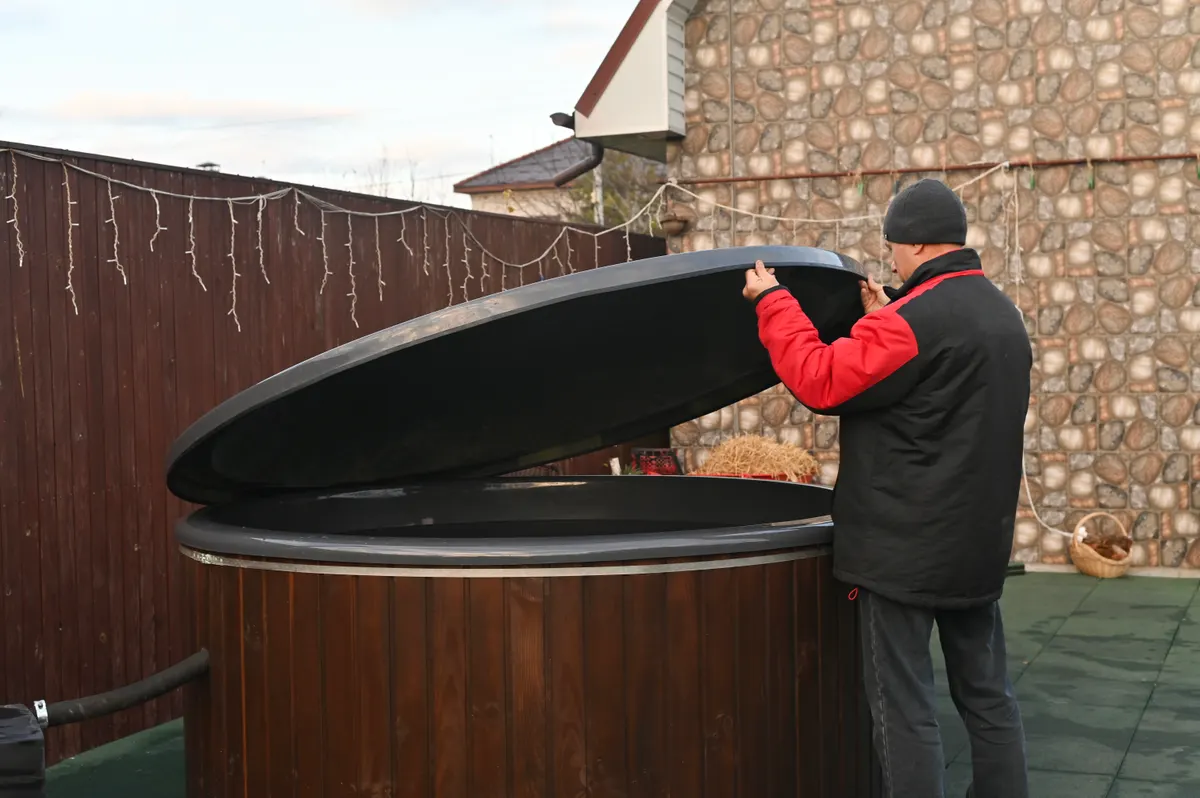
Hot tub & sauna marketing agency: backyard hot tub features wood fired stove for heating.

How a spa or sauna sale actually progresses

Hot tubs and saunas are the highest ticket items most garden stores will ever sell, and almost none of the buying decision happens on the product page. The customer is working out whether their consumer unit can take a forty amp supply, whether the slab in the garden is thick enough, whether the delivery crew can get a two metre shell down the side passage, and how much it will cost to run in January. Answer those and you shorten a sales cycle that otherwise runs for months.

We write growth plans for hot tub and sauna brands that already sell online. The plan is built around the site survey questions that decide these purchases, the freight and access reality of moving a shell or a cabin, the long consideration period that needs nurturing rather than retargeting, and the chemical and filter income that follows every tub for as long as the customer owns it.

It also treats saunas as a genuinely different product with its own heater sizing, wiring and ventilation questions rather than a smaller version of a tub.

This is a considered purchase measured in weeks or months, and it moves through three gates. The first is desire, which the imagery and the lifestyle content handle. The second is feasibility, which is where most sales die quietly. The third is trust in the aftercare, because a customer spending this much wants to know who fixes it in year three.

Feasibility is a list of physical facts. The electrical supply, whether a plug in thirteen amp model will actually heat in winter or whether a hardwired supply is needed, whether an electrician has to be booked before delivery. The base, which needs to be level and rated to carry the filled weight of the tub plus the people in it. Access, meaning the narrowest gap between the road and the final position, and whether a crane or a spa dolly is required. None of that is optional information.

Running cost is the question everyone asks and few stores answer honestly. Insulation quality, cover condition, cabinet construction and local electricity prices all matter, and a store willing to explain the variables earns more trust than one quoting a single figure.

Saunas run a parallel process with different numbers: heater output matched to room volume, the wiring that heater needs, ventilation, bench clearances and whether it goes indoors or outdoors.
Where hot tub & sauna brands
lose revenue

The four levers, in this niche.

Visitors

Visitors: catch the feasibility research, not just the browsing

A large share of the traffic worth having in this niche is searching practical questions rather than products: what base a hot tub needs, whether a plug in model is warm enough in winter, how much a swim spa weighs, what size sauna heater a room needs. Those searchers are further along than anyone browsing lifestyle imagery. We build the content that answers them, then run paid campaigns split by product line and by the season that actually drives demand, which for saunas is autumn and winter.

Conversion rate

Conversion: publish the site survey before anyone has to ask

Every product page needs the electrical requirement stated exactly, the filled weight and required base specification, the dry weight and dimensions for access planning, whether delivery is kerbside or positioned, and what a crane lift involves. Add an access checklist the customer can walk their garden with. For saunas, publish heater output against room volume, wiring, ventilation and clearances. Then give a way to book a call, because at this price a form and a phone number both convert.

Average order

Order value: everything the first month needs

A spa or sauna order should include the things the customer will otherwise buy in a panic during week one. Steps, handrail, cover lifter, insulated cover upgrade, starter chemical kit, test strips, filters, ground protection or a base kit, and delivery and positioning services. For saunas, add buckets, ladles, thermometers, backrests and stones. Bundling these as a setup package raises the order and removes a series of small frustrations that otherwise produce support calls.

Repeat purchases

Repeat purchases: the tub is a subscription in disguise

The unit sells once but the water chemistry never stops. Sanitiser, shock, pH adjusters, filter cartridges, cover cleaners and eventually a replacement cover all come back on a schedule you can calculate from the water volume and the usage they told you about. Set up a consumables programme from day one, since a customer who starts buying chemicals from a supermarket rarely comes back. Sauna owners return for stones, essential oils, replacement heater elements and cleaning products.

What we do for
hot tub & sauna brands

Five channels, one plan.

Google Shopping and search

Google Shopping and search ads for spas and saunas

Clicks are expensive and orders are rare and large, which changes how the account should be run. Shopping still matters because the tiles establish price and appearance, but the account earns its money from the qualified searches and from the consumables that follow.

Titles should carry seat count, dimensions and the electrical supply type, since Six Person Hot Tub 13 Amp Plug and Play answers a real filter in the shopper's head. Sauna titles carry person capacity, heater output and whether it is indoor or outdoor. We run separate campaigns for the units and for chemicals, filters and covers, because the second group converts quickly and cheaply and is often what makes the account profitable. Search ads target the feasibility questions and route to the guides that answer them. Delivery lead times and freight costs must be reflected accurately in shipping settings.

Meta and TikTok

Meta and TikTok ads for spas and saunas

Social creates the desire and the guides close it. What works is real installations rather than renders: a delivery being craned over a fence, a tub being positioned on a slab, steam rising on a cold evening, a sauna being used in winter. Delivery day content performs especially well because prospective buyers are anxious about exactly that moment.

Because the decision takes months, the campaign structure has to nurture rather than chase. A single retargeting ad repeated for eight weeks annoys people. A sequence that moves from lifestyle to running costs to the base and electrical guide to a booked call matches how the buyer actually thinks. Lead generation works well in this niche when the offer is a genuine buying guide or a site survey rather than a discount. Owner content and installation walkthroughs from real gardens outperform studio work at every stage.

Merchant Center and the feed

Merchant Center and the feed for spas and saunas

The feed job here is accuracy about money and time. High value freight items need correct shipping settings, and if delivery and positioning are charged separately that has to be visible before checkout rather than discovered later. Lead times should be stated honestly, because Google surfaces delivery estimates and a missed one damages the account and the customer relationship equally.

Model variants by seat count, colour of shell and cabinet, and heater option should share an item_group_id so shoppers can compare within a range. Product highlights are useful for seat count, water volume, jet count and supply requirement. Chemicals in the feed need care, since some sanitisers are restricted or regulated products in certain markets and both platform policy and shipping rules apply. Images should be clean product shots without price or promotional overlays, with installed lifestyle photography in the additional slots.

SEO and AI search

SEO and AI search for spas and saunas

This is a category where assistants are asked long practical questions, and the brand that answers them best gets recommended. How much does a hot tub cost to run, what base does a hot tub need, is a plug in hot tub warm enough in winter, what size sauna heater for a given room, can a hot tub go on decking.

We build a buying and installation hub that covers electrical supply, base construction, access and craning, running costs and winter use, written with the variables named rather than a single invented figure. Water care gets its own section, since chemistry questions bring in existing owners who then buy consumables. Saunas get parallel content on heater sizing, ventilation and materials. Product pages carry full specifications as structured text so an assistant can quote dimensions and supply requirements accurately, and each links to the accessories and chemicals for that model.

Email and SMS

Email and SMS for spas and saunas

Email carries the long middle of this sale. A nurture sequence built from the buying guide moves a prospect through feasibility over several weeks: the electrical question, the base question, access and delivery, running costs, then an invitation to talk. That sequence does more work than any retargeting budget.

After the order, the pre delivery emails matter enormously. Confirm the access survey, the crew, the timing, what the customer must have ready, and who to call. Then a first month sequence teaches water balance, filter cleaning and cover care, which prevents the cloudy water complaint that otherwise arrives in week three. From there the chemicals programme takes over on a cycle calculated from water volume and usage, with filter replacement and cover replacement prompts on longer timers. SMS suits delivery day coordination and nothing else.

First three fixes

What the plan usually starts with for hot tub & sauna brands.

  1. Electrical and base requirements left to the small print

    Shoppers cannot tell whether they need an electrician or a slab, so they stall or they order and cancel. We put the supply requirement, filled weight and base specification on every product page, add an access checklist, and explain plug in versus hardwired in plain terms rather than as a specification line.

  2. Retargeting a three month decision with the same ad

    A single reminder ad runs for weeks against a buyer who is working through feasibility, so it irritates rather than persuades. We replace it with a sequence that answers the next question in order, moving from lifestyle to running costs to installation to a booked conversation.

  3. Chemical customers lost in the first month

    The tub is delivered with a starter kit and no follow up, so the owner buys sanitiser wherever is convenient and never returns. We set up a water care programme from day one, timed to the water volume and stated usage, with filter and cover replacement on their own longer cycles.

Questions from hot tub & sauna brands

The electrical supply required, whether it runs from a standard socket or needs a hardwired circuit, the filled weight and the base specification that supports it, the dry dimensions for access planning, whether delivery is kerbside or positioned, and the lead time. Those are the facts a buyer must confirm against their own garden before spending this much.

By explaining the variables rather than quoting one figure. Insulation, cover condition, set temperature, how often it is used, ambient temperature and the customer's own electricity tariff all change the answer. Give the factors, show how to work it out with their own tariff, and be clear that a poorly insulated tub with a tired cover costs far more to run than a well insulated one.

Either can work, but it has to be visible before the basket. Kerbside delivery leaves a heavy shell at the end of a drive, which surprises people badly. Publish what standard delivery includes, offer positioning and crane services as priced options where you can, and use an access checklist so the right service is chosen before the lorry is booked.

The specification questions change entirely. Sauna buyers need heater output matched to room volume, the wiring that heater requires, ventilation, bench clearances, wood type and whether the unit suits outdoor use. The season is different too, with demand building through autumn and winter. It deserves its own content, its own campaigns and its own accessory list rather than sharing a spa template.

It is the steady half of the revenue. Sanitiser, shock treatment, pH adjusters and test strips reorder on a cycle set by water volume and usage. Filter cartridges need cleaning and periodic replacement. Covers wear out after a few years. Capturing that from the first month, with reminders timed to the customer's own tub, is what turns a single sale into an ongoing account.

Other garden & outdoor living stores we work with

Send your hot tub & sauna brand store.

The plan says which lever is leaking and what to fix first, for your store as it is today.

Store, name, email and phone. A person replies from a real inbox. Privacy

Get your free growth plan