Skip to content

Pool supply marketing agency

Marketing for pool supply stores: hazardous goods shipping on chlorine, opening and closing rushes, dosing by volume and urgent green water buying.

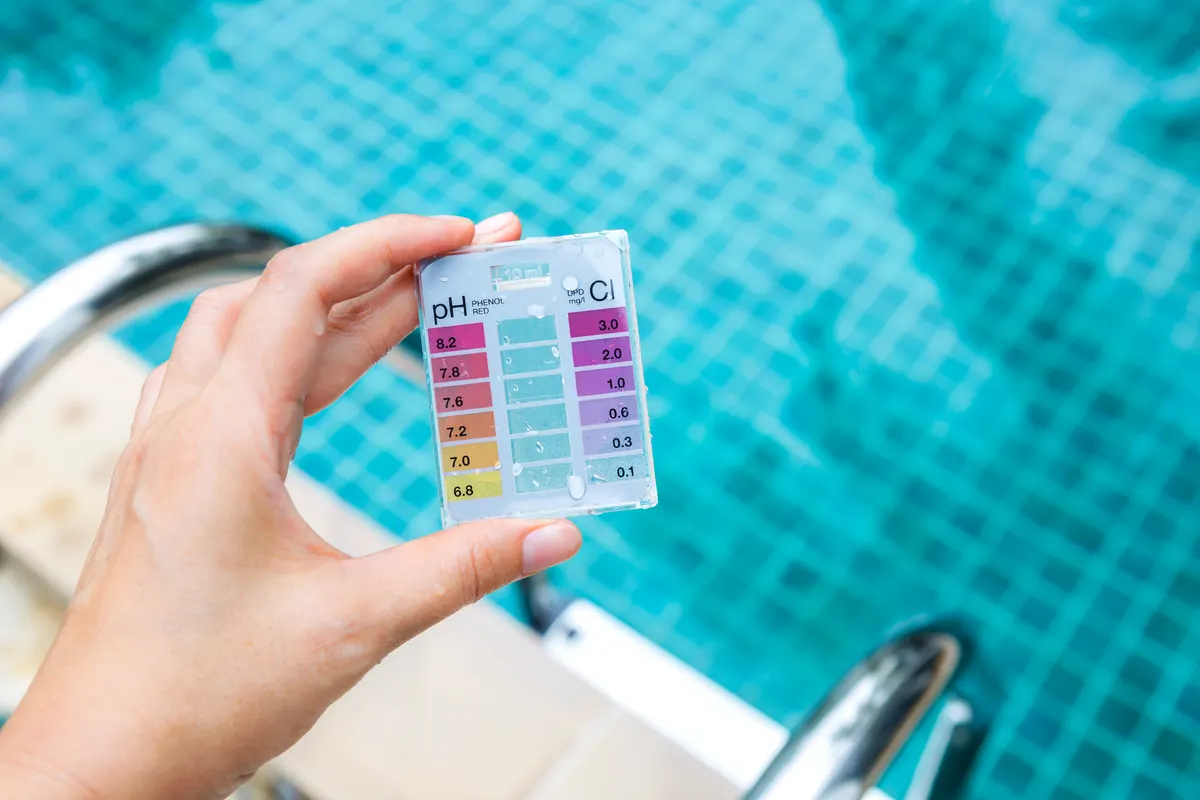
Pool supply marketing agency: girl hand holding mini water testing test kit over blurred swimming pool background.

How pool owners buy

Pool supply is a store where the customer's problem has a deadline. Green water on a Friday in July is not a browsing occasion, it is an emergency, and whoever answers the question fastest with the right product gets the order. Around those emergencies sits a highly predictable chemical cycle, two intense seasonal rushes at opening and closing, and a shipping problem that a lot of stores handle badly because chlorine and other sanitisers are treated as hazardous goods in transport.

We write growth plans for pool supply stores that already sell online. The plan covers dosing by water volume, which is the calculation behind almost every purchase, the restricted shipping rules that limit how and where chemicals can be sent, the equipment compatibility problem that decides parts sales, and the opening and closing weeks that carry a large share of the year.

It also covers the difference between above ground and inground owners, who buy differently and want different content.

Everything starts with water volume. Dose rates, filter sizing, pump selection, salt levels and cover dimensions all follow from how many litres or gallons the pool holds, and a surprising number of owners do not know the figure. A store that helps them calculate it once, and then remembers it, can size every subsequent recommendation correctly.

Buying falls into three modes. The first is the seasonal rush, when everyone opens their pool in the same fortnight and again when they close it, and demand for chemicals, covers and equipment arrives all at once. The second is routine maintenance, where sanitiser, test strips and cleaning consumables reorder through the season on a rhythm set by pool size, temperature and use. The third is the emergency, where the water has turned, the pump is leaking or the heater has failed, and the customer will pay for next day delivery without hesitating.

Equipment purchases run on compatibility. Cartridge filters need the exact element for the model, pumps must match the plumbing and the flow requirement, and replacement liners are sized to the pool. Parts sold without a compatibility check produce returns.

Above ground and inground owners diverge sharply. Above ground owners buy smaller equipment, seasonal set ups and liner replacements. Inground owners spend more, keep the pool longer, and think in terms of systems.
Where pool supply stores
lose revenue

The four levers, in this niche.

Visitors

Visitors: be there for the problem and the rush

Traffic arrives as symptoms and as calendar events. Green pool water, cloudy water, high chlorine, algae on the walls, plus opening and closing searches concentrated in a few weeks. Diagnostic pages capture the first group and seasonal collections capture the second. Paid budgets need to scale sharply for the opening and closing windows, which land at different times by region, and hold a steady presence through the season for chemical reorders and equipment failures.

Conversion rate

Conversion: dose by volume and be honest about delivery

The page has to do arithmetic the customer cannot. Give dose rates per volume, provide a pool volume calculator for common shapes, and state how much of a product a typical pool needs so the shopper buys the right quantity. Say clearly which items ship as restricted goods, where they can and cannot be delivered, and the realistic transit time, since an emergency buyer needs to know before ordering rather than after.

Average order

Order value: restricted shipments should not go out half empty

Chemicals cost more to ship because of how they must be packed and handled, so a small chemical order is rarely worth dispatching. Build season packs sized to pool volume that cover sanitiser, shock, balancers and test strips together, and add cleaning tools, filter cartridges and covers alongside. Offer bulk sizes with clear price per unit. Season opening and closing kits are the easiest large baskets in the category because the customer needs all of it anyway.

Repeat purchases

Repeat purchases: chemistry every week the pool is open

Consumption is calculable. Once you know pool volume, sanitiser type and roughly how much the pool is used, you can estimate how long a tub of tablets lasts and time the reminder before it runs out. Filter cartridges and test strips follow their own cycles, covers and liners run on multi year timelines. A store that captures the pool profile at first purchase can be right about timing for a decade, which is what keeps an owner from buying at whichever shop is nearest.

What we do for
pool supply stores

Five channels, one plan.

Google Shopping and search

Google Shopping and search ads for pool supplies

Shopping performs strongly in this niche because intent is high and many searches are for a specific product or part. Titles should carry the active chemical, the format and the quantity, so Chlorine Tablets 20g Slow Dissolve 5kg answers the search, and parts titles must name the model they fit.

Campaigns split into chemicals, equipment, parts, cleaning and seasonal covers, because their margins, seasons and shipping constraints all differ. Restricted chemicals need geographic limits matching where you can legally and practically deliver, and any product you cannot ship should be excluded rather than advertised. Budgets must be able to rise sharply for the opening and closing weeks in each region. Search ads take the emergency queries such as how to clear a green pool, where fast dispatch messaging in the copy is worth more than a price cut.

Meta and TikTok

Meta and TikTok ads for pool supplies

The strongest creative is transformation and diagnosis. A green pool cleared over three days with the products listed, a filter cartridge being cleaned properly, a cover being fitted, a test kit being read. This is a category where people genuinely do not know what they are doing, so instructional video builds both trust and demand.

Seasonal campaigns should be prepared in advance and launched at the regional opening window, since the whole audience acts within a few weeks of each other. Chemical advertising has policy constraints on some platforms, so keep claims factual and avoid health or safety promises. Prospecting targets homeowners with pools, which is a definable audience, and retargeting is best served with the season kit or the diagnostic guide rather than a single tub. Off season content about covers, winterising and equipment upgrades keeps the audience warm.

Merchant Center and the feed

Merchant Center and the feed for pool supplies

This feed lives or dies on shipping accuracy and restrictions. Sanitisers such as chlorine tablets and granular shock are classed as hazardous for transport, which limits carriers, packaging and destinations and rules out air services. Those products need restricted shipping settings and regional limits in the feed, not a standard rate, and anything you cannot deliver should be excluded so you are not paying for clicks you must refund.

Quantity variants matter because these products are bought in several pack sizes, so group them by item_group_id with the weight stated and the price per unit comparable. Parts need the compatible model in the title and in product highlights, since that is how owners search. Some chemical products face advertising policy restrictions, so check what can be promoted before adding it. Images should be clean pack shots with no promotional overlays.

SEO and AI search

SEO and AI search for pool supplies

Pool owners ask assistants urgent, specific questions all summer. How do I clear a green pool, how much chlorine for a given volume, why is my water cloudy after shocking, what order do I balance chemicals in, when should I close my pool.

We build a water chemistry hub explaining sanitiser, pH, alkalinity, calcium hardness and stabiliser with dosing arithmetic the reader can repeat with their own volume, a troubleshooting section organised by what the water looks like, and opening and closing guides written as step sequences with the products named at each step. A volume calculator earns links and gets used repeatedly. Equipment content covers filter types, pump sizing and cartridge cleaning. Safety guidance on storing and handling pool chemicals is essential and should be written carefully, since mixing certain products is genuinely dangerous.

Email and SMS

Email and SMS for pool supplies

The pool profile is the foundation. Capture volume, type, sanitiser system and equipment models at the first order, and every message afterwards can carry the right quantity and the right part number.

The season structure writes itself. An opening sequence goes out a few weeks before the local window with a kit sized to the customer's pool. Through the season, sanitiser reorder reminders are timed to estimated consumption, with hot weather prompts when demand rises. A closing sequence covers winterising steps, cover fit and the chemicals needed. Off season is the right moment for equipment upgrades and liner replacement, when the customer is not in a rush. Post purchase emails should carry handling and storage safety information for chemicals. SMS suits emergency dispatch confirmations and short seasonal deadlines.

First three fixes

What the plan usually starts with for pool supply stores.

  1. Restricted shipping discovered after payment

    Chemicals are listed as if they post like anything else, then the order is cancelled or delayed because of hazardous goods handling. We mark restricted items on the product page with realistic transit times, limit them to deliverable regions in the feed and in targeting, and explain the rules on a shipping page customers can find.

  2. No pool volume anywhere in the account

    Every recommendation depends on how much water the pool holds, yet nothing in the store asks or remembers it. We add a volume calculator, capture the figure with the first order, and use it to size every product recommendation, quantity suggestion and reorder reminder afterwards.

  3. Parts listed without compatibility

    Filter cartridges and pump components are sold with generic names, so customers order the wrong item and return it. We put the compatible make, model and year in the title and highlights, build a parts finder, and link parts from the equipment pages they belong to.

Questions from pool supply stores

As restricted goods, because that is what they are in transport. Sanitisers such as chlorine tablets and granular shock require specific packaging and ground handling, cannot go by air, and are refused to some destinations. Set restricted shipping profiles, limit those products by region in the feed and in ad targeting, and state realistic transit times on the page before the order is placed.

A pool volume calculator. Dose rates, equipment sizing and quantity recommendations all depend on the number of litres or gallons, and most owners do not know it. Capturing the figure once lets the store recommend the correct quantity every time afterwards, which reduces both under dosing complaints and returns from over ordering.

By being the fastest useful answer. A customer facing green water searches a symptom, not a product, so the diagnostic page has to load, explain the cause, give the treatment sequence and let them buy the whole set in one action. Dispatch speed and a clear delivery date matter more than price at that moment, so say both plainly.

Different enough to deserve separate content and collections. Above ground owners buy smaller equipment, seasonal setups and liner replacements, and often dismantle or cover for winter. Inground owners spend more, keep the pool for years, and buy systems such as heating, automation and salt chlorination. Their questions, budgets and seasons all differ, so serving them from one generic set of pages loses both.

Opening and closing, both compressed into a few weeks and both shifting by region and by that year's weather. Almost every owner in an area acts within the same short window, which means stock, campaigns and email must be ready before it starts. The rest of the season is steadier reorder demand punctuated by heatwaves and equipment failures.

Other garden & outdoor living stores we work with

Send your pool supply store store.

The plan says which lever is leaking and what to fix first, for your store as it is today.

Store, name, email and phone. A person replies from a real inbox. Privacy

Get your free growth plan