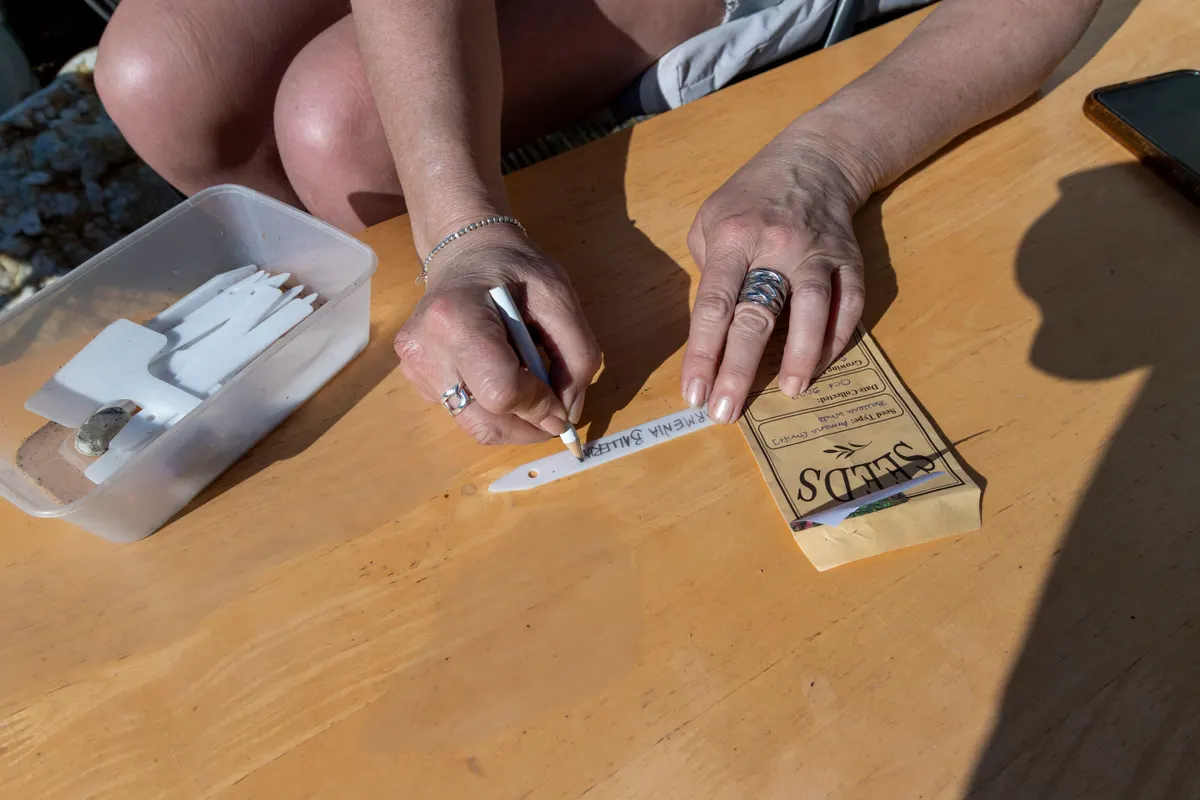
A seed company sells a two pound product that has to justify a shipping charge, in a buying window that opens after the shortest day and is mostly closed by the end of spring. The economics only work if the average order carries several packets and something heavier alongside them, and the timing only works if your catalogue, your content and your ads are live before the first seed order of the year rather than after it.
We write growth plans for seed companies that already sell online. The plan is built around the things that actually move a seed order: sowing dates relative to the customer's last frost, days to maturity, germination rate and the packet season, the difference between an heirloom, an open pollinated line and an F1 hybrid, and the export and phytosanitary rules that decide which countries you can post to.
It also deals with the two structural problems here. Baskets are small, and most of the year's revenue arrives in about ten weeks.
Seed buying is planning, not shopping. A gardener sits down in winter with a plot in mind and builds a list: what to grow, how much of it, when to start it indoors, when it can go out. The order is assembled over several sessions and several tabs, which is why an abandoned basket in this niche is usually still alive and worth an email.
The decisive information is the sowing window and the days to maturity, because both are relative to the customer's frost dates and to the length of their season. A short season gardener needs an early tomato and knows it. Someone in a mild coastal climate can sow a second crop in August. A page that gives a generic sow in spring instruction is no use to either.
Trust comes from the packet details. Germination rate, the season the lot was tested, the count or weight in the packet, whether the seed is treated, organic certified, open pollinated or a hybrid. Experienced growers read all of that. Beginners read none of it but respond to the same page being clear.
The basket is the problem. A handful of packets rarely covers picking, packing and postage, so the merchandising job is to attach the things the sowing actually needs: modules, compost, labels, a heat mat, a propagator lid.