A greenhouse is a building and a grow tent is a room, and both are sold to people who are quietly worried about whether they can actually put one up. Before they compare prices they want to know whether it needs a base, whether it needs planning permission, whether it will survive the wind that comes off the field behind their house, and whether a lorry can get down the lane. A store that answers those in writing sells the frame. A store that does not gets the research visit and loses the order.
We write growth plans for greenhouse and grow tent stores that already sell online. The plan covers the specification arguments that decide these purchases, glazing choice, frame gauge, snow and wind loading, tent height and footprint, the freight and damaged panel realities of shipping large flat boxes, and the ad policy care that indoor growing equipment requires.
It also covers the part most stores underuse, which is that every tent and every greenhouse creates a list of things the customer must buy next.
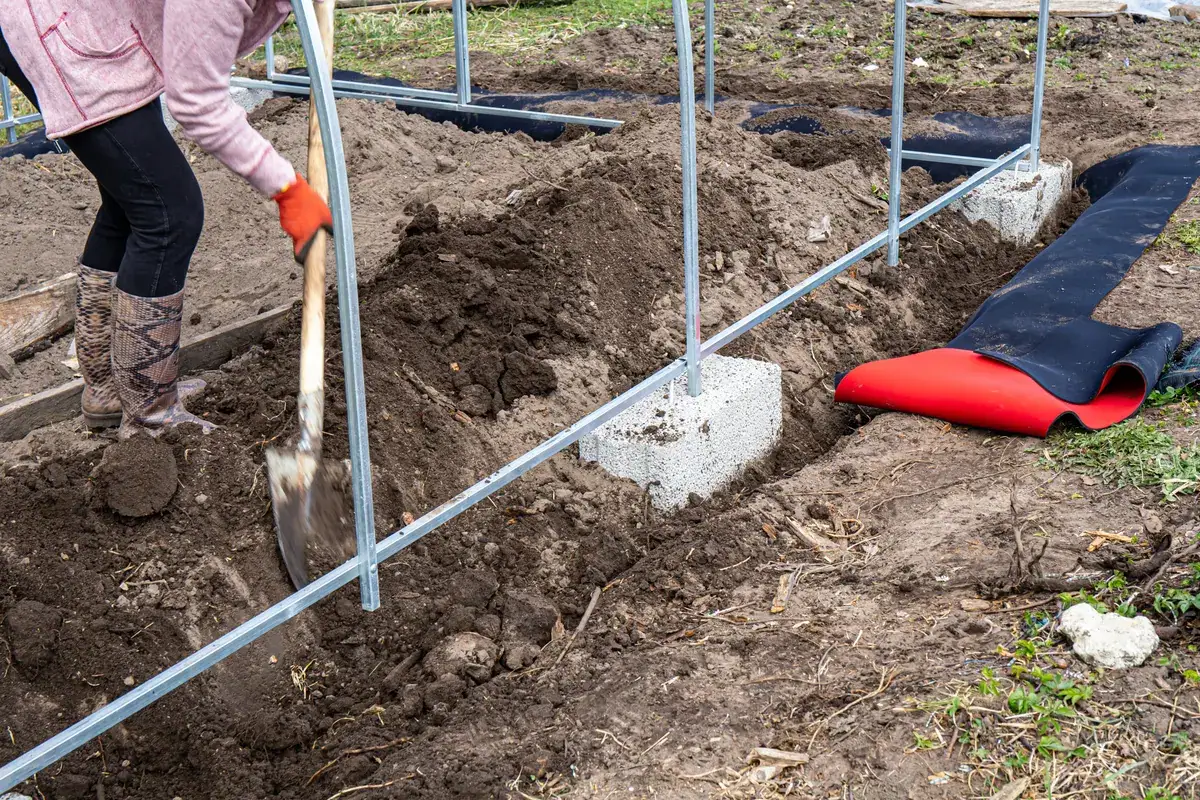
These are researched purchases with a long gap between first visit and order, and the research is almost entirely about site and installation. How level does the ground have to be. Do I need a concrete pad or will a timber base do. What are the anchoring points. How much clearance is needed to open the door and the vents. Can I put this against a fence.
Structural rating decides the shortlist for anyone who lives somewhere with weather. Snow load, wind rating, frame gauge and glazing thickness are compared directly, and a store that publishes them beats one that describes a greenhouse as sturdy. The same buyer wants to know what happens if a polycarbonate panel arrives cracked, because flat packed glazing is the most damage prone freight in the garden category.
Grow tent buyers think in footprints. A four by four, a two by four, a four by eight. That number governs everything else they will buy, because the light, the fan, the filter and the pots all have to suit the tent size. The customer who understands that is really buying a system, and the store that presents it as a system gets the whole spend instead of one item.
Permission is the last question. Many domestic greenhouses fall under permitted development but not all sites do, and shoppers search for that answer before they buy.