Skip to content

Shed & outdoor structure marketing agency

Marketing for shed and outdoor structure brands: permits and setbacks, base preparation, kerbside freight, lead times and assembly expectations.

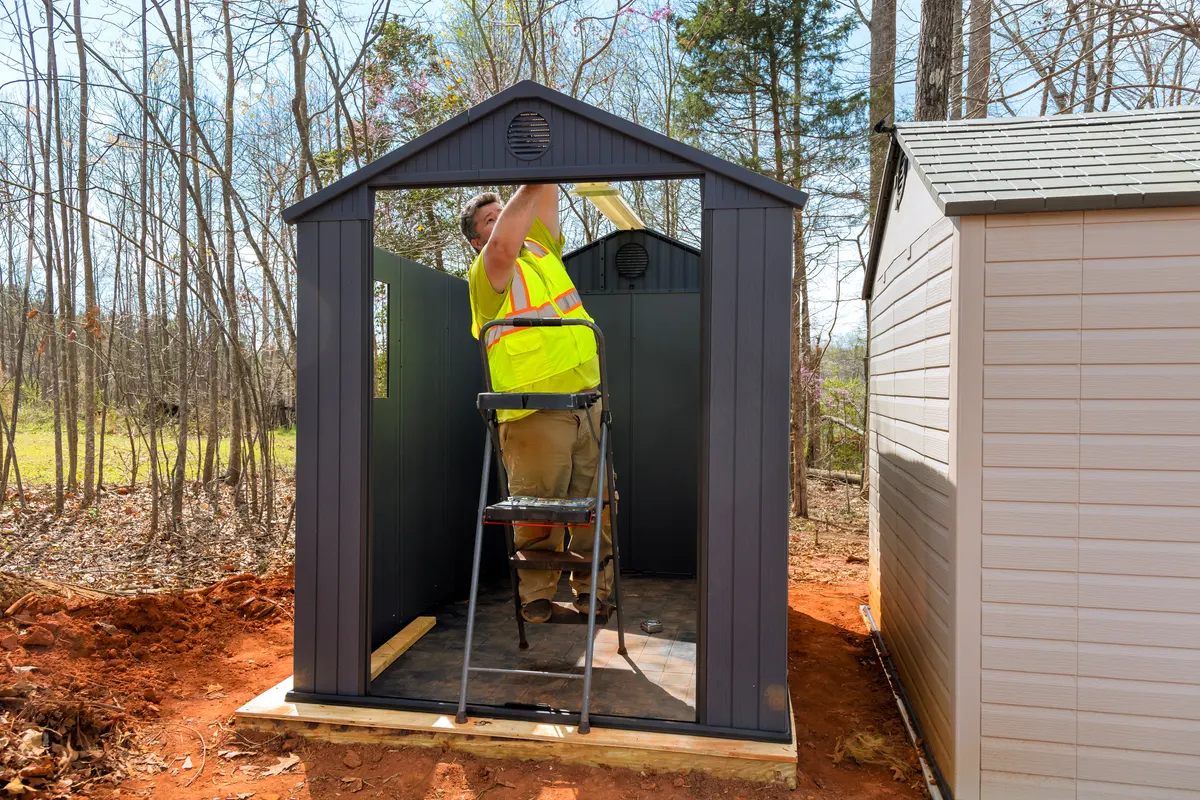
Shed & outdoor structure marketing agency: worker assembling storage shed in clearing surrounded by trees during daylight hours.

How a garden building is chosen

A shed is bought once, delivered on a lorry and then lived with for twenty years, and almost everything that goes wrong with the sale happens between the order and the assembly. The customer did not know they needed a level base. Nobody told them the delivery is kerbside and the pallet weighs a great deal. The lead time was six weeks and they expected six days. The felt and the floor were extra. Each of those is a marketing failure before it is a logistics one.

We write growth plans for shed and outdoor structure brands that already sell online. The plan is built around base and siting preparation, planning permission and boundary rules that customers search before they buy, honest freight and lead time communication, and the configuration process that turns a size decision into a complete order.

It also covers the range beyond sheds, since summerhouses, log cabins, garden offices, carports and bike stores all attract different searches and different buyers.

The first decision is what it is for, and that determines everything after it. Storage means cheap, dry and secure. A garden office means insulation, power, windows and a floor you can heat. A summerhouse is judged on how it looks from the house. A bike store is judged on capacity and lock points. A brand that groups its catalogue by purpose sells better than one that groups by dimension alone.

Then come the site questions, and they are the ones that stall orders. Is the ground level. Does it need a concrete slab, paving or a timber frame base. How far from the boundary can it go. Does the height matter. Is planning permission needed, which in many places depends on size, height, position and whether the property has particular designations.

Material is the next argument. Timber needs treating and looks right in a garden. Metal is secure and low maintenance. Plastic and resin do not rot and need no finishing. Each has a real trade off and buyers want it explained without marketing gloss.

Finally, what actually arrives. Flat packed panels on a pallet at the kerb, sometimes with roof covering, floor, guttering and anchors sold separately, and an assembly that needs two people and most of a weekend.
Where shed & outdoor structure brands
lose revenue

The four levers, in this niche.

Visitors

Visitors: catch the purpose search and the rules search

People search by use and by dimension, so garden office, bike store, potting shed, eight by six shed and log cabin all need to be real collections rather than filters. A second and larger stream searches the rules before the product, asking about permitted development, boundary distance and base requirements. Publishing that guidance brings in buyers early in a long decision. Paid budgets follow the spring and early summer build season with a second wave in early autumn.

Conversion rate

Conversion: say what arrives, when, and what is needed first

Publish external and internal dimensions, ridge and eave height, door opening width, cladding thickness, timber treatment, whether floor and roof covering are included, the base requirement, assembly time and how many people it needs. State the lead time honestly and describe kerbside delivery plainly, including pallet weight and what the customer must have ready. Offer an installation service where you can, and show the tools required so nobody starts on a Saturday without a drill.

Average order

Order value: a building is never just a building

The order should include the base kit or foundation, anchors, roof covering if not supplied, guttering and a water butt, treatment or paint, shelving and hooks, a security hasp and lock, and an installation service if offered. For garden offices add insulation, electrical first fix and flooring. Because a lorry delivery costs the same whether it carries the extras or not, attaching accessories to the original order is far more efficient than selling them later.

Repeat purchases

Repeat purchases: maintenance and the second structure

The building itself does not repeat, but timber needs retreating every year or two, felt needs replacing, hinges and locks fail, and shelving and storage get added as the space fills. A maintenance calendar keyed to the material and the install date brings customers back with something genuinely useful. Many owners also add a second structure later, a log store, a bike shed, a greenhouse, and a customer who had a smooth first delivery will come straight back for it.

What we do for
shed & outdoor structure brands

Five channels, one plan.

Google Shopping and search

Google Shopping and search ads for garden buildings

Dimension searches dominate, so titles must lead with size and type. Apex Wooden Shed 8ft x 6ft Shiplap with Floor gives the tile everything it can use. Campaigns split by structure type, since sheds, summerhouses, log cabins, garden offices, greenhouse adjacent structures, carports and bike stores are different purchases with different values.

Because order values are high and considerations are long, the account should be judged over a longer window than a click date. Search ads handle the research queries about permission, bases and materials and lead to guides rather than products, which brings people into the decision early. Shipping settings must reflect real freight costs and lead times, since a large item with an inaccurate delivery estimate produces cancellations. Accessories and treatments deserve their own smaller campaign with a longer season.

Meta and TikTok

Meta and TikTok ads for garden buildings

Transformation is the format that works. An empty corner of a garden becoming a workshop, a garden office being finished and used on a wet Monday, a base being laid and the building going up over a weekend. Assembly content is unusually persuasive because the biggest unspoken objection is whether the customer can actually build it.

Garden offices deserve their own creative and their own audience, since the buyer is thinking about working from home rather than about garden storage, and the price point supports a longer nurture. Delivery day content answers the freight worry directly by showing the pallet, the unloading and the panels. Prospecting targets home improvement, remote working and property interests, and retargeting should serve the base guide or the permission explainer rather than a discount, because hesitation here is practical.

Merchant Center and the feed

Merchant Center and the feed for garden buildings

The two feed priorities are dimensions and delivery truth. Size should appear in the title and in the size attribute, and models offered in several footprints belong under one item_group_id so a shopper sees the one they chose. Door position, cladding type and window options are legitimate variants where you sell them.

Freight settings need accurate weights, dimensions and shipping labels so oversized rates apply correctly, and lead times must be declared honestly because Google shows delivery estimates and an unrealistic one damages both trust and account health. Where installation is a paid option, it should be described on the page rather than appearing as a surprise. Accessories such as base kits, anchors and treatments belong in the feed and convert well alongside the main purchase. Images should be clean product renders or photographs without text overlays, with in garden photography in the additional slots.

SEO and AI search

SEO and AI search for garden buildings

This category is dominated by rules and preparation questions, which is exactly what assistants are asked. Do I need planning permission for a shed, how close to the boundary can it go, what base does a shed need, is a concrete slab necessary, how long does a wooden shed last, can I put a garden office at the bottom of the garden.

We build a planning and siting hub that explains the general framework of permitted development, height limits, boundary distances and the situations that change the answer, written carefully and always directing readers to their own local authority for a decision. Base preparation gets its own detailed guide covering slab, paving, plastic grid and timber frame options. Material comparison content covers timber, metal and resin honestly. Product pages carry full dimensions and inclusions as structured text so assistants can answer size and specification questions accurately.

Email and SMS

Email and SMS for garden buildings

Because the decision runs for weeks, the pre purchase sequence is the most valuable email in the programme. Capture the address with a base and planning guide, then send the questions in the order the buyer meets them: what size, what material, what base, what permission, what arrives on the day.

After the order, delivery communication prevents most complaints. Confirm the lead time, then send a pre delivery message covering the date window, the pallet, kerbside handling, what space is needed and what to check before signing. An assembly sequence with the tools list and common sticking points reduces support calls dramatically. Then the maintenance calendar takes over, timed to the material and the install date, prompting treatment before winter and felt checks after storms. SMS is best used for delivery windows and driver updates.

First three fixes

What the plan usually starts with for shed & outdoor structure brands.

  1. Base requirements mentioned only in the assembly manual

    Customers order without knowing they need a level, load bearing base, then cannot build on delivery day. We put the base requirement on the product page with the options explained, sell base kits alongside, and repeat the requirement in the order confirmation and the pre delivery email.

  2. Kerbside delivery described as delivery

    A heavy pallet is left at the end of a drive and the customer is unprepared to move it, which turns into a complaint and sometimes a refusal. We describe exactly what the delivery includes, what the customer must arrange, and offer paid positioning or installation where it is available.

  3. Lead times hidden until after payment

    Made to order buildings take weeks while the site implies stock availability, so orders are cancelled in the first fortnight. We publish honest lead times per product, reflect them in the feed, and send a confirmation that repeats the expected date so the wait is understood rather than discovered.

Questions from shed & outdoor structure brands

Explain the framework without claiming to know the reader's local position. In many places a garden building falls under permitted development subject to limits on size, height, position relative to boundaries and the total area covered, with exceptions for designated land and listed properties. Publish that clearly, describe the situations that change the answer, and direct readers to their local authority for a decision.

A level, load bearing base sized correctly for the building, access for the delivery vehicle, and someone available to receive a heavy pallet. Because most deliveries are kerbside, the customer also needs a way to move panels to the site. Saying all of this on the product page and again in a pre delivery email prevents the most common complaint in the category.

It depends on the use and the trade offs should be stated honestly. Timber looks right in a garden and can be insulated and altered, but needs regular treatment. Metal is secure and low maintenance but can condensate without ventilation. Resin does not rot and needs no finishing but is harder to modify. Publishing an honest comparison sells more than promoting one material.

As a different product to a different buyer. Garden office customers care about insulation, power supply, windows, heating, internet and how it feels to work in on a wet day, not about storage capacity. The price point is higher and the decision longer, so it deserves its own collections, creative, nurture emails and content about the practical questions of working at the bottom of the garden.

Where you can offer it, yes, and it should be visible at the point of purchase rather than afterwards. A significant group of buyers will pay to avoid a weekend of assembly, and offering it raises the order value while removing the objection that stops others buying at all. If you cannot offer it, publish the assembly time, the number of people needed and the tools required.

Other garden & outdoor living stores we work with

Send your shed & outdoor structure brand store.

The plan says which lever is leaking and what to fix first, for your store as it is today.

Store, name, email and phone. A person replies from a real inbox. Privacy

Get your free growth plan