Skip to content

Orthopedic support marketing agency

Growth for brace and support brands: sizing that stops exchanges, claim-safe pages, feeds with left and right variants, and the second unit customers need.

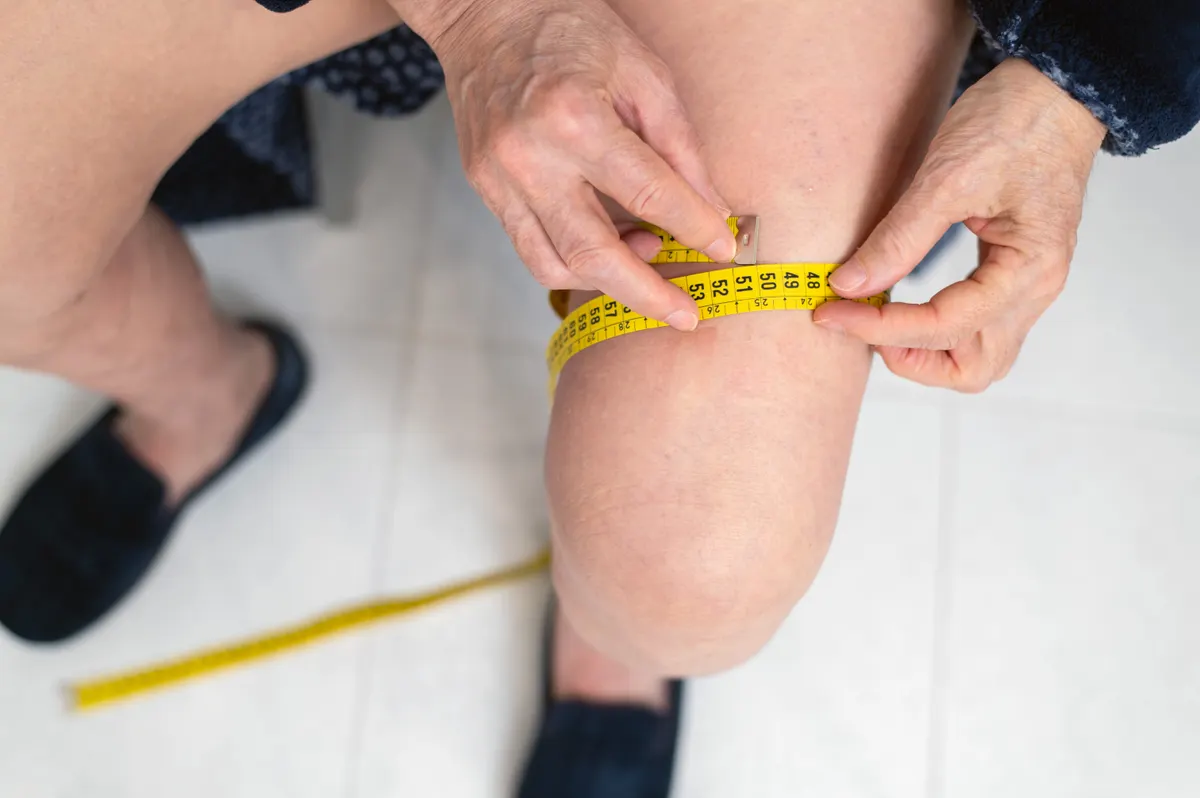
Orthopedic support marketing agency: close up view of an elderly woman measuring the circumference of a swollen leg with a tape measure to monitor lymphedema progression and support ongoing medical care, treatment planning, and symptom management at home.

Why the size chart decides the order

In braces and supports, sizing is the business. Get the measurement guidance right and the store runs on ordinary margins with manageable returns. Get it wrong and every campaign funds an exchange, because a support that does not fit is useless to the customer and expensive to take back.

We work with orthopedic support brands already selling online, across knee, ankle, wrist, back, elbow and shoulder supports, post operative products and compression garments. The free written growth plan says which of the four numbers is limiting the store and what we would change first, for a base fee plus growth share, month to month.

The second thing that shapes this niche is language. A support that is described as treating a condition is being sold as something other than a support, and platforms review those pages closely under their healthcare policies. Describing the construction, the fit, the range of movement it allows and the situations it is designed for keeps the pages honest, keeps ads running, and is what a shopper who is already in discomfort is trying to find out.

This shopper is usually buying under mild pressure. Something hurts, or a clinician mentioned a support, or surgery is coming up, and they want the right one delivered quickly. They are not browsing.

The first thing they need is to know they can measure themselves correctly. A chart that says small, medium and large without saying where to put the tape measure is useless, because knee circumference measured above the kneecap and around the middle of it give different answers. Telling them exactly where to measure, in which position, and what to do when they fall between two sizes is the single highest value piece of copy on the page.

Then they check the construction: hinged or sleeve, open or closed patella, strap arrangement, whether it fits left or right or either, breathability of the material, and whether it can be worn under clothes or under a boot.

They look for the returns policy next, because a support is worn against the skin and they want to know what happens if the size is wrong. A clear exchange path for an unworn item, stated plainly, sells more than a discount.

In the United States many will also want to know whether the product is eligible for a health spending account and whether the receipt will be itemised for a claim.
Where orthopedic support brands
lose revenue

The four levers, in this niche.

Visitors

Visitors: body part, construction and situation

Searches here name the body part and then a qualifier: hinged knee support, open patella sleeve, wrist splint for keyboard use, back support for lifting. We build campaigns on those combinations rather than on broad terms, and cover the same language on collection pages. Demand also rises around the times people take up activity again, so the calendar has a rhythm worth planning against rather than a flat spend.

Conversion rate

Conversion: measure here, in this position

The sizing block moves to the top of the page with an illustration of where to measure, a note on posture during measurement and a rule for people between sizes. Left, right or either is stated explicitly. Construction, materials, washing and whether it fits under clothing follow. The returns and exchange policy for an unworn item sits beside the buy button, because that is the reassurance this shopper needs before committing.

Average order

Order value: the second unit and the pair

Most people who wear a support daily eventually want a second one so they can wash the first, which is a natural addition rather than a hard sell. Straps, replacement pads and washing bags add small amounts reliably. Where a product exists in both a day and a night version, or a rigid and a soft one, pairing them on the page raises the order more than any discount code would.

Repeat purchases

Repeat purchases: supports wear out

Elastic and compression fabrics lose their tension with washing and wear, so a support bought this year is not the same product in eighteen months. We build a replacement reminder based on that cycle and on how heavily the customer said they use it, plus a message covering washing and care that extends the product's life and earns the goodwill. Customers who had surgery are also served by a follow up when the recovery stage changes.

What we do for
orthopedic support brands

Five channels, one plan.

Google Shopping and search

Shopping and search on body part plus construction

Shopping performs well here because the intent is specific and immediate. Someone searching for a hinged knee brace in a particular size is buying today, and the listing that shows the right image and a price wins it.

Campaigns are split by body part first, then by construction and by use, since the price and margin of a rigid brace and a compression sleeve are not comparable. Size is a variant, not a campaign, but it must be correct in the feed or the click lands on an unavailable option.

Ad copy stays with what the product is and how it fits. Hinged, adjustable, breathable, available left or right, size range, free exchanges. Claim language about healing or treating gets the landing page reviewed under Google's healthcare policy and adds nothing that the fit description does not already do better.

Meta and TikTok

Meta and TikTok without addressing someone's injury

Meta will not accept copy that implies you know the viewer has an injury or a condition, which rules out the obvious opening line. The workable angle is the product and the fitting.

What performs is demonstration: the support being put on correctly, the straps adjusted in order, a tape measure showing where to measure, the difference between two constructions shown side by side on a leg, how it sits under trousers. Fitting content is genuinely useful, gets saved and shared, and answers the question that stops orders.

Creator content needs the same restriction, because a creator describing their own injury and recovery cannot be used as an ad. We ask for fitting demonstrations and practical use instead, and keep testimonial style content on organic channels where the rules are different.

Merchant Center and the feed

Feeds where size and side are the whole listing

A supports feed lives or dies on variant data. Size, size system, side, colour and construction all need to be present per item, with the correct item group ID, price and availability, so a shopper clicking a large left knee brace gets exactly that.

Size charts belong in the description as text, not only as an image, because the listing needs to communicate the measurement method before the click.

Category choice matters too. These products can sit in apparel style categories or in medical supply categories, and the choice affects which attributes are required and which policies review the item. We set it deliberately rather than accepting a default. Where a product is registered as a medical device in a market, the listing and page have to reflect that accurately rather than reaching for stronger language than the registration supports.

SEO and AI search

SEO and AI search on fit and construction questions

The questions are practical and answerable. How do I measure for a knee support, does this fit left or right, is the patella open or closed, can it be worn under trousers, can it go in the washing machine, what size do I take if I am between measurements, is it eligible for a health spending account.

Those belong in text on the product page, where an assistant can quote them and a shopper can find them without contacting anyone.

Collections are organised by body part and construction. The content that earns links is fitting and care guidance: how to measure each joint, how to wash compression fabric without ruining it, how to tell when a support has lost its tension, what to ask a clinician before buying. We do not publish content that diagnoses or recommends treatment, which keeps both the pages and the ad account safe.

Email and SMS

Email and SMS around fit, care and replacement

The most valuable message goes out immediately after delivery: how to put the support on correctly, in what order to tighten the straps, how tight is right, and what to do if the size feels wrong. Fitting errors are read as product faults, and this message prevents a large share of returns.

A washing and care message follows, since compression fabric treated badly loses tension quickly and a customer who thinks the product wore out early does not come back.

Later, a replacement reminder based on the wear cycle, and an offer of a second unit for laundry rotation. Review requests ask about fit against the size chart, which is the review the next shopper reads first. SMS handles dispatch and exchange updates, both of which are time sensitive for someone waiting on a support.

First three fixes

What the plan usually starts with for orthopedic support brands.

  1. Size charts without a measuring method

    Small, medium and large mean nothing without telling the customer where to put the tape, in what position and what to do between sizes. We rewrite the chart with the measurement point illustrated and the between sizes rule stated, which cuts exchanges directly.

  2. Left and right collapsed into one listing

    When side is not a real variant, the ad shows a price for a product the shopper cannot buy in the version they need, and the return is inevitable. We rebuild the feed so side, size and construction each have their own row with accurate availability.

  3. Product pages written as treatment

    Copy that says a support heals or treats a condition invites platform review and overstates what a fabric sleeve can do. We rewrite pages around construction, fit, movement allowed and use situations, which is what the shopper is trying to establish anyway.

Questions from orthopedic support brands

Enough that someone can measure themselves alone, at home, on the first attempt. That means the exact measurement point, the position to stand or sit in, whether the tape should be snug or loose, and a clear rule for people who fall between two sizes. It is the highest return copy on the whole site because every mistake costs a return and a refund.

Describe the situation and the movement, not the diagnosis. Saying a brace limits sideways movement, has a hinge with adjustable stops, and is designed to be worn during activity is factual and useful. Saying it treats a named condition invites review under healthcare policies and claims more than a support can honestly claim.

With a policy that is strict but stated plainly. Most stores accept unworn returns in original packaging and exchange on size, and saying that clearly converts better than a vague policy. The exchange path should be visible on the product page, because the fear of being stuck with the wrong size is the main hesitation before checkout.

In the United States they do. Many customers want to know whether a support can be paid for from a health spending account and whether the receipt will itemise the purchase for a claim. Answering that on the product page and in the order confirmation removes a support enquiry and often decides where the order goes.

A second unit for laundry rotation first, then a replacement once the fabric loses tension. Compression and elastic materials weaken with washing and wear, so the timing follows use rather than a calendar month. We ask how often it is worn, then time the replacement reminder from that answer rather than guessing.

Other health & wellness stores we work with

Send your orthopedic support brand store.

The plan says which lever is leaking and what to fix first, for your store as it is today.

Store, name, email and phone. A person replies from a real inbox. Privacy

Get your free growth plan