Skip to content

Cookware & kitchenware marketing agency

Marketing for cookware and kitchenware brands: hob compatibility and oven limits on the page, sets against open stock, knife ad rules and gifting planned early.

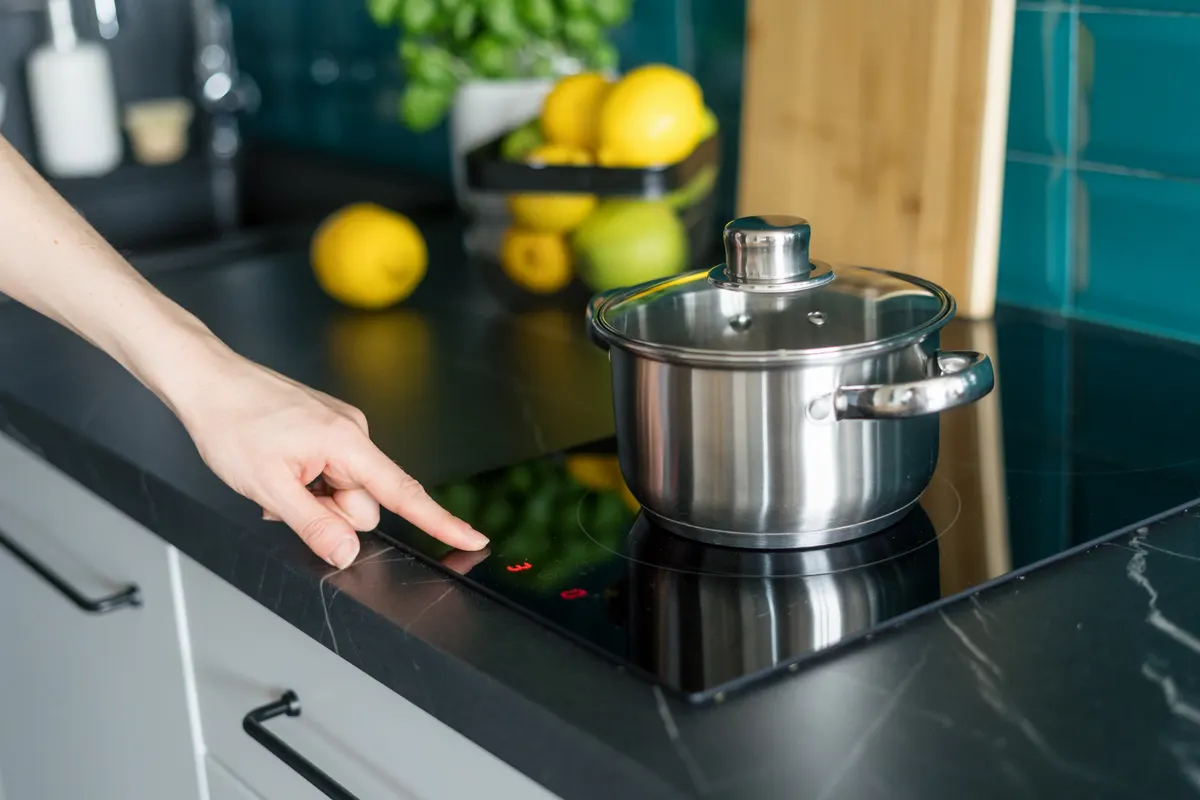
Cookware & kitchenware marketing agency: woman turn on electrical stove in modern kitchen.

How cookware gets chosen

The first question a cookware shopper has is whether the pan will work on their hob. The second is whether it can go in the oven and how hot. The third is whether the coating will still release an egg in two years. A beautiful photograph answers none of them.

We write growth plans for cookware and kitchenware brands that already sell online. The plan gets the compatibility facts onto the product page and into the feed, because induction, oven temperature and dishwasher safety are the specifications that decide the order.

Then it handles the two commercial facts of this category. Sets are how order value moves and open stock is how customers come back, so both have to exist and both have to be findable. And gifting carries a large share of the year, which means the final quarter is planned in summer rather than reacted to in November.

Cookware is bought as an upgrade or as a replacement. The upgrade buyer is cooking more and wants better tools. The replacement buyer's non stick has stopped releasing, a handle has worked loose, or they have moved into a kitchen with an induction hob and nothing they own works on it.

Compatibility comes first. Induction needs a magnetic base and shoppers have learned to check. Then the oven safe temperature, which depends on the handle as much as the body, and whether the lid can go in as well.

Material is the real decision and it is a set of trade offs rather than a ranking. Stainless clad browns well and lasts. Carbon steel and cast iron want seasoning and repay it. Non stick is easy and finite. Ceramic coatings behave differently again. Shoppers want that explained honestly rather than sold.

Size confuses people, because a frying pan is usually measured across the rim while the useful cooking surface is the base. Give both, and give capacity in litres for pots.

Then care. Dishwasher or hand wash, metal utensils or not, how to season, what the warranty covers and for how long.

Knives carry their own layer, with steel, sharpening and advertising restrictions most brands meet the hard way. Gifting drives the final quarter and weddings drive the summer.
Where cookware & kitchenware brands
lose revenue

The four levers, in this niche.

Visitors

Visitors: compatibility and technique searches

Cookware demand arrives as specification queries and cooking queries at the same time. Induction frying pan 28cm, oven safe stainless saute pan, carbon steel wok for a gas hob, best pan for searing steak. Titles and collection pages that carry the material, the diameter and the hob type answer the first group. Technique and recipe content answers the second and brings people in months ahead, which matters in a category where the purchase is often triggered by wanting to cook something specific.

Conversion rate

Conversion: the specification block wins the sale

The page needs hob compatibility including induction, oven safe temperature with the lid handled separately, rim and base diameter, capacity in litres, weight, handle material, whether it is dishwasher safe, whether metal utensils are allowed, and the warranty terms. Add care instructions and seasoning guidance where the material needs it. Video of the pan in use, browning something, does more than any styled kitchen shot, because the shopper is judging performance rather than appearance.

Average order

Order value: sets, lids and the things people forget

Sets are the fastest way to move the average order in this category, but they only work if the contents are spelled out piece by piece with sizes. Beyond sets, the natural attach items are lids, pan protectors, seasoning oil, a sharpening stone, trivets and utensils that suit the surface. Bundles built around a way of cooking, a roasting bundle or a baking bundle, sell better than bundles built around a material. Registry and gift wrapping options add value in the wedding and holiday windows.

Repeat purchases

Repeat purchases: open stock and coatings that wear

Cast iron outlives its owner and non stick does not, and the plan should treat those differently. Non stick buyers are on a replacement cycle you can measure from your own reorder data. Everyone else comes back for open stock: the next pan size, a lid, a piece missing from the set they were given. Record what a customer owns so you can recommend what completes it. Care content and recipes earn the right to speak in between, and knife owners need sharpening prompts.

What we do for
cookware & kitchenware brands

Five channels, one plan.

Google Shopping and search

Google Shopping and search ads for cookware

Titles carry the piece, the material, the size and the compatibility: Tri Ply Stainless Frying Pan, 28cm, Induction Safe, or Cast Iron Casserole, 4.7L, Oven Safe to 260C. Diameter and induction in the title win searches that decorative listings miss.

Split campaigns by piece type and separate sets from open stock, since a full set and a single lid have nothing in common on cost per click or on margin. Bakeware, knives, utensils and small appliances all deserve their own structure.

Knives need care. Advertising policies treat blades as a restricted category in several markets and formats, so check what your feed is allowed to show where you sell before budget goes behind it.

Search ads answer the compatibility questions directly: pans that work on induction, oven safe to a stated temperature, non stick without a certain coating. Negatives clear catering supply, camping, spare parts and cookware repair unless you serve them.

Meta and TikTok

Meta and TikTok ads for cookware

Cookware creative should be cooking, not styling. A steak going into a hot pan and the sound it makes. An egg sliding across a surface. A pan going from hob to oven. Carbon steel changing colour as it seasons. Those clips answer the performance question that a specification list cannot.

Creator recipes are the strongest format, because the product is demonstrated inside something the viewer wanted anyway. Brief creators to show the hob type and the pan size, since those details are what turn a view into a click.

Knife content is restricted on most paid social platforms, so plan it as organic and creator led rather than as a paid line, and keep the paid budget on cookware and bakeware.

Audiences build from cooking and recipe engagement plus your buyer list, with separate treatment for people who bought a single pan, since they are the best prospects for a set.

Merchant Center and the feed

Merchant Center and the feed for cookware

The attributes that matter here are practical. Use material for the body construction, and put hob compatibility, oven safe temperature, rim and base diameter, capacity, handle material and dishwasher suitability into product_detail so the specification is machine readable rather than trapped in prose.

Sets need the multipack or bundle handling that reflects what is actually in the box, with the piece list in the description and the detail attributes. Open stock items are separate products with their own identifiers, not variants of the set.

Cast iron and full sets are heavy, so band shipping by weight instead of running one flat rate that quietly loses money on the biggest orders. If you sell knives, check the restricted product policies for every market in the feed before you scale spend, because a disapproval on a knife range can put the whole account at risk rather than just that item.

SEO and AI search

SEO and AI search for cookware

Cookware questions are constant and specific, which is exactly what assistants answer well. Can this pan be used on induction. What temperature can a stainless pan go to in the oven. How do you season a carbon steel pan. What size frying pan for two people. Why has my non stick stopped working. How do you stop food sticking to stainless.

Write each of those as a page that opens with the answer and points at the pieces in your range that suit it. A materials guide, a hob compatibility page and a care and seasoning guide are the three that earn most, and recipe content built around a specific pan brings in cooks who become customers.

Collection pages by material, by hob type and by piece need real copy. Product pages carry the full specification as text. Reviews that record the hob the cook uses give assistants and shoppers the concrete answer they came for.

Email and SMS

Email and SMS for cookware

The first flow after purchase is care and first use, and it earns its place. Seasoning instructions for carbon steel and cast iron, heat control advice for stainless, and what not to do to a non stick surface. Those messages prevent the reviews that say a good pan failed when it was simply misused.

Then set completion. Record what the customer owns and recommend the piece that is missing, which is a far better message than a general new arrivals email in a category where people build a kitchen slowly.

Recipe content keeps the list warm between purchases and gives you something to send that is not a discount. Non stick replacement prompts are timed from your own reorder data. Knife owners get sharpening reminders and stones. Registry and gifting sequences run through the wedding season and the final quarter, with price banded guides.

First three fixes

What the plan usually starts with for cookware & kitchenware brands.

  1. Hob compatibility left off the page

    Listings show the pan and never state whether the base works on induction, which is the first thing a growing share of shoppers checks. We add hob compatibility and the oven safe temperature to the title, the specification block and the feed attributes, and build a collection page for induction safe cookware so the search has somewhere to land.

  2. Sets sold with no open stock behind them

    Customers can buy a five piece set but cannot buy the one pan they actually wanted or replace the lid they broke, so both the first sale and the repeat sale go elsewhere. We list every piece as its own product with its own identifier, keep the set as a bundle, and connect the two so each page points at the other.

  3. Knives advertised without checking the rules

    Blades are restricted in several advertising channels and markets, and brands often find out when an account is limited rather than when a single item is refused. We separate knives into their own campaigns and feed, check the policies for each market before spend goes behind them, and shift knife promotion towards organic, creator and email where the restrictions do not apply.

Questions from cookware & kitchenware brands

Induction compatibility, oven safe temperature, and the difference between rim diameter and base diameter. Those three answer the questions that stop a purchase. After them come weight, handle material, dishwasher suitability and whether metal utensils are allowed. Put all of it in a plain specification block on the page and in the feed's detail attributes rather than in a paragraph of description.

Both, deliberately. Sets lift the average order and suit gifting and new kitchens, so they carry the value. Open stock brings people back, since most cooks add one pan at a time and everybody eventually breaks a lid. Sell each piece individually with its own identifier, keep the set as a bundle with the contents listed, and link the two together.

Because blades sit in restricted product policies across several advertising channels and markets, and the rules vary by format and by country. Keep knives in their own feed and campaigns so a problem there does not affect the rest of the account, confirm what is allowed in each market before scaling spend, and lean on organic, creator and email for that range.

Set the expectation before it happens. Say on the page what the coating tolerates in heat and utensils, send care instructions after purchase, and be clear that a coated surface has a finite life while a clad or cast pan does not. Then treat replacement as a planned reorder using your own data on how long customers keep a pan.

In summer. Gift sets need photography, bundle products built in the catalogue, feed entries with the right identifiers, and price banded gift guides written and indexed well before demand arrives. Wedding season is the other planned window, and registry style bundles built around a way of cooking rather than a material tend to perform better there.

Other home & furniture stores we work with

Send your cookware & kitchenware brand store.

The plan says which lever is leaking and what to fix first, for your store as it is today.

Store, name, email and phone. A person replies from a real inbox. Privacy

Get your free growth plan