Skip to content

Tableware & ceramics marketing agency

Marketing for tableware and ceramics brands: open stock for broken pieces, packaging that survives couriers, glaze variation explained and hosting planned.

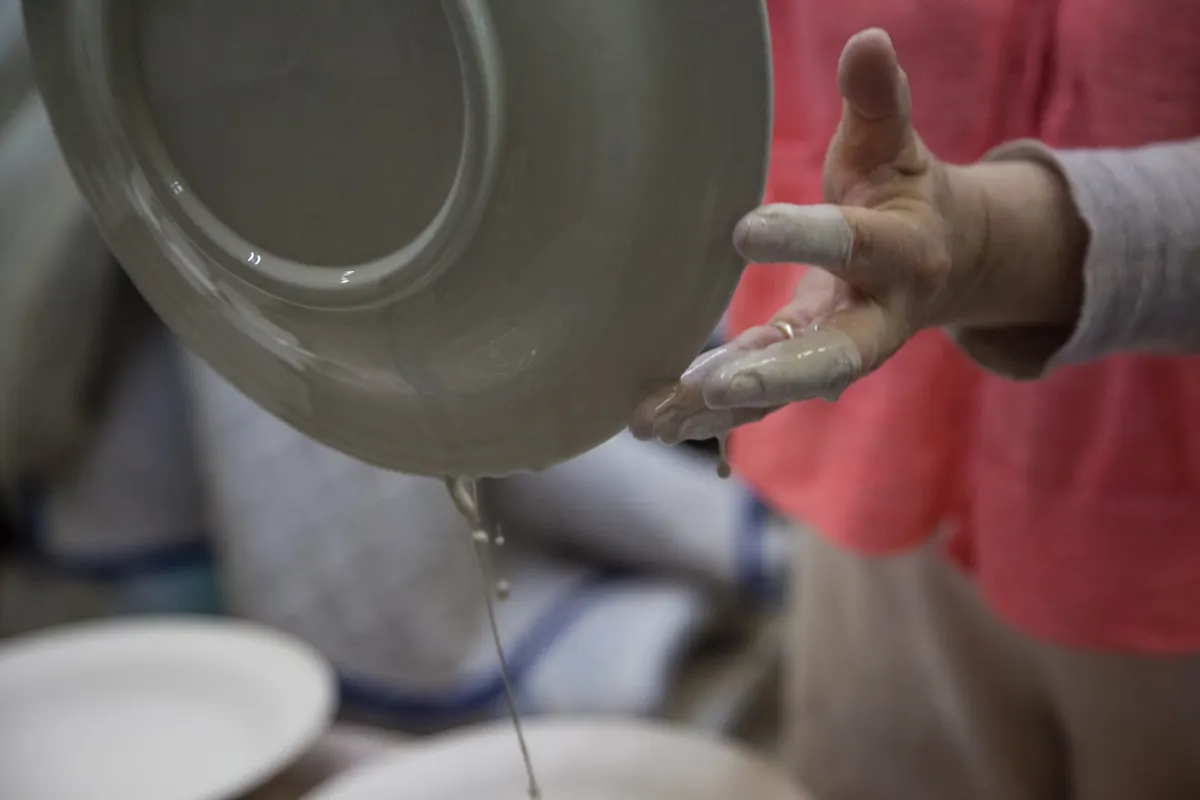
Tableware & ceramics marketing agency: angle 2, plate dripping from being dipped in ceramic glaze before firing in kiln.

How tableware gets chosen

Tableware has a commercial shape that is unusual in the home industry. The first order is a set. The second order is one plate. And the reason for that second order is almost always that somebody dropped the first one. A brand that only sells in fours makes it impossible to be the place people come back to.

We write growth plans for tableware and ceramics brands that already sell online. The plan puts open stock alongside sets, treats packaging as part of the product because breakage in transit destroys reviews faster than anything else you can do, and gets the practical facts onto the page. Dishwasher, microwave, oven, and whether the glaze varies from piece to piece.

Then it works the calendar this category genuinely runs on. Hosting and gifting through the final quarter, weddings across the summer, and replacements all year round.

Tableware is bought for a table that is either new or embarrassing. A first home, a move, a set that has lost three of its six plates, or a dinner that exposed how little of it matches.

The first decision is quantity. Place settings are the unit, and people count in fours, sixes and eights depending on the table and how they entertain. That is why sets sell, and why a store listing only singles makes shoppers do arithmetic they did not come for.

Material changes both the look and the rules. Porcelain and bone china are fine and light. Stoneware is heavier and more forgiving of a busy household. Earthenware chips more readily. Handmade pieces vary in glaze, size and weight, and buyers either love that or feel short changed, which depends entirely on whether you told them first.

The practical checks get made. Dishwasher safe. Microwave safe, which a metallic rim is not. Oven safe and to what temperature. Whether the glaze is food safe.

Storage matters more than most brands allow for, since stacking height and plate diameter decide whether a set fits the cupboard.

Then delivery, where ceramics break and packaging is judged as part of the product. Hosting drives the final quarter and weddings drive the summer.
Where tableware & ceramics brands
lose revenue

The four levers, in this niche.

Visitors

Visitors: material, style and set size

Searches combine a piece, a material and a count: stoneware dinner set for six, speckled ceramic side plates, handmade pasta bowls, bone china mugs. Replacement searches are their own valuable stream, since people hunt for a single plate to complete a set they already own. Build collection pages by material, by piece, by colour and by set size, and keep discontinued or archive pages live where you can still supply, because that traffic converts unusually well.

Conversion rate

Conversion: the facts a table setting depends on

Give the diameter of plates, the capacity of bowls and mugs in millilitres, the weight of a piece, the stacking height of a set, and the care rules for dishwasher, microwave and oven with any temperature limit. Say plainly where handmade variation exists in glaze, size or finish, and photograph that variation rather than the single most perfect piece. Show a full table set for scale. Describe the packaging, since anybody who has had ceramics arrive broken will look for it.

Average order

Order value: settings, serveware and the mix

Sets built as place settings are the natural way to raise the order, especially when they are offered in the counts people actually host at. Beyond the set, serveware carries good margin and is bought at the same moment: platters, jugs, serving bowls. Mix and match collections encourage a larger basket because the shopper is building a look rather than buying a box. Gift wrapping and registry style bundles matter through the wedding season and the final quarter.

Repeat purchases

Repeat purchases: things break, and that is the business

The reorder is a replacement, and it happens whether or not you make it easy. Keep every piece available singly, keep patterns in production long enough to serve the customers who bought them, and record the range each customer owns so a broken plate is one click rather than a hunt. Add to that seasonal colours, additional place settings as households grow, and serveware bought before hosting. Care advice keeps you in the inbox between breakages.

What we do for
tableware & ceramics brands

Five channels, one plan.

Google Shopping and search

Google Shopping and search ads for tableware

Titles need the piece, the material, the count and the size: Stoneware Dinner Plate, Speckled Cream, 27cm, or Porcelain Dinner Set, Twelve Piece, Service for Four. Diameter earns its place because shoppers measure their cupboard and their table.

Keep sets and singles in separate campaigns. They have very different order values and very different intents, since the single is usually a replacement and converts quickly with little persuasion.

Replacement searches are cheap traffic that other stores neglect, so bid on them deliberately and make sure open stock items are in the feed with their pattern names.

Gifting and hosting budgets should be planned from early autumn with bundle products already built. Negatives clear disposable and party tableware, plastic and melamine unless you sell them, commercial catering supply, and pottery classes and materials.

Meta and TikTok

Meta and TikTok ads for tableware and ceramics

Two kinds of content work here and they reach different people. The first is the table: a meal being served, a table being laid, the pieces in use with food on them rather than empty on a white surface. Nobody buys a plate to look at it alone.

The second is the making. Throwing, glazing, kiln openings and the moment a batch comes out with variation in it. Process content builds the value of handmade work and explains the price without arguing about it.

Packing videos are worth running too, because breakage is the fear, and showing how a plate is wrapped answers it.

Build audiences from cooking, hosting and interiors engagement plus your buyer list, segmented by the range they own so replacements and additions are shown to the right people. Gifting creative from October should show the box, since a large share of this category is bought for other people.

Merchant Center and the feed

Merchant Center and the feed for ceramics

Sets are multipacks and have to be declared as such, otherwise a twelve piece set looks like an expensive single plate in a comparison listing. Bundles that mix pieces are handled differently from packs of identical items, so keep the two apart.

Use material for the ceramic body, and product_detail for diameter, capacity in millilitres, weight, stacking height, dishwasher, microwave and oven suitability. Those care attributes are among the most searched details in the category and they belong in the feed rather than only in a paragraph.

Colour and pattern variants share an item_group_id, and every open stock single needs its own item so replacement searches can find it.

Shipping should reflect fragile packing, which is heavier and bulkier than the product suggests. Where pieces are handmade and vary, say so in the description so the listing sets the same expectation the product page does.

SEO and AI search

SEO and AI search for tableware

The questions are practical and constant. How many place settings do you need. What is the difference between stoneware and porcelain. Is a metallic rim microwave safe. Can stoneware go in the oven. What size is a standard dinner plate. Why do handmade plates vary in colour. How do you stop plates chipping in the dishwasher.

Answer them on your own site with your ranges as the examples, and keep the care information specific rather than hedged, since a vague answer is useless to a shopper and to an assistant.

Collection pages by material, piece, colour and set size need real copy. Pattern pages for ranges you still supply are valuable because replacement searches are specific and high intent. Product pages carry diameter, capacity, care and variation as text, and reviews that mention daily use and dishwasher wear give the reassurance the category needs.

Email and SMS

Email and SMS for tableware and ceramics

Start with care after delivery. How to stack without chipping, what the dishwasher does over time, whether the pieces suit the microwave and the oven. That message protects the product and the review at once.

The replacement flow is the one worth building properly. Record the range each customer bought and make it a single step to reorder one plate or one bowl, then remind people at the moments breakages cluster, such as after the hosting season.

Add to that a set completion message for the pieces they did not take, serveware before the entertaining months, and seasonal colours as new ranges arrive.

Wedding and gifting sequences run through summer and the final quarter with price banded guides and clear delivery cut offs. Keep SMS for restocks of ranges people asked about and for the last posting dates before the holidays.

First three fixes

What the plan usually starts with for tableware & ceramics brands.

  1. No way to replace one broken plate

    Everything is sold in fours and sixes, so a customer who breaks a single piece either lives with a gap or replaces the whole set elsewhere. We list every piece as its own item with its pattern name in the feed, keep archive pages live for ranges still in supply, and build a replacement journey from the order history.

  2. Packaging that does not survive a courier

    Ceramics arrive chipped or broken, the reviews say so within weeks, and the replacement cost quietly eats the margin on the whole range. We treat packaging as part of the product, show how items are packed in the listing and the ad creative, and set shipping profiles that reflect the real weight and volume of protective packing.

  3. Handmade variation presented as a defect waiting to happen

    Photography shows one flawless piece while the delivered plate has a different glaze pool, and the customer assumes something went wrong. We photograph the range of variation openly, explain in the description why it happens, and use process content so the difference reads as the reason to buy rather than a fault.

Questions from tableware & ceramics brands

Because the repeat order in this category is a replacement for something broken. If a customer cannot buy one plate in the pattern they own, they either give up or replace the whole set somewhere else. List every piece individually with its pattern name, keep it findable in search and in the feed, and make reordering from purchase history a single step.

By showing it rather than describing it in a disclaimer. Photograph several pieces from the same range so the spread of glaze and tone is visible, say plainly in the description that no two pieces are identical and why, and use making content to build the value of that. Customers who are told in advance treat variation as character.

Dishwasher suitability, microwave suitability including any metallic trim that rules it out, oven use with the temperature limit, plate diameter, bowl and mug capacity in millilitres, and the stacking height of a set. These are the details shoppers check before buying and search for afterwards, and they belong in the feed attributes as well as on the page.

As multipacks with the correct quantity when they are packs of identical items, and as bundles when they mix different pieces. Getting this wrong makes a full service look like an overpriced single plate in comparison listings. Include the service size in the title, such as a twelve piece set serving four, since that is how shoppers count.

Two windows carry the year. The final quarter combines hosting and gifting, and it needs bundles, photography and gift guides built well ahead of time. Summer carries weddings and new homes, which suits registry style sets and serveware. Replacements arrive steadily all year, and they climb just after the periods when people entertain most.

Other home & furniture stores we work with

Send your tableware & ceramics brand store.

The plan says which lever is leaking and what to fix first, for your store as it is today.

Store, name, email and phone. A person replies from a real inbox. Privacy

Get your free growth plan