Skip to content

Furniture marketing agency

Marketing for furniture brands: doorway and diagonal depth answers, freight priced before checkout, swatch flows, lead times and feeds that carry real sizes.

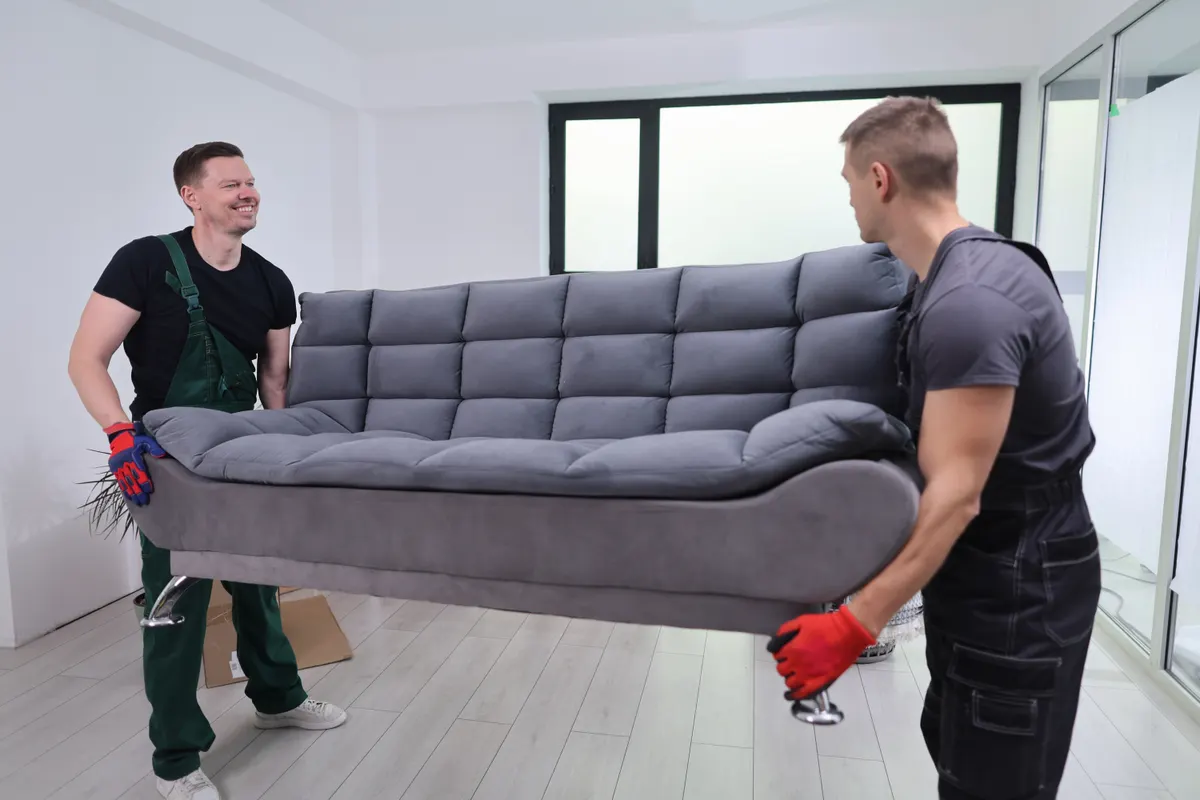
Furniture marketing agency: two friends lift a stylish gray couch in a bright room filled with excitement and effort during a weekend furniture move.

How a piece of furniture gets chosen

A sofa is bought twice. Once when the shopper falls for the room, and again when they work out whether it fits. Everything that decides a furniture sale sits in that second decision. Width, depth and the diagonal depth that decides whether a piece turns a stair corner. Delivery cost, and whether two people carry it upstairs. Lead time on a made to order frame. Whether the grey on screen is the grey in the living room.

We write growth plans for furniture brands that already sell online. The plan puts those answers where the shopper is: in the feed, in the ad, on the product page and in checkout. It covers swatch programmes that turn browsers into buyers weeks later, freight rules that stop a heavy item losing money, and a product template built for consideration rather than impulse.

Repeat is slow in furniture and the plan says so. The second order is usually the next room, not the next month.

Furniture buying starts with a room and a deadline. A move, a renovation, a new baby, a lease ending. The shopper builds a picture from social and search, saves a few pieces, then switches from wanting to measuring.

The measuring stage is where the sale is won or lost. They want width, depth, height, seat height, arm height and diagonal depth. They want to know whether the legs come off. They want the delivery method named: kerbside, room of choice, or assembled with the packaging taken away. They want a delivery window, not a vague range of weeks.

Colour is the other stall. Screens are unreliable, and a shopper who cannot judge the fabric will either order a swatch or leave. Brands that send swatches free and follow up two weeks later convert people who would otherwise have gone quiet.

Then comes the wait. Made to order frames take weeks, and a shopper who has paid a large sum and heard nothing is the shopper who cancels. Clear lead times before checkout and honest updates after it protect revenue you have already earned.

Demand follows moving season in late spring and summer, with a second peak in the year end sale period.
Where furniture brands
lose revenue

The four levers, in this niche.

Visitors

Visitors: room searches and size searches

Furniture demand shows up as rooms and measurements at once: small space sofa, three seater in dark green, dining table that seats eight, left hand facing corner sofa. Feed titles and collection pages that carry the piece, the size and the material in those exact words catch traffic that generic category ads miss. Room and style pages hold search traffic between launches, and social prospecting works when it shows the piece in a real room at a stated size rather than floating on white.

Conversion rate

Conversion: remove every reason to postpone

The furniture product page has one job, which is to leave nothing to look up elsewhere. Full dimensions including diagonal depth and packed size, a doorway and stairwell check, weight, seat height, materials named, care instructions, delivery method and cost shown before checkout, lead time in weeks, assembly requirement, and the returns rule for large items. A free swatch order sits beside the buy button for anyone not ready today. Where you offer finance, put it on the page rather than only in checkout.

Average order

Order value: freight is the lever

Furniture order value moves when the piece becomes a set. A sofa carries an ottoman, a rug and a care kit. A bed carries a mattress and a protector. Delivery pricing is the strongest tool you have, because a shopper already paying freight will add a second piece rather than pay freight twice. Set a free delivery threshold above the average single piece and merchandise the items that reach it. Fabric protection plans, assembly upgrades and old furniture removal add margin without adding stock.

Repeat purchases

Repeat purchases: the next room, not the next month

Furniture repeat is slow and that is normal. Someone who bought a sofa is not buying another sofa, but they may be furnishing a second room this year and moving house in three. Build the programme around rooms rather than reorders: a post delivery care sequence, a styling sequence for the room they bought into, then a next room prompt at a sensible distance. Referrals and reviews showing the piece in a real home do more here than any discount.

What we do for
furniture brands

Five channels, one plan.

Google Shopping and search

Google Shopping and search ads for furniture

Shopping works for furniture when the title reads like the search: Three Seater Fabric Sofa, Deep Green, 210cm Wide, or Solid Oak Extending Dining Table, Seats Six to Eight. Size belongs in the title because shoppers filter by it in their heads before they click.

Split campaigns by room and by price band, so a side table is not judged in the same bucket as a corner sofa, and give made to order lines their own budget because they convert slowly and their value arrives weeks later.

Search ads take the questions a product tile cannot answer: will a sofa fit through my door, how long does a made to order sofa take, do you deliver upstairs. Copy names the delivery method and the lead time, since those are the two objections standing between the click and the order. Negatives clear rental, second hand, repair and disposal terms, plus office and contract queries if you sell to homes only.

Meta and TikTok

Meta and TikTok ads for furniture

Furniture creative has to show scale. A sofa in an empty studio tells a viewer nothing. A sofa with someone sitting on it, a table in front of it and a stated width tells them what they need. Room reveals, delivery day footage and honest fabric close ups outperform styled stills, because the objection is physical rather than aesthetic.

Because the decision takes weeks, the account is built for consideration. Prospecting sells the room and the brand. Retargeting moves to the practical layer: dimensions on screen, the free swatch offer, the delivery promise, the finance option.

Track swatch requests as their own event. A swatch request is the strongest signal a furniture brand gets short of a sale, and it is worth optimising towards when order volume is too low to train on purchases. Catalogue ads need clean images and correct prices, plus exclusions so a customer who just took delivery stops seeing their own sofa for months.

Merchant Center and the feed

Merchant Center and the feed for furniture

Furniture feeds fail on shipping and on size. Freight for a sofa is nothing like the flat rate in your default shipping settings, so item level shipping values, or shipping labels grouped by weight and dimension, keep Google from quoting a delivery price you cannot honour. Product length, width, height and weight belong in the feed as their own attributes rather than buried in the description.

Material and colour need Google's plain values. A fabric called Pewter Boucle is a grey item, with the trade name kept in the title and in the detail attributes. Every fabric and configuration of one frame shares an item_group_id, and left and right hand corner units are separate items rather than one listing with a note in the text.

Lead time matters more here than in most categories. If a frame takes weeks to build, availability and handling time have to say so, because a listing that implies quick dispatch on a made to order piece produces cancellations. Include a scale shot and a fabric close up as additional images.

SEO and AI search

SEO and AI search for furniture

Furniture shoppers ask questions that read like measurements, and assistants answer them from whoever wrote the answer down clearly. Will a sofa fit through a thirty inch door. What size dining table seats eight. What is diagonal depth. How long does a made to order sofa take. Is boucle hard to clean with a cat in the house.

Publish a measuring guide, a fabric guide and a delivery guide, each opening with the direct answer and using your own products as the worked example. Build collection pages for the phrases people search rather than only the ones your merchandising team uses: small space sofas, corner sofas, extending dining tables, oak bedroom furniture. Each needs copy that explains how to choose.

Product pages must carry dimensions as text, not only inside a spec image, because an image cannot be quoted. Structured data for products, reviews and questions gives assistants something specific to cite, and customer photos keep pages fresh between launches.

Email and SMS

Email and SMS for furniture

The furniture programme is built around waiting rather than reordering. The swatch sequence is the most valuable flow you will build: confirm the request, say when the swatch lands, then follow up with the piece it belongs to and an offer to answer measuring questions. A good share of those orders arrive weeks later.

The order to delivery sequence protects revenue you already have. Send the build stage, the shipping stage, the delivery window and a preparation note that reminds the customer to clear the hallway and measure the door again. Silence during a six week wait is what causes cancellations.

After delivery comes care, then styling for that room, then a review request timed for once the customer has lived with the piece. The next room prompt sits months out and is segmented by what they bought. Keep SMS for delivery windows and driver updates, which customers genuinely want, rather than for offers.

First three fixes

What the plan usually starts with for furniture brands.

  1. Dimensions that stop at width and depth

    The page gives an overall size but no diagonal depth, seat height, arm height, packed dimensions or leg removal note, so shoppers cannot tell whether the piece turns their stairs. We add a full measurement block, a doorway and stairwell check and the packed weight, then repeat the same numbers in the feed so the ad and the page agree.

  2. Freight revealed at the last step

    Delivery cost appears only after the address is entered, and a cart built over three weeks falls apart in one screen. We move the delivery method and its cost onto the product page, group products into shipping profiles that reflect real freight, and let the shopper choose between kerbside and room of choice before they commit.

  3. Swatches sent and then forgotten

    Free swatches go out with no follow up, so the strongest buying signal in the category leaks away. We build a swatch flow that confirms, arrives, follows up with the piece it belongs to and offers help with measuring, and we pass swatch requests into the ad accounts as a conversion event so the campaigns can learn from them.

Questions from furniture brands

Show it earlier. Freight on a large item is not a surprise you can spring at the last step of checkout. Put the delivery method and its cost on the product page, offer a choice between kerbside and room of choice, and set a free delivery threshold above a single piece so a second item feels like the sensible move rather than a cost.

Yes, provided the wait is stated before payment and filled afterwards. Put the lead time on the product page and in the feed's handling time, then run a build and delivery sequence that tells the customer where their order is at each stage. Cancellations on made to order pieces are almost always caused by silence rather than by the wait itself.

Use the dedicated length, width, height and weight attributes with a stated unit, rather than putting sizes only in the description. Keep the headline size in the title as well, because shoppers scan for it. Item level shipping or shipping labels should reflect real freight bands so the delivery estimate shown on the listing matches what you charge.

For upholstery and wood finishes they usually are, because colour doubt is the most common reason a shopper leaves a page they liked. Treat the swatch as a lead rather than a giveaway: capture the address, follow up when it arrives, name the pieces available in that fabric, and measure how many swatch requests turn into orders over the following two months.

It looks like rooms, not reorders. The realistic second order is a different room in the same home, an accessory or a piece for a new house years later. Build flows around care, styling and the next room, keep the purchase record so you can talk to a customer at the right distance, and treat referrals and photo reviews as a serious channel.

Other home & furniture stores we work with

Send your furniture brand store.

The plan says which lever is leaking and what to fix first, for your store as it is today.

Store, name, email and phone. A person replies from a real inbox. Privacy

Get your free growth plan