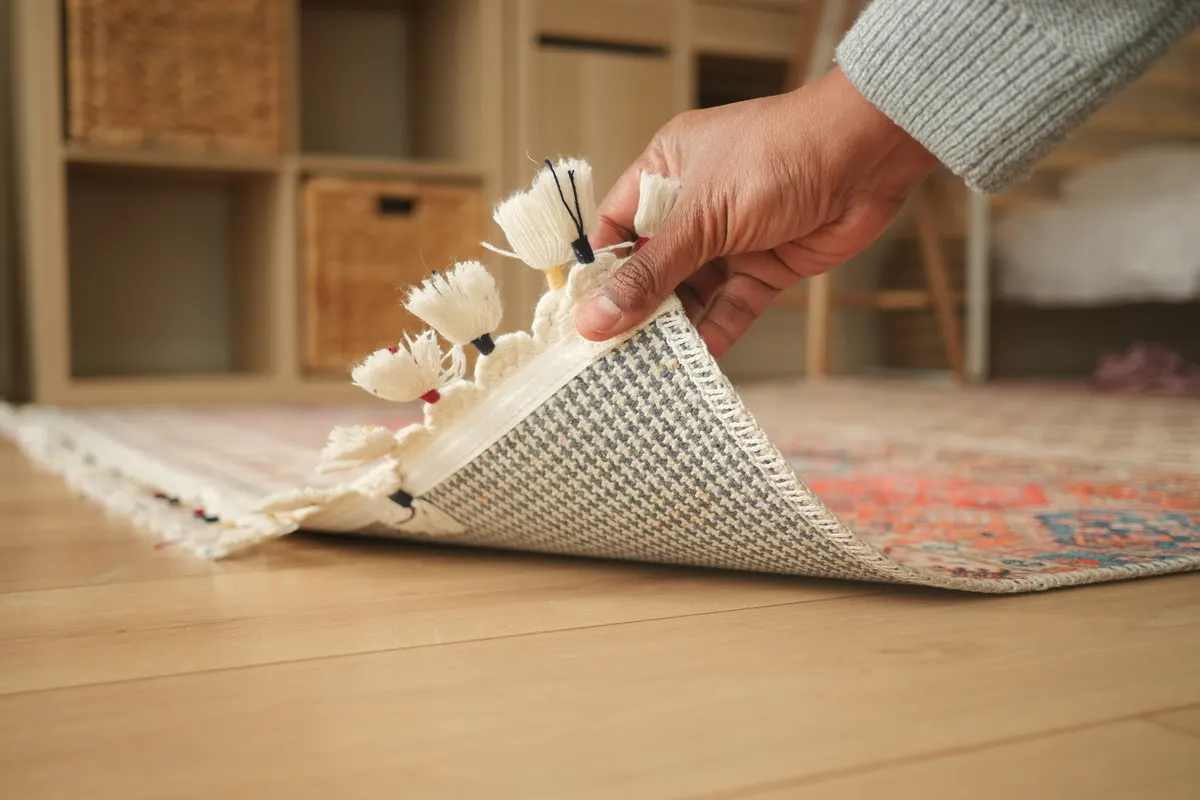
Nearly every rug that goes back was the wrong size. Not the wrong colour, not the wrong price, the wrong size. A shopper measures the empty floor rather than the furniture, orders something that floats in the middle of the room, and pays to send back a rolled parcel that costs a lot to move.
We write growth plans for rug brands that already sell online. Size guidance comes first, on the product page and in the ad, because getting it right lifts conversion and cuts the most expensive returns you have. Then fibre and construction in plain terms, so a shopper knows why one rug sheds for a month and another survives a hallway.
After that it is the practical work: underlay and care attaching to the order, freight priced by roll size rather than a flat rate, and colour handled honestly when dye lots and screens disagree.
A rug is bought last, after the sofa and usually after the paint. The shopper already has the room, so they are matching rather than choosing from scratch, which makes colour and size the whole decision.
Size is not a floor measurement. It is a relationship with furniture. In a living room, does the rug sit under all the legs, under the front legs only, or in front of the sofa entirely. Under a dining table, the rug has to extend far enough that a chair pulled out still has its back legs on it. A hallway runner is chosen by the width of the hall and the swing of the doors. Bedrooms are decided by how much floor you want bare foot on getting out of bed.
Then construction. Hand knotted, hand tufted, flatweave and machine woven are different products at different prices with different lifespans. Wool is warm, hard wearing and sheds at first. Polypropylene handles a hallway and a spilled drink. Jute is textured and rough underfoot. Viscose looks like silk and marks with water.
Pile height decides whether a door will clear the rug. Underlay decides whether it slides. Shedding decides whether the first month is a happy one.
Demand rises with moving season and again in autumn when floors feel cold.