Skip to content

Lab-grown diamond marketing agency

Growth work for lab-grown diamond brands: disclosure-safe titles and ads, report lookups on the page, natural-versus-lab pages, the tennis bracelet follow-on.

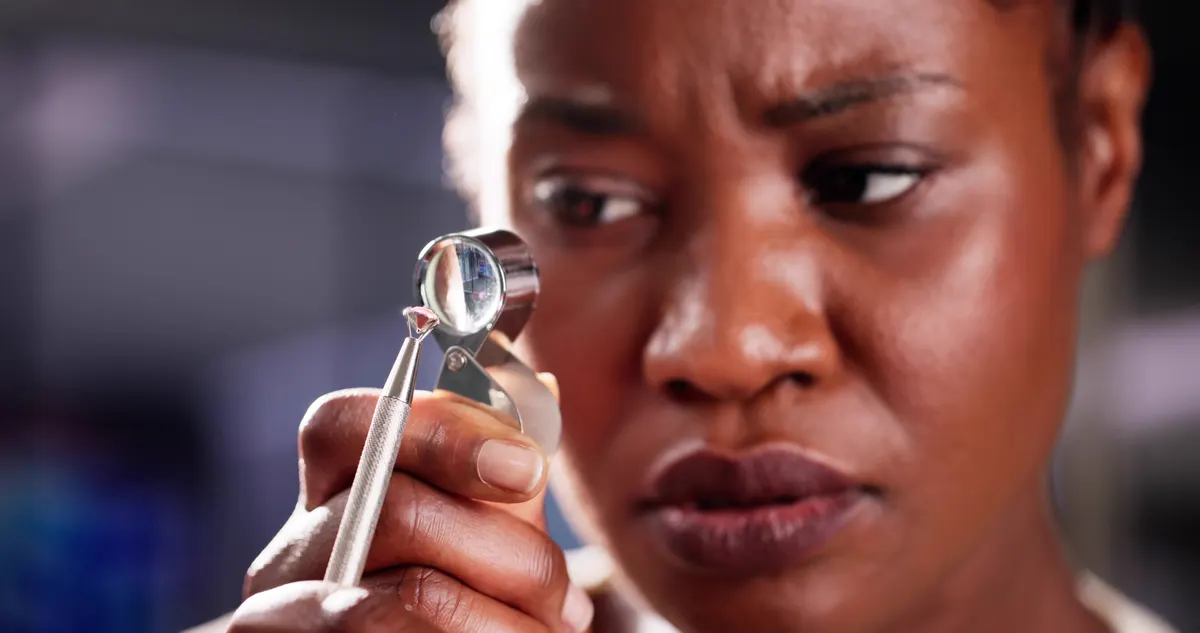
Lab-grown diamond marketing agency: diamond Inspector Examining Quality Through Magnifying Loupe in African-American Jeweler's Shop. Woman Assessing Gemstone Value.

What a lab-grown diamond buyer is really deciding

Lab-grown diamond brands sell a stone that is chemically a diamond and legally has to be called something more specific. Every product title, ad and feed line needs the qualifier, every shopper wants to know whether the stone is real and whether it will hold its value, and every grading report has to be easy to look up. The buyer is often choosing between a larger lab-grown stone and a smaller natural one at the same price, and they arrive with questions they have already asked an AI assistant: does it test as a diamond, is CVD better than HPHT, will anyone be able to tell.

We grow lab-grown diamond brands that already sell online by working visitors, conversion rate, average order value and repeat purchases, with the disclosure rules built into every channel rather than bolted on. The work starts with a free written growth plan built on your own order data, then a base fee plus growth share scoped in that plan.

The lab-grown buyer has usually already decided that a natural stone is not worth the premium to them, and now they want to be sure they are not making a mistake. Their questions are about legitimacy: is it a real diamond, will it pass a tester, does the report from IGI or GIA mean the same thing as it does for a mined stone, will it cloud or change over time, and what happens to the value if they ever sell it. They want the honest answer, which is that the stone is a diamond, the report grades it the same way, and the resale market for lab-grown is thin.

The second decision is size against grade. With the price per carat lower, the buyer can afford a bigger stone or a better colour and clarity, and they want help choosing. A store that shows the trade-off in its own range, with the same setting at three stone sizes and their reports, makes that decision easy.

The purchase is often an engagement ring, but a growing share is studs, tennis bracelets and pendants bought for oneself, where the lower price turns a once-in-a-lifetime item into something bought more than once. That second kind of buyer is the repeat customer, and the marketing has to speak to both.

Where lab-grown diamond brands
lose revenue

The four levers, in this niche.

Visitors

Visitors: own the queries that include the qualifier

Searches that say lab-grown, lab-created or CVD are the ones this brand should win, and they are cheaper to win than generic diamond terms because the shopper has already chosen the category. We build Shopping and search campaigns on those queries with the qualifier in every title, keep a measured presence on generic diamond searches where the landing page explains the choice, and use social to reach people still deciding between natural and lab.

Conversion rate

Conversion: the report, the tester and the resale answer on the page

Lab-grown pages convert when they answer the legitimacy questions before the shopper scrolls: a linked report number that opens the laboratory's lookup, a plain note on how the stone was grown, a straight answer about testers and resale, and a photo of the actual stone. We rewrite product pages around those points and check the change against your own checkout data.

Average order

Order value: a bigger stone for the same money, shown side by side

The lever in lab-grown is the size-versus-grade trade-off. We show the same setting at three centre stone sizes with their prices and reports on one page, so the upgrade is a visible choice rather than a hidden dropdown. Matching bands, studs sized to the ring's stone, and an appraisal for insurance are offered as options with the piece.

Repeat purchases

Repeat purchases: studs, then a tennis bracelet

Because the price per carat is lower, lab-grown customers come back for pieces they would not have bought in natural stones: studs, a tennis bracelet, a pendant, an anniversary upgrade to a larger centre stone. We build the post-purchase flow around that sequence, with timing set by your own reorder data rather than a generic calendar.

What we do for
lab-grown diamond brands

Five channels, one plan.

Google Shopping and search

Google Shopping and search ads with the qualifier in every line

Lab-grown Shopping campaigns start with compliance. In the United States the FTC's Jewelry Guides require a clear qualifier such as 'laboratory-grown' or 'laboratory-created' immediately alongside the word diamond, and Merchant Center will act on misrepresentation, so every title, description and ad headline carries the qualifier before anything else. Within that rule the strategy is to own the qualified queries: 'lab grown diamond tennis bracelet', 'lab created oval engagement ring', 'CVD diamond studs'. Those searches convert well because the shopper has already chosen the category. We keep a separate, smaller campaign on generic diamond terms whose landing page explains the natural-versus-lab choice honestly, and we exclude 'moissanite', 'cubic zirconia' and 'simulant' unless you sell them. Campaigns are split by product type because an engagement ring and a pair of studs have different decision lengths, and each is read on a window that matches. Price is shown openly in ads so the comparison shopper can see the difference before clicking.

Meta and TikTok

Meta and TikTok ads for the natural-versus-lab decision

Social is where the lab-grown decision is made, because it is where people see a large stone on a hand and ask what it cost. The creative that works is honest and specific: the same setting with a lab-grown stone and a natural stone from your own range, side by side with prices, or a two-carat lab-grown stone on a hand with the report number on screen. Explainers on how the stone is grown, what a tester shows and what the report grades do well as short video, and they pre-empt the objections that appear in comments. We build catalogue ads from products whose titles carry the qualifier, and we answer comments that question legitimacy with facts rather than leaving them. Retargeting runs for the full decision period on rings and a shorter one on studs and bracelets. Claims about sustainability are kept to what you can evidence, because environmental claims in ads are regulated in the UK and EU and an unverifiable one costs more than it earns.

Merchant Center and the feed

Merchant Center attributes for a stone that needs a qualifier

Lab-grown feeds are disapproved for two reasons: titles that call the stone a diamond without the qualifier, and identifiers that do not exist. Every title leads with the qualifier and the shape, such as 'Lab-grown diamond oval solitaire ring, 1.5 carat, 14k white gold'. Product_detail carries carat weight, colour, clarity, cut, growth method where you disclose it, and the grading laboratory. Material carries the metal and karat. Own-made pieces set identifier_exists to false with brand and MPN filled. Ring sizes and stone sizes are variants under item_group_id with their own price and availability, so a sold-out stone size does not hide the setting. Images show the piece alone on a clean background, with the on-hand image as an additional image. Return policy and shipping are set in Merchant Center so the return window appears in the listing. We correct the product data in the store rather than patching the feed, so the next upload stays compliant.

SEO and AI search

SEO and AI search: the legitimacy questions answered on your site

Lab-grown search is question-led. People ask whether lab-grown diamonds are real, whether they pass a diamond tester, whether CVD or HPHT is better, whether the stone will lose value, and how to tell it from natural. AI assistants answer those questions constantly, and they cite stores that answer them plainly. We build a short set of pages on the store that do exactly that, in plain text with no hedging, placed next to the products they concern and marked up with product data so a real ring with a real price can be cited. Collection pages are organised by shape, product type and carat range, each with a sentence that says what is in it. Comparison pages compare natural and lab-grown stones in your own range at the same setting, which is the comparison a shopper actually wants. Report numbers on product pages are text, not images, so they can be searched and matched to the laboratory's database.

Email and SMS

Email and SMS from first stone to tennis bracelet

The lab-grown email programme has two jobs: settle the legitimacy doubt before the first order and bring the customer back for the second piece. Browse and cart flows answer one question per message, in the order shoppers ask them: is it real, what does the report say, what about resale, how is it grown, what is the return window. Each links back to the piece with its report. After delivery the flow turns to care and reassurance, including how to clean the stone and what to expect from a tester, and then to the second purchase. The sequence that fits most stores is studs sized to the ring's stone, then a tennis bracelet, then an anniversary upgrade to a larger centre stone with a trade-in of the original where you offer it. Timing comes from your own reorder data. Gift buyers and recipients are kept separate so the recipient can be invited in with their own preferences. SMS is reserved for delivery and cut-off dates before Valentine's Day, Mother's Day and December.

First three fixes

What the plan usually starts with for lab-grown diamond brands.

  1. Titles without the qualifier

    Product titles, feed titles and ad headlines that say 'diamond' alone risk disapproval and mislead the shopper. Put the qualifier first in every one, fix it in the store's product data, and check the feed after the next upload.

  2. Report numbers that go nowhere

    A report number printed as text with no link makes the shopper leave to check it. Link every number to the laboratory's lookup page and show the report image on the product page, so the check happens without leaving the store.

  3. Selling only on price

    A page that says only 'the same stone for less' invites the resale objection and races to the bottom. Sell the choice: a larger stone, a better grade, a piece you would not have bought in a natural stone, with the price stated openly as one part of that choice.

Questions from lab-grown diamond brands

In the United States the FTC's Jewelry Guides require a clear qualifier alongside the word diamond, and Google acts on misrepresentation, so yes. We put the qualifier first in every title, description and ad, which also wins the searches that include it.

Honestly and briefly. The resale market for lab-grown stones is thin, and a shopper who hears that from you trusts the rest of the page. Then frame the purchase as it is: a larger or better stone for the money, bought to wear rather than to trade.

Yes, within your own range, at the same setting and the same price or the same carat, with reports for both. That is the comparison the shopper is making anyway, and it is far more useful than a general article.

Studs and tennis bracelets, because the lower price per carat makes them an ordinary purchase rather than a milestone, then an anniversary upgrade to a larger centre stone. We time those invitations from your own reorder data.

Only claims you can evidence for your own stones and supply chain. Environmental claims in advertising are regulated in the UK and EU, and a general 'eco-friendly' line without proof is a liability. Specific, sourced statements are fine.

Other jewelry & accessories stores we work with

Send your lab-grown diamond brand store.

The plan says which lever is leaking and what to fix first, for your store as it is today.

Store, name, email and phone. A person replies from a real inbox. Privacy

Get your free growth plan