Skip to content

Fine jewelry marketing agency

Growth plans for solid gold and gemstone brands selling online: feeds with karat and stone data, long-window ads, hallmark and sizing pages, anniversary email.

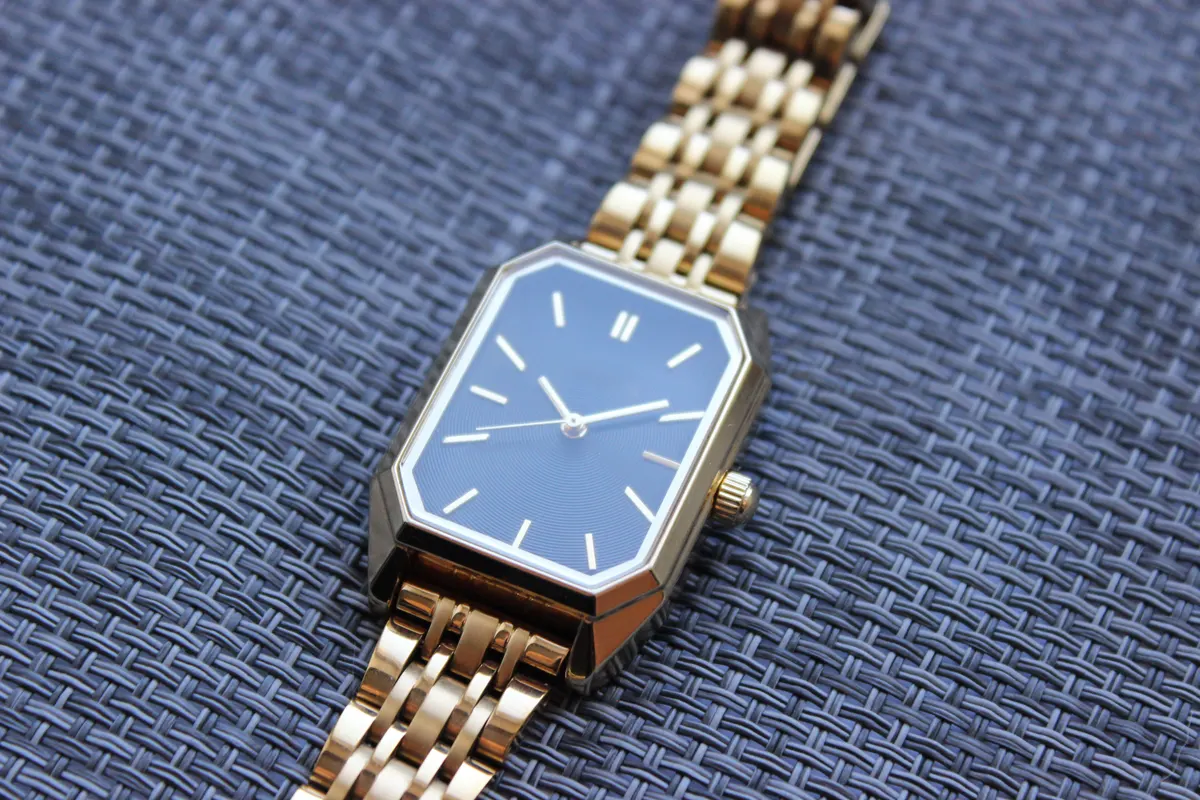
Fine jewelry marketing agency: gold Watch Case Macro with Blue Dial.

How a fine jewelry order actually happens

Fine jewelry sells in low volume at high prices, and that shape decides how it should be marketed. A solid gold and gemstone brand might take a few dozen orders a week, so each abandoned checkout costs real money and each ad click has to be judged over weeks rather than days. The shopper wants to know the karat, the stone, whether the piece is hallmarked, what insured shipping looks like and what happens if the ring does not fit. Most of them arrive as gift buyers in February, early May and December, and the rest are self-purchasers who have looked at the same pendant four times before they buy it.

We run the four numbers behind revenue for fine jewelry brands that already sell online: visitors, conversion rate, average order value and repeat purchases. The work starts with a free written growth plan built on your own order history, then a base fee plus growth share scoped in that plan.

A fine jewelry order rarely happens on the first visit. The shopper searches for something specific, such as a 14k gold huggie or a sapphire pendant, opens several product pages, and then comes back over the following week or two while they decide. On each return they are checking something: whether the gold is solid or vermeil, whether the stone is natural, what the chain length looks like on a neck, whether the ring can be resized, and what the return window is on an item that costs this much.

Gift buyers compress that process into a deadline. They do not know the ring size, they are not sure the recipient prefers yellow or white gold, and they need to know the box is ready to hand over. If the product page cannot settle those three doubts, the order goes to whoever can.

Self-purchasers behave differently. They are often adding to a collection, so they care about how a new piece sits with what they own: whether the karat colour matches, whether an earring pairs with a pendant, whether the hallmark will hold its value. They respond to proof and detail, not urgency. Marketing for fine jewelry has to serve both buyers at once, with pages that answer the material question in the first screen and ads that stay in front of a shopper for the full length of the decision.
Where fine jewelry brands
lose revenue

The four levers, in this niche.

Visitors

Visitors: win the searches that name the metal and the stone

Fine jewelry demand arrives as precise queries: solid gold, 18k, emerald cut, natural sapphire, hallmarked. We build Shopping campaigns whose product titles carry those words, exclude plated and costume terms that attract the wrong price expectation, and push budget into the three gifting windows a week before the searches rise. Social ads bring the on-body scale and stone close-ups that search cannot show.

Conversion rate

Conversion: settle karat, hallmark, sizing and returns on the page

A fine jewelry page converts when it answers what a counter assistant would be asked: is this solid gold, is the stone natural, is it hallmarked, how do I find a ring size, can it be resized, is shipping insured, and what is the return window. We rewrite product pages around those questions, add a printable sizer and a chain length photo on a real neck, and measure the change in your own checkout data.

Average order

Order value: the pair, the heavier chain and the higher karat

Fine jewelry orders grow through upgrades rather than quantity. The matching earrings, a longer or heavier chain, 18k instead of 14k, a gift box, a certificate. We build these as variants and add-ons visible on the product page, so the upgrade is chosen with the piece rather than pushed at checkout.

Repeat purchases

Repeat purchases: the anniversary comes back on the same date

Anniversaries and birthdays repeat on a fixed date, and a gift recipient often becomes the next buyer. We capture the occasion and the recipient at checkout, send care instructions after delivery, and return eleven months later with the piece that pairs with the last one. Collection buyers get new-piece alerts by metal and stone preference.

What we do for
fine jewelry brands

Five channels, one plan.

Google Shopping and search

Google Shopping and search ads for solid gold and gemstone pieces

Fine jewelry Shopping campaigns should be split by price band, because a chain that sells for a few hundred and a ring that sells for several thousand cannot share a target. We group products by margin and price, set separate targets, and judge each group over a window long enough for a considered purchase to close, usually several weeks. Product titles lead with metal, karat and stone so the ad matches the query, and negative keywords remove plated, costume, cheap and wholesale traffic that inflates clicks without orders. Search ads cover your brand name and the collection names people remember from social, plus a small set of high-intent generic terms such as 'solid gold hoop earrings'. Budgets rise in late January, late April and from mid-November, then hold through the last insured shipping cut-off in December. After that, ads shift to in-stock, fast-ship pieces and gift cards.

Meta and TikTok

Meta and TikTok ads for pieces people save and come back to

Fine jewelry on social sells through scale and light. The creative that works shows the piece on a hand, a neck or an ear with a known reference beside it, then a close-up of the stone under natural light, then the box. We build catalogue ads that show the price openly so the audience self-selects, and we retarget viewers for the full consideration period rather than a week, because a shopper who watched a video in early November may not buy until December. Gift creative in the run-up to the holidays speaks to the buyer rather than the wearer: what to do about size, what the box looks like, when it will arrive. Outside gifting season, self-purchase creative focuses on stacking, layering and matching metals to what the wearer already owns. We keep the creative honest about karat and stone origin, because a claim that is corrected in the comments costs more than it earns.

Merchant Center and the feed

Merchant Center attributes that fine jewelry feeds usually leave empty

Fine jewelry feeds fail quietly. Own-made pieces usually have no GTIN, so the feed needs identifier_exists set to false with brand and MPN filled, or items get disapproved. The material attribute should carry the metal and karat in plain words, such as '14k yellow gold', and product_detail should hold stone type, carat weight, cut and setting so Google can match precise queries. Ring sizes belong as variants under one item_group_id with size as the variant attribute, each with its own availability, so a sold-out size does not hide the whole ring. Images need a clean background and the piece filling the frame, with additional_image_link used for the on-body shot. Prices on variants have to match the page exactly, including the karat upgrade. We set return policy and shipping in Merchant Center so the return window and insured delivery show in the listing, and we fix all of this in the store's product data so the next upload does not undo it.

SEO and AI search

SEO and AI search: collection pages by metal, stone and occasion

Fine jewelry search is organised by material and stone, so collection pages should be too: 18k gold, sapphire, emerald cut, hallmarked, anniversary. Each collection needs a short plain-text explanation of what qualifies a piece to be in it, and each product page needs the specification written out as text rather than locked in an image: metal, karat, hallmark, stone origin, carat weight, dimensions in millimetres, chain length. AI assistants are asked whether 14k or 18k is better for everyday wear, how to tell if gold is solid, and whether a sapphire is a good alternative to a diamond. We write those answers on the store in plain language, keep them close to the products they concern, and mark up product pages with price, availability and material so assistants and search engines can quote the store rather than a marketplace. Sold-out pieces keep their pages with a note and a link to the nearest alternative rather than a 404.

Email and SMS

Email and SMS built around anniversaries rather than launches

The fine jewelry email calendar has fixed dates: the shopper's anniversary, a partner's birthday, Mother's Day and the December cut-offs. We capture the occasion and the recipient at checkout with a single optional question, then send a reminder before each date with the piece that pairs with the last purchase. Browse and cart flows use longer delays than a fashion store would, because a pendant looked at on Tuesday is often bought the following weekend, and they answer the material and sizing questions rather than offering a discount. Post-purchase email covers care, cleaning, storage and how to use the resize or repair service, which builds the trust that makes the second order easier. Gift buyers and gift recipients are kept as separate profiles so the recipient can be invited in with a sizing update and a preference for metal colour, and the buyer is reminded a year later. SMS is reserved for delivery and cut-off dates.

First three fixes

What the plan usually starts with for fine jewelry brands.

  1. Ring size doubt is stopping gift orders

    Gift buyers abandon rings when they cannot find the size. Put the resize policy in the first screen of the product page, offer a printable sizer and a ring-size guide that explains how to measure an existing ring, and let the buyer choose 'not sure, resize later' as an option where your workshop can support it.

  2. One Shopping campaign bidding the same for a chain and a ring

    Blended campaigns spend the chain's budget on ring clicks. Split by price band with separate targets and separate review windows, and read results by margin per order rather than return on ad spend on a single day.

  3. Product photos with no sense of scale

    A pendant on white with no reference looks the same at 8mm and 18mm. Add the on-body photo, print dimensions in millimetres in the first screen, and show chain lengths side by side on one neck so the shopper stops guessing.

Questions from fine jewelry brands

Because the decision takes weeks. A click in the first week of November can turn into an order in the second week of December, so judging a campaign on a seven-day window switches off the ads that were working. We set the window in the plan from your own order history.

Yes, in their own campaign with their own target and a long window. High-ticket pieces attract fewer clicks and each click is expensive, but the queries that find them are precise and the margin per order supports the spend when the campaign is judged properly.

Make the resize policy visible before the shopper reaches the size selector, offer a printable sizer, explain how to measure a ring the recipient already wears, and give a 'resize after gifting' option if your workshop can support it. The doubt is the problem, not the size itself.

Say what the piece is in plain text: the metal, the karat, whether it is hallmarked and by which assay office if it is, and whether the stone is natural or treated. Shoppers ask AI assistants these questions before they buy, and a store that answers them on the page is the store that gets quoted.

We read your order history, feed, product pages and email flows, then write a document that sets out what we would change in each of the four levers, in what order, and what the base fee plus growth share would be. You can use it with us or on your own.

Other jewelry & accessories stores we work with

Send your fine jewelry brand store.

The plan says which lever is leaking and what to fix first, for your store as it is today.

Store, name, email and phone. A person replies from a real inbox. Privacy

Get your free growth plan