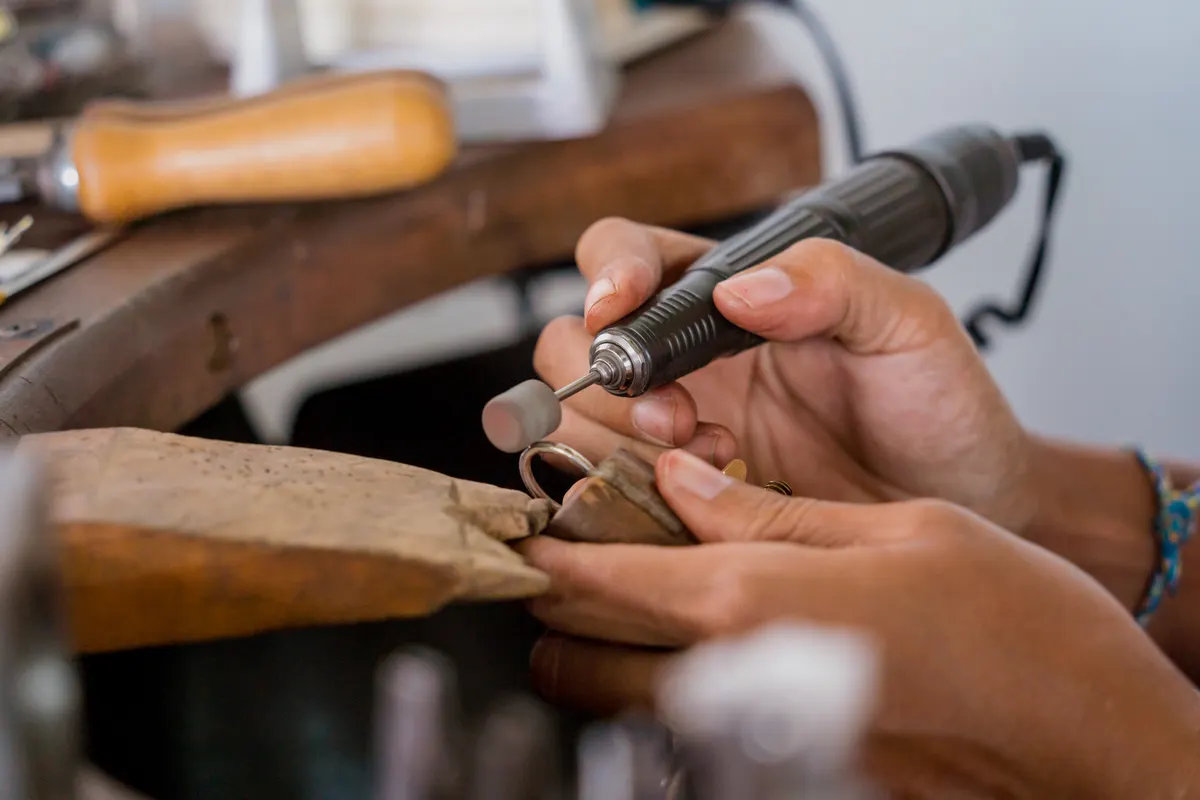
Personalized jewelry is sold on a deadline and made after the order. A name necklace, an engraved bar, a birthstone ring or a piece with a child's handwriting on it takes days to make, cannot be resold if the spelling is wrong, and is almost always bought for someone else before a date. That makes the calendar the whole business: order-by dates for Mother's Day, Christmas and Valentine's Day matter more than any campaign setting, and a typo caught after dispatch is a refund with no product to put back on the shelf. Shoppers know all this and ask AI assistants how long personalised jewellery takes and whether they can return it before they ever reach a store.
We grow personalized jewelry brands that already sell online by working visitors, conversion rate, average order value and repeat purchases around that lead time. The work starts with a free written growth plan built on your own order and production data, then a base fee plus growth share scoped in that plan.
The personalised jewelry buyer starts with the person, not the product. They want something for their mother, their partner, a new baby or a friend, and they search for the idea: name necklace, birthstone ring, coordinates bracelet, handwriting pendant. They pick a piece, then they hit the part that makes this niche different: they have to type something. A name, a date, initials, a short message. They worry about spelling, about how the font will look, about whether the chain length suits the recipient, and about whether it will arrive by the date they have in mind.
The preview matters more than the photo. If the shopper can see their own text rendered on the piece, in the font they chose, at the right size, they order. If they have to imagine it, they hesitate, and if they have a deadline they go elsewhere. After the order, they want a confirmation that shows exactly what they typed, a chance to fix it before production starts, and a delivery date they can trust.
Returns are the second worry. Personalised goods are usually excluded from change-of-mind returns, and in the UK the Consumer Contracts Regulations carve them out of the cancellation right, so the policy has to be stated clearly and the proof step has to catch mistakes. A buyer who trusts the process comes back with the next name: a second child's birthstone, a grandparent's initials, an anniversary date.