Skip to content

Cat product marketing agency

Growth for cat product brands online: litter economics, wet food variety, multi-cat baskets, kitten season and the reorder flows that keep cat owners with you.

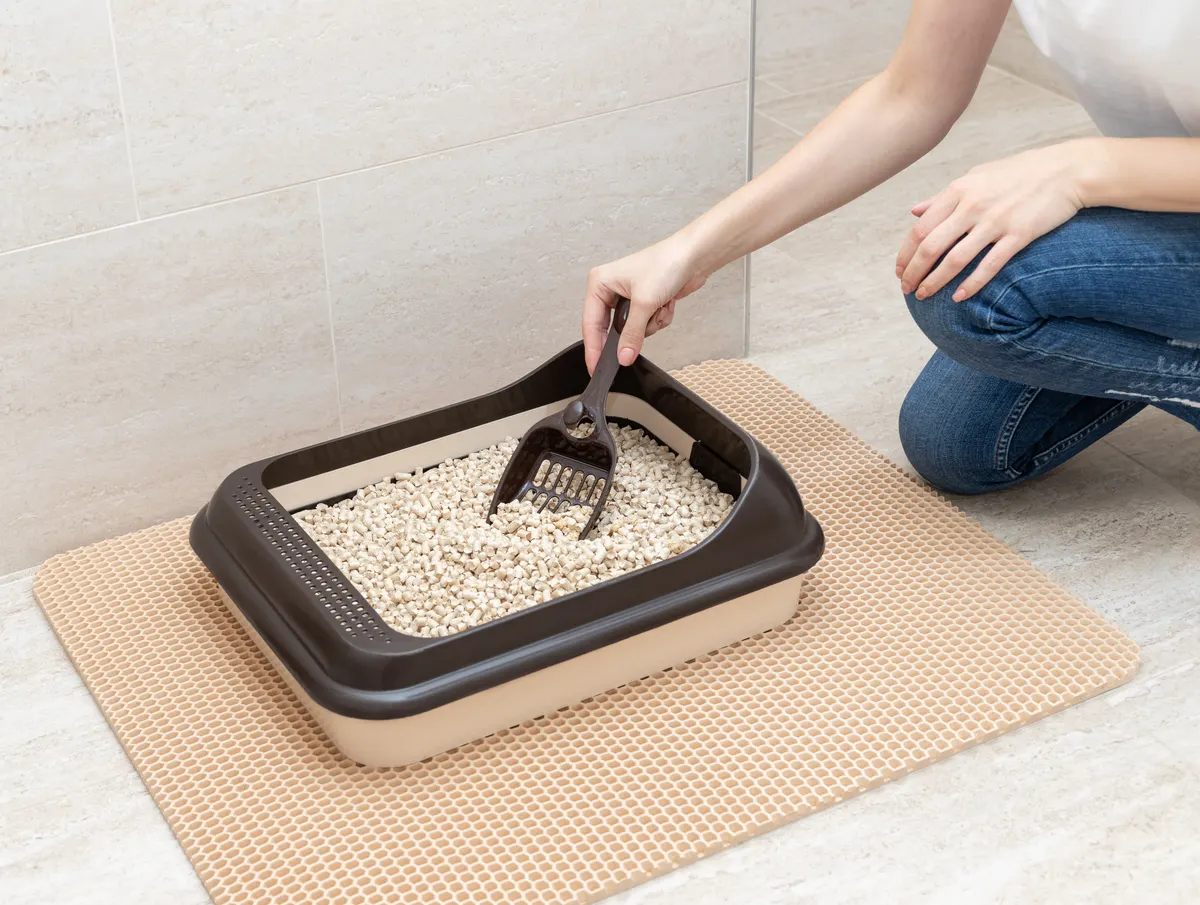
Cat product marketing agency: young woman cleaning cat litter box.

How cat owners shop for litter, food and gear

Cat product brands live or die on litter and wet food, because those are the two things a cat owner buys again and again without wanting to think about it. Toys, scratchers, fountains and litter box furniture matter, but they are bought once. The brand that becomes the default source of litter or the daily pouch owns the household's pet spending for years.

The complication is the cat. Cats refuse foods they ate happily last month, ignore expensive toys and boycott a litter box if the texture changes. Owners know this, so they buy cautiously, in small quantities first, and they read reviews looking for the words 'my fussy cat actually eats this'. Multi-cat households buy different quantities and worry about odour across three boxes.

We work with cat product brands that already sell online. We fix visitors, conversion rate, order value and repeat purchases, starting with a free written growth plan for your store. If you want us to carry it out, the fee is flat and monthly.

Cat owners buy in two moods. The replenishment mood is fast and habitual: the litter is low, the pouches are nearly gone, reorder whatever worked last time. The problem-solving mood is slow and anxious: the cat is peeing outside the box, refusing food, scratching the sofa, or a new kitten has arrived and nothing in the house is right.

In the replenishment mood, the deciding factors are price per litre or kilo of litter, price per pouch of wet food, and whether a subscription actually saves money. Litter is heavy and bulky, so shipping cost is visible in the price, and owners compare against what they can carry home from a shop.

In the problem-solving mood, the deciding factors are proof and specificity. Owners want to know whether a litter is unscented, how much dust it throws, whether it clumps hard enough to scoop, and whether it is safe if a kitten eats some. For food they want the texture, gravy or pate, the protein, and whether it is a complete food or a complementary treat. For scratchers and trees they want the height, the base weight and whether a large cat will tip it.

Across both moods, variety matters more for cats than for dogs. Owners buy mixed-flavour cases because a single flavour will be rejected within weeks. A brand that makes variety easy to buy and easy to reorder with a different mix keeps the household.
Where cat product brands
lose revenue

The four levers, in this niche.

Visitors

Reach the household, not just the searcher

Cat owners search by problem more than by product: litter that does not track, food for a cat that vomits, how to stop scratching. We build search and Shopping campaigns around those problems and around kitten season, when new owners set up everything at once. Social reaches the household through content that shows the product doing its job, and organic pages answer the behaviour questions that precede a purchase.

Conversion rate

Answer the picky-eater doubt on the page

The main reason a cat owner does not buy a new food or litter is fear of rejection. We put the answer on the page: a trial size or mixed case as the visible first option, reviews filtered for fussy-cat phrases, an honest texture and scent description, and a transition note for litter, since cats need the new litter mixed in gradually. For furniture, a height and base-weight line sits next to the price.

Average order

Build the monthly cat box

A cat household buys litter, wet food and dry food on overlapping cycles. We design a monthly basket that combines them at the right quantities for one, two or three cats, with the mixed-flavour case as the wet food default. A litter and food basket clears the free-shipping threshold on its own and carries the bulky litter cost better than litter alone. Fountains, scratchers and toys are offered as additions.

Repeat purchases

Litter is the reorder anchor

Litter runs out on the most predictable cycle in the house, and it is the product owners least want to think about. We make litter the anchor of the subscription, with wet food attached at a flexible mix, and time reminders to the number of cats and boxes the customer told us about at checkout. Flavour rotation in the food subscription prevents the boredom cancellation that single-flavour subscriptions suffer.

What we do for
cat product brands

Five channels, one plan.

Google Shopping and search

Shopping ads where litter margin is thin

Litter is the most searched cat product and the hardest to advertise profitably, because it is heavy, bulky and compared on price. We run litter in its own Shopping campaign with bids set against delivered margin per bag size, and exclude regions where shipping makes the price uncompetitive. Wet food is split by format, since pouches, trays and cans attract different queries, and mixed cases get their own listings so the variety query lands on a variety product. Search ads target the problem queries: litter for a cat with asthma, food for a cat that throws up, a scratcher for a large cat. Those go to filtered collections, not the home page. Brand terms sit in a capped campaign because they are mostly reorders. We check the litter campaign weekly against delivered cost, since a small price move elsewhere can flip it from profit to loss.

Meta and TikTok

Cat content that sells, not just entertains

Cat video is the most watched pet content on Meta and TikTok and most of it sells nothing. The creative that moves product shows a specific problem being solved: a scoop test showing how a clump holds, a fussy cat eating a new pouch on the third try, a heavy cat climbing a scratcher that does not wobble, a kitten using a box for the first time. We build ad sets for new kitten owners, multi-cat households and owners making a health-related food change, written in the plain worried language those owners use. TikTok content is filmed by the brand: the dust test, the pouch texture close-up, the odour check after a day. Retargeting is tight: a litter page viewer sees the trial bag with the transition note; a trial buyer sees the subscription with the variety mix.

Merchant Center and the feed

Litter, wet food and toys in one clean feed

A cat product feed spans consumables and hard goods, and each needs its own attribute discipline. Litter needs unit pricing by weight or volume, whichever your packaging states, and titles that say the type, scent status and bag size, because unscented and clumping are the words shoppers scan for. Wet food cases need the multipack attribute with the correct count, and mixed cases need a title that says which flavours are inside. The Google product category maps litter, food and furniture to their own nodes under cat supplies. For scratchers and trees we add product dimensions and shipping weight so the shipping estimate is honest. Custom labels separate consumables from hard goods and mark margin bands. We keep availability accurate on litter, which sells out in bursts, and remove out-of-stock flavours from mixed case listings rather than leaving them to disapprove.

SEO and AI search

The questions cat owners type into AI assistants

Cat owners ask assistants about behaviour first and products second: why is my cat peeing outside the box, how many litter boxes for two cats, how do I switch litter, is this plant safe for cats, how much wet food should a cat eat a day. Assistants answer from pages that state facts plainly, so we write those pages on your site and link each answer to the relevant product. Each litter page gets a literal texture, scent, dust and clumping description plus a transition method. Each food page gets a feeding amount by cat weight, the protein, the texture and whether it is complete or complementary. Collections are organised by problem and by number of cats, not by product line. We avoid health claims the packaging does not make. The behaviour articles bring in visitors who are days from buying.

Email and SMS

Flows around litter and wet-food cycles

A cat household has two reorder clocks that rarely line up: litter every few weeks depending on cats and boxes, wet food on a faster cycle depending on pouches per day. We ask for the number of cats at checkout or in the welcome flow, use it to estimate both cycles, then send a combined reminder that fills the basket in one tap. The first-order flow for litter includes the mixing method; for food it includes the note that a cat may need several tries. Subscribers get a message before each shipment with the option to change the flavour mix, which is the best defence against the boredom cancellation. SMS is used only for the shipment notice and the low-litter reminder. Win-back for lapsed customers leads with the product they bought most, which is almost always litter.

First three fixes

What the plan usually starts with for cat product brands.

  1. Fix the multi-cat quantity logic

    Most cat stores price and package for one cat. A household with three cats needs different bag sizes, different subscription intervals and a different free-shipping calculation. Ask for the number of cats early, then let the site adjust quantities and reminders around that number.

  2. Fix the litter shipping economics

    If litter loses money on every order shipped alone, do not advertise it alone. Bundle it with food so the basket carries the weight, set a threshold the bundle reaches, and steer single-litter buyers toward the subscription where the lifetime value covers the first shipment.

  3. Fix the flavour-variety path

    A single-flavour default sets up a rejection and a cancellation. Make the mixed case the first option on every wet food page, show what is inside it, and let subscribers change the mix before each shipment without contacting support.

Questions from cat product brands

By not competing on litter alone. We build a basket that carries the shipping cost across litter and food, make the subscription the profitable path, and advertise litter only where the delivered price makes sense. We also lead with the qualities owners cannot check on a shelf, such as dust and clumping, shown on video.

Kittens are born in greater numbers from spring into early autumn, so new-kitten purchases cluster in those months. New owners buy everything at once. We plan a kitten starter bundle, kitten-specific ads and a welcome flow that carries the new owner through the months when habits form.

Yes. We make the trial size and mixed case the visible first option, write honest texture and scent descriptions, surface reviews that mention fussy cats, and build a first-order flow that explains gradual introduction and offers a different texture if the first is refused. Refunds fall and second orders rise.

Unit pricing so the price per kilo or litre is comparable, the multipack attribute for cases of pouches or cans, titles that state type and scent status for litter, correct category mapping for litter, food and furniture, and accurate availability on flavours and bag sizes that sell out in bursts.

Only where the margin supports it, and usually as additions to a consumables basket rather than a standalone campaign. Scratchers and trees do well in social where video shows stability and size. In Shopping they compete against many similar listings, so they get budget only when the numbers hold.

Other pets stores we work with

Send your cat product brand store.

The plan says which lever is leaking and what to fix first, for your store as it is today.

Store, name, email and phone. A person replies from a real inbox. Privacy

Get your free growth plan