Skip to content

Dog collar & leash marketing agency

Growth for dog collar, harness and lead brands online: measurement-based sizing, matching sets, personalised tags and the new-puppy moment. growth-based fee.

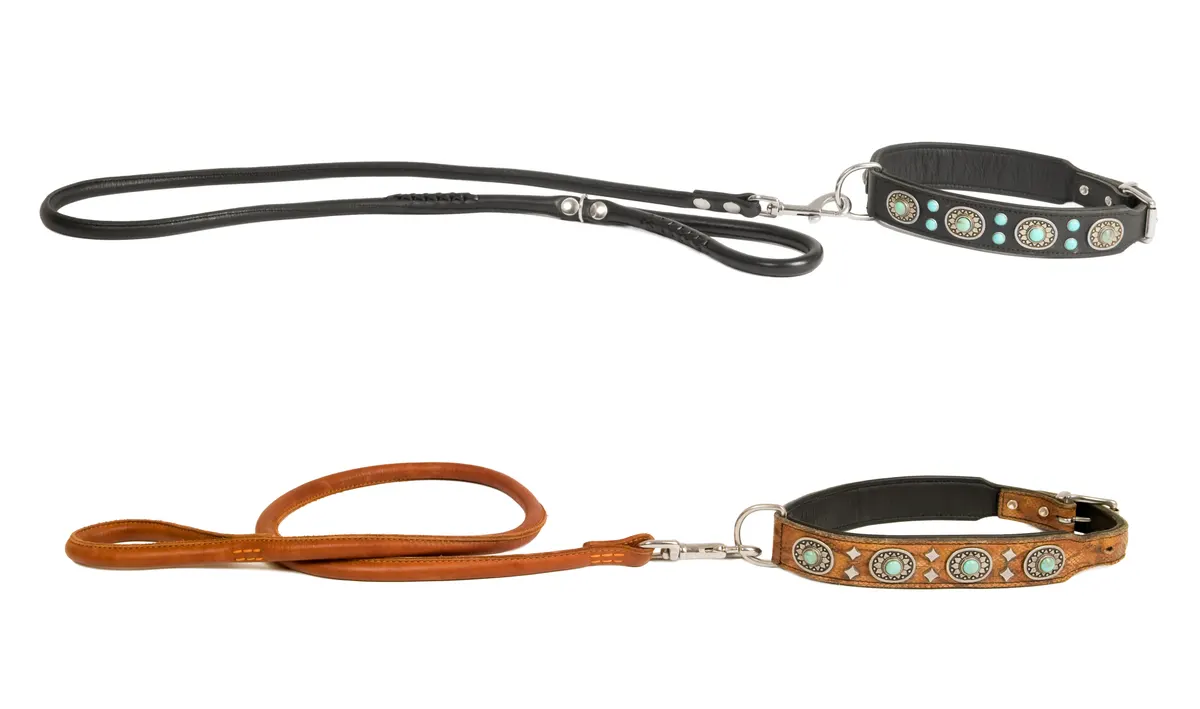
Dog collar & leash marketing agency: two dog collar with leash.

How people choose a collar, harness or lead

A collar, harness or lead is bought once and judged on fit, so the whole sale rests on a measurement most owners have never taken. Neck circumference, chest girth and the gap for two fingers decide whether the order is kept or returned, and breed is a poor proxy: two labradors can be three sizes apart. Get sizing right and the rest follows, because a collar that fits is recommended at the park.

The other thing that makes this niche its own is the moment of purchase. Most first orders happen when a dog is new: the puppy arrives, the rescue comes home, the adolescent dog starts pulling. The owner is buying a collar, a lead, a harness and an ID tag at once, in a colour they already have in mind. That is a set sale, and the store should be built around it.

We work with collar and lead brands that already sell online and want visitors, conversion rate, order value and repeat purchases to move together. The growth plan is free and written for your store. If you take it further, the fee is flat and monthly.

The purchase begins with a need and a picture. The need is practical: a new dog, a broken buckle, a dog that slips its collar, a puller that needs a front-clip harness, a walk in the rain that ruined the leather. The picture is what the owner wants the dog to look like, which is why colour and material come first on the page.

The owner then hits the sizing question. A good store asks for measurements, neck circumference for a collar, chest girth and neck for a harness, and shows how to take them with a tape. A poor store asks for the breed and hopes. Sighthound owners look for a martingale that will not slip over a narrow head. Owners of strong dogs look at hardware and stitching. Owners of small dogs look for lightweight buckles.

Material decides the use. Leather for looks and longevity, coated webbing for mud and water, nylon for price, rope for a lead that is easy on the hands. Owners of dogs that swim want something that will not smell.

Personalisation matters more here than in most pet gear. An engraved plate or an embroidered name removes the jangling tag, and owners will pay for it and wait for it. Once the set fits, the owner comes back for a spare lead, the next size for a puppy, or a second dog.
Where dog collar & leash brands
lose revenue

The four levers, in this niche.

Visitors

Traffic from the new-dog moment

The highest-intent searches in this niche are new-puppy and new-rescue searches, along with the problem searches: harness for a dog that pulls, collar a dog cannot slip, lead for two dogs. We build search, Shopping and organic pages around those moments and problems, and time social budget to adoption season and the weeks after the holidays when new dogs arrive in homes.

Conversion rate

Measure the neck, not the breed

A size chart built on measurements, with a short guide showing where to put the tape, is the biggest conversion fix in this niche. We put it beside the size selector, add a photo of each size on a real dog with the weight and breed named, and show the adjustment range in centimetres so a growing puppy's owner can see which size lasts longest. Plain exchange terms sit next to it.

Average order

The matching set as the default

Most owners want the collar, lead and harness in the same colour and material. We make the set the first option on every product page, price it visibly against the separate items, and offer the engraved tag or embroidered name as the add-on that turns a set into a personalised gift. A poop bag holder or a spare lead clip is the small addition that tips a basket over the free-shipping line.

Repeat purchases

Puppies outgrow, hardware wears

Repeat in this niche comes from growth, wear and the second dog. A puppy collar is replaced within months, a lead clip wears, a colour is replaced by a new season's colour. We time the puppy follow-up to expected growth, send a wear check after a year on a lead or harness, and treat a second-dog purchase as a natural event rather than a surprise. Customers who bought a personalised item are reminded when a new colour arrives in their size.

What we do for
dog collar & leash brands

Five channels, one plan.

Google Shopping and search

Shopping ads for colour and size variants

Collars and leads are variant-heavy, and Shopping only works when the colour and size the shopper wants is the one shown. We structure campaigns by product type, collar, harness, lead, tag, and within each by material, because leather and webbing attract different queries and prices. Colour variants each get their own image so the ad matches the search. Search ads pick up the problem queries Shopping misses, such as a harness for a dog that pulls or a collar for a greyhound, and send them to a filtered collection with the size guide visible. Personalised items are advertised on the personalised query, not the generic one, because the lead time and price differ. Brand terms sit in a capped campaign. We bid up on the set listing, since the set carries the margin, and exclude out-of-stock sizes so the ad never lands on an unavailable variant.

Meta and TikTok

Walk video and the fit close-up

Collar and lead creative is easy to make pretty and hard to make convincing. What sells is the fit close-up: the two-finger gap, the buckle closing, the harness sitting off the shoulder, the martingale tightening without choking. We pair those with walk footage of real dogs in the colours, named by breed and weight, so a shopper can find a dog like theirs. Ad sets are built around the new-puppy audience, the adopter audience and the problem audiences, pullers and slippers, with copy that names the problem. TikTok content from the brand shows the material tests, mud and water on coated webbing, a leather collar after a year, the engraving being done. Retargeting shows the set in the colour the shopper viewed, then the personalised add-on. Seasonal creative covers adoption season, spring walking and the holiday gift set.

Merchant Center and the feed

Variant feeds for sizes, colours and personalised items

The feed for a collar brand is mostly variants, and the discipline is in keeping them clean. Each colour and size combination is its own item with the parent grouped by item group id, with the colour and size attributes filled in rather than buried in the title. Material is set as an attribute, since shoppers filter by it. The Google product category maps collars and harnesses and leads to their own nodes under pet supplies. Personalised items are marked as custom products without a GTIN using the identifier exists attribute set to no, and their titles state that engraving or embroidery is included. Stock levels per size must be accurate, because a sold-out size on a popular colour is the most common cause of a wasted click. Set listings are flagged with the bundle attribute. Custom labels mark material and margin band, and product highlights carry the adjustment range and the hardware type.

SEO and AI search

Fit and safety questions owners ask

Owners ask assistants how to measure a dog for a harness, how tight a collar should be, whether a puppy should wear a collar all day, what a martingale is for, and whether a harness or collar is better for a pulling dog. Assistants answer from pages that explain plainly, so we write a fit guide with a measuring method and photos, a page on each collar type and what it is for, and a section on every product page answering the three most common questions about that product. Collection pages are organised by the owner's need, small dogs, strong dogs, sighthounds, puppies, water dogs, as well as by material and colour. Size charts are written in text as well as in a table so they can be quoted. The language stays literal and consistent, and every page says what the product is not for, which owners respect and assistants reward.

Email and SMS

Post-purchase flows for gear that lasts

Collar brands do not have a replenishment cycle, so the email programme is built on events. The post-purchase flow confirms the fit method and asks the owner to check the two-finger gap in the first week, which catches sizing problems before they become returns. A puppy buyer gets a growth follow-up a few months later with the next size in the same colour. A lead or harness buyer gets a wear check after a year with a note on what worn stitching looks like. When a new colour or material arrives, customers who bought that product get a message in their recorded size. The gift flow before the holidays leads with the personalised set and the engraving deadline. SMS is used only for the order and the personalisation confirmation. Win-back is rare here; a second-dog flow, triggered when someone buys a second size, is more useful.

First three fixes

What the plan usually starts with for dog collar & leash brands.

  1. Fix the size chart and its returns

    If your returns are mostly size exchanges, the chart is the problem. Rebuild it on measurements with a photographed method, show the adjustment range per size, and name real dogs with their weights against each size. Exchanges fall and the reviews stop mentioning fit.

  2. Fix the personalisation preview

    Shoppers hesitate to order engraving or embroidery they cannot see. A live preview of the name on the collar in the chosen colour, with the font and the character limit shown, removes the hesitation and cuts the emails asking whether the name will fit.

  3. Fix the harness compatibility note

    A lead that does not clip to your harness, or a collar that will not take the tag, creates a return and a bad review. State on every product which of your other products it pairs with and which hardware it uses, and show the set that already solves it.

Questions from dog collar & leash brands

By moving the size choice from breed to measurement. We rebuild the chart around neck and chest measurements with a photographed method, show the adjustment range for each size, name real dogs against each size, and send a fit check in the first week after delivery. Most exchanges come from guessed sizes.

Yes. Personalised searches carry a different intent, a higher price tolerance and a longer lead time. They deserve their own campaign, a landing page with the preview tool, and their own feed setup as custom products. Mixing them into generic collar ads wastes budget on shoppers who want stock tomorrow.

Around adoption season and the weeks after the holidays when new dogs arrive, in spring when walking increases, and before the holidays for gift sets. We time budget, creative and email to those windows and keep the problem-search campaigns running all year.

From growth, wear and the second dog. Puppy buyers need the next size within months. Leads and harnesses wear and get replaced. New colours bring back owners who like the material. We build event-based flows for each rather than pretending there is a monthly cycle.

We treat the collar range as a set-and-event business and the consumables as a replenishment business, with separate campaign structures and email logic. This page covers the gear side; the dog food and dog treat pages cover the other.

Other pets stores we work with

Send your dog collar & leash brand store.

The plan says which lever is leaking and what to fix first, for your store as it is today.

Store, name, email and phone. A person replies from a real inbox. Privacy

Get your free growth plan