Skip to content

Pet apparel marketing agency

Growth for dog coat and pet clothing brands online: back-length sizing, harness openings, a short winter peak and returns caused by breed-shaped fits.

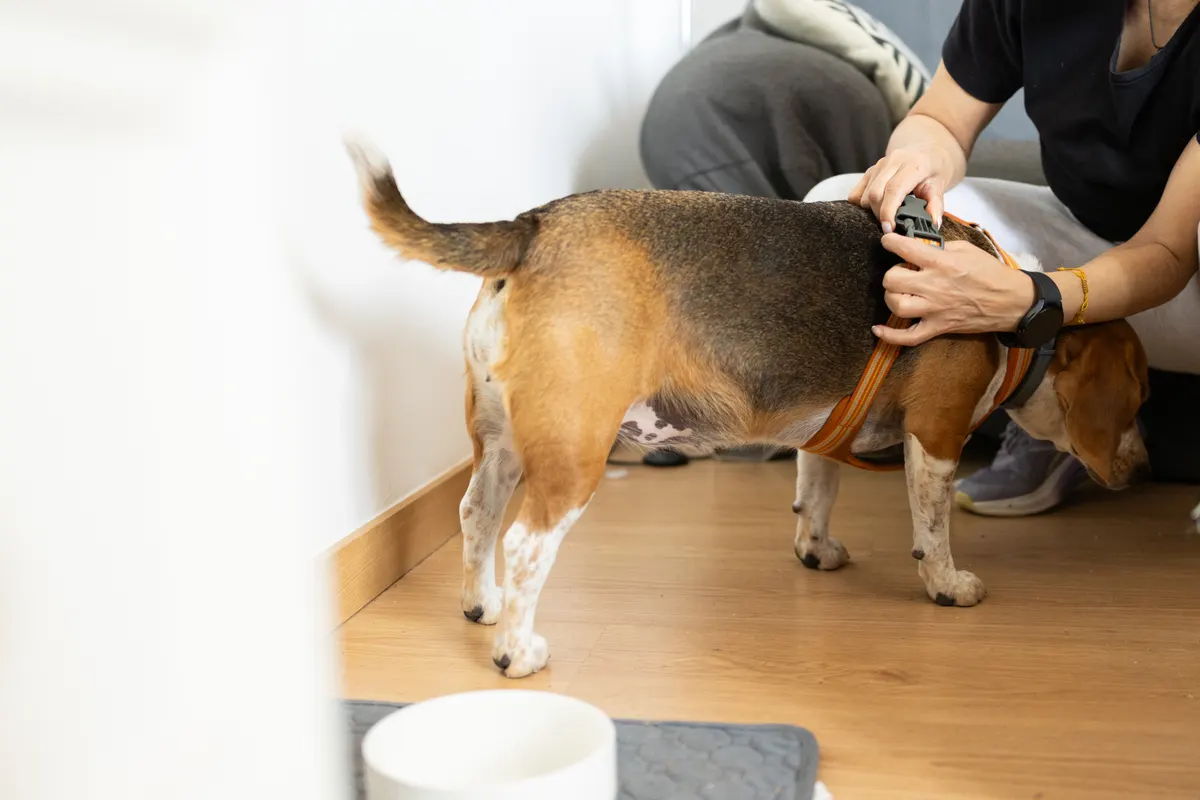
Pet apparel marketing agency: person fastening orange harness on a beagle dog.

How owners shop for a coat, jumper or costume

A pet apparel brand is judged on one number before any other: the share of orders that come back because the garment did not fit. Dogs are not shaped like sizes. A dachshund and a beagle can weigh the same and need completely different coats, and a shopper who picks by breed name instead of by measurement has already started a return.

So the work begins at the size chart. Back length from the base of the neck to the base of the tail, chest girth at the deepest point, neck girth, and a plain note about which of those three decides the fit for each garment. Then it moves to the calendar, because pet clothing is a short season stacked on top of a long one. The autumn and winter coat window is sharp and unforgiving, the summer window for cooling vests and sun shirts is smaller, and the costume and festive-jumper weeks arrive with hard shipping cut-offs and a gift buyer who has never measured a dog in their life.

We work with brands that already sell pet clothing online. The growth plan is free and written for your store. If you want us to carry it out, the fee is flat and monthly.

Almost nobody browses pet clothing. Something happens first. The weather turned and the whippet is shivering on the morning walk. The vet said the older dog is stiff in the cold. The puppy has outgrown last year's coat. A rescue arrived with a thin coat and no undercoat. Halloween is in three weeks. Each of those arrivals wants a different garment and a different promise.

The first thing the shopper looks for is a photo of a dog shaped like theirs. A coat modelled only on a labrador tells a greyhound owner nothing, and a long-backed breed owner will leave rather than guess. The second thing is the measurement guide, and whether it asks for a tape measure or for a breed.

Then come the practical details. Is there an opening for a harness lead, and does it line up with a front-clip harness as well as a back-clip one. Is the underbelly covered for a male dog without soaking. Is it waterproof or shower resistant. Can it go in the washing machine after a muddy field.

Gift buyers behave differently again. They do not have the measurements, they are working to a delivery date, and they want a size guide by weight or a gift receipt. Both audiences are worth serving, but not with the same page.
Where pet apparel brands
lose revenue

The four levers, in this niche.

Visitors

Be there on the first cold morning and the first costume search

Pet apparel demand is weather led and date led. Coat searches climb with the first real cold snap in each region, and costume searches begin weeks before the day. We build campaigns you can turn up by region as the temperature drops, keep breed-shape queries such as coats for deep-chested dogs in their own ad groups, and prepare the festive and Halloween listings early so they are indexed and approved before the demand shows up rather than during it.

Conversion rate

Ask for a tape measure, not a breed

The fastest conversion gain in pet apparel is a size finder that takes back length, chest girth and neck girth and returns one size with a reason. We put it above the size selector, add a short video showing where to hold the tape on a live dog, and show the same measurement on the product photos. Breed suggestions stay as a hint underneath, never as the primary path, because two dogs of the same breed can sit in different sizes.

Average order

Sell the walk, not the single garment

One coat is a small order. The natural basket is the coat with a matching snood or fleece for milder days, a set of paw balm or boots for grit and salt, and a spare for the days the first one is drying. We build those pairings into the product page and the cart, price them so the shopper sees the sense in taking two, and set the free shipping threshold where a coat plus one accessory reaches it instead of a coat alone.

Repeat purchases

Puppies grow and seasons change

Garments do not wear out quickly, so repeat comes from growth and from the calendar. A puppy bought a small coat in November and will need the next size before spring. A customer who bought a waterproof in autumn is a candidate for a cooling vest in summer and a fleece for spring. We tag orders by size purchased and by dog age at purchase, then time the next-size and next-season messages to those dates rather than to a general promotion schedule.

What we do for
pet apparel brands

Five channels, one plan.

Google Shopping and search

Shopping ads that survive a colour and size explosion

One coat design in six sizes and four colours is twenty-four listings that all look alike in a Shopping result. We group them properly so Google shows one representative listing per design and the shopper lands on a page where their size is in stock, rather than on a sold-out variant.

Campaign structure follows garment purpose, not season name. Waterproofs, insulated coats, cooling vests, jumpers, costumes and boots behave differently and deserve their own budgets. Search ads carry the shape queries that Shopping matches poorly, such as a coat for a dog with a long back or a harness-compatible jacket, and send them to a filtered collection.

We use scheduling and regional bid changes so budget follows the cold. Costume campaigns get a hard end date tied to your last dispatch day, because a click after that date is money spent on an order you cannot deliver.

Meta and TikTok

Meta and TikTok where the dog is the size chart

Pet apparel is one of the few categories where a lifestyle photo is also proof. A coat on a real dog on a real wet street answers the fit question and the weather question at the same time, and it stops the scroll without a single claim.

The creative that works shows the same garment on three differently shaped dogs, states the measurement each one needed, and shows the harness opening in use with a lead clipped through it. On TikTok the honest formats are the measuring demonstration, the first-walk clip and the after-the-mud wash. We build audiences around breed-shape interest, new puppy signals and cold-weather regions, and keep a separate gift-buyer angle running through December with delivery dates in the ad itself.

Retargeting is short and specific. Anyone who used the size finder without buying sees the size they were given, in stock, with the returns terms stated.

Merchant Center and the feed

Feed setup for pet clothing, which is not clothing

Pet apparel sits in the pet supplies branch of the Google product taxonomy, not the apparel branch, so the rules you may have read for human clothing do not all apply. What still matters is that every size and colour of a design shares one item group ID, so variants are understood as a family and not as duplicates competing against each other.

Size should be written the way your chart writes it, consistently across every listing, and the title should carry the garment type, the key feature and the size in the order a shopper scans. Colour values need to be plain words, not your internal shade names, or the colour filter will not group anything.

Availability per size has to be accurate and frequent, because coats sell out in the middle sizes first. Product highlights carry the facts that decide the sale: harness opening, machine washable, reflective trim, belly coverage.

SEO and AI search

The sizing and shape questions owners put to assistants

Owners ask assistants very specific questions before they buy: how do I measure my dog for a coat, what size coat does a whippet need, do greyhounds need coats in winter, will a coat rub my dog under the front legs, is a raincoat enough or does she need insulation. Those questions get answered from pages that state the answer in plain text, so we write them on your site.

Each product page gets a measurement section, a fit note for the shapes that struggle in that cut, a washing and drying instruction, and a short answer to the two questions your support inbox gets most about that garment. Collection pages are organised by dog shape and by weather job, such as deep chested, long backed, thin coated, wet and cold, rather than by your internal range names.

We keep the language literal and avoid welfare claims your product cannot support.

Email and SMS

Email and SMS on the growth curve and the weather

The best-performing message in pet apparel is not a promotion. It is a next-size prompt sent to the owner of a puppy who bought the smallest size several months ago, with the measuring video attached and a note that a coat that pulls at the shoulders needs replacing before the cold sets in.

Around that sit three flows. A welcome sequence that leads with the measurement guide rather than a discount, because a correct first order is worth more than a cheap one. A seasonal flow that offers a cooling vest in summer to winter coat buyers and a fleece in spring, keyed to the customer's own region. A post-delivery flow that asks whether the fit was right and routes an exchange in one tap instead of a return.

SMS is reserved for the last dispatch dates before Halloween and December, where the deadline is the message.

First three fixes

What the plan usually starts with for pet apparel brands.

  1. Fix the size chart before you fix the ads

    If your chart lists breeds or weights alone, your return rate is being set by guesswork. Rebuild it on back length, chest girth and neck girth, say which of the three governs each garment, and show a dog being measured. Every pound spent on traffic before this is a pound spent shipping coats back.

  2. Fix the harness question on every listing

    Most dogs wear a harness, and most abandoned pet apparel carts have a harness behind them. State whether there is a lead opening, whether it works with a front-clip harness as well as a back-clip one, and show a photo with a lead actually clipped through it.

  3. Fix the costume cut-off dates

    Seasonal listings that stay live past your last dispatch day generate orders you cannot fulfil and refunds you did not need. Set the end date in the campaign, in the feed availability and in the on-page delivery message, and switch the costume budget to coats on the same day.

Questions from pet apparel brands

A measurement-based size finder placed above the size selector, product photos on more than one dog shape, and a fit note naming the breeds and builds that sit between sizes in that cut. Offering a one-tap exchange rather than a refund also keeps the revenue and gives you the data on which sizes run small.

By selling a different garment. Cooling vests, sun shirts for thin-coated dogs, and lightweight rain shells carry the warm months, and travel or drying coats sell year round. We also use summer to prepare the winter listings, images and feed so the first cold week is spent selling rather than uploading.

No. Costumes are bought by date, often as a gift, by someone who does not have the dog's measurements. Everyday coats are bought by need, by the owner, with a tape measure to hand. They need different landing pages, different sizing help and different campaign end dates.

Describe what the product is and does rather than what it prevents. Say the fabric weight, the lining, the water resistance rating you can support and the reflective trim. Avoid health or safety outcomes you cannot stand behind, because those claims cause ad reviews and disappointed customers in equal measure.

Yes, mostly on the entry point. Cat owners search far less for apparel and buy more for recovery suits, cooling and safety visibility, so those need their own collection and their own language rather than being filed under a dog-led range.

Other pets stores we work with

Send your pet apparel brand store.

The plan says which lever is leaking and what to fix first, for your store as it is today.

Store, name, email and phone. A person replies from a real inbox. Privacy

Get your free growth plan