Skip to content

Craft subscription marketing agency

Growth for craft subscription boxes: skill-level tracks, finished project proof, dye lots, colourway choice, stash pacing and support that keeps makers going.

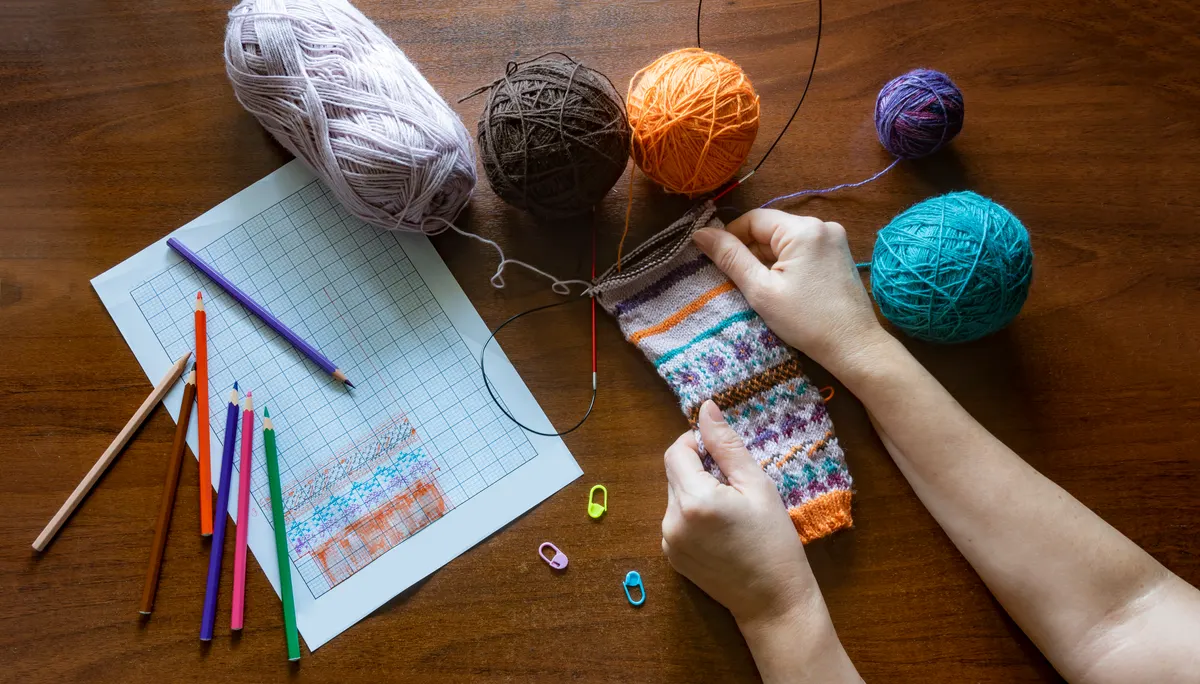
Craft subscription marketing agency: hands Knitting Fair Isle Sock.

How makers choose a box and why the stash defeats them

A craft box is only worth what gets finished. The materials are not the product, the completed thing is, and a subscriber with four unopened kits under the bed will cancel while telling you the yarn was lovely. Completion is the retention number in this category, and almost nobody measures it.

That changes what the business has to supply. Materials are the easy part. Tested patterns, video for the two steps everyone gets wrong, somewhere to ask when a stitch count goes off and honest project times decide whether the box becomes an object or a pile.

The second box is where perceived value drops. The first one usually contains tools, needles, hooks, a frame, and the second contains only materials, so it looks thinner for the same price. If you have not explained that in advance, month two is where you lose people.

We work with craft subscriptions that already ship and want acquisition judged on projects finished and boxes received. The growth plan is free. The fee after it is flat and monthly.

Makers arrive with a discipline and a skill level and will not compromise on either. A knitter is not looking for a general craft box, and an experienced cross stitcher is insulted by a beginner kit sold as a challenge. The first thing they look for is finished projects from previous months, photographed as objects rather than as flat lays of supplies, because that is how they judge whether the design is worth their hours.

The second is what is included and what is assumed. Do they need their own hoop, their own scissors, a sewing machine, a printer for the pattern. Experienced makers own most tools already and quietly resent paying for another pair of small scissors. Beginners need everything and need to be told so.

Time is the honest constraint. A project described as an evening that takes fifteen hours is a broken promise, and makers talk about it. Stating a realistic range, with the fiddly stage flagged, sells better than optimism.

Colour is where hand-dyed materials get complicated. Dye lots vary, so two skeins from different batches will not match, and a subscriber who wants to combine boxes needs telling.

The stop point is the stash. Materials outpace evenings, the guilt builds, and cancelling is the way to stop the guilt.
Where craft subscription boxes
lose revenue

The four levers, in this niche.

Visitors

Advertise by craft and skill, never by craft in general

There is no such person as a general crafter. There are knitters, crocheters, cross stitchers, quilters, candle makers and jewellery makers, and they use different words for the same idea. We build separate campaigns for each discipline with the vocabulary of that community, split beginner intent from experienced intent, and lean into the autumn and winter months when indoor crafting demand rises. Sources are reported by boxes received per member and, where you can capture it, by projects finished.

Conversion rate

Lead with finished objects and honest hours

Show the last several months as completed pieces, photographed in a home rather than as a pile of supplies, then state the skill level in terms of techniques used, the realistic time range including the tricky stage, and exactly which tools the household must already own. That combination converts the experienced maker, who is judging the design, and the beginner, who is worried about being out of their depth. It also stops the refunds that follow a project nobody could finish.

Average order

Sell the extra skein, the tool upgrade and the pattern back catalogue

Makers spend more once they are committed to a project. Extra materials to make the piece bigger or a second one as a gift, upgraded tools they will keep for years, storage for the stash, and the back catalogue of past kits all sell to an active subscriber. We put the matched additions in the pre-shipment message tied to the specific project, and offer bundles of past projects during the quiet summer months when people plan rather than make.

Repeat purchases

Protect completion, then pace the stash

Retention here is finishing. We build support around the two or three steps where projects stall, follow each delivery with a check on progress, and run a monthly makealong so people work at the same time as others. When materials outpace evenings we offer a slower cadence or a smaller project instead of waiting for a cancellation, because a maker who moves to quarterly keeps buying and one who is buried in unopened kits does not.

What we do for
craft subscription boxes

Five channels, one plan.

Google Shopping and search

Kits and materials sell themselves in the feed

Single kits, past projects, yarn and fabric by the unit, tools and storage all list at fixed prices and perform well, because a maker searching for a specific weight of yarn or a particular hoop size wants it now. Those buyers are also the warmest subscription prospects you will find, so the follow-up after a one-off kit matters as much as the sale. Search ads carry the plan, split by discipline and skill: beginner cross stitch subscription, sock yarn club, candle making kit delivered monthly, quilting fabric subscription. Autumn is the season that funds the year in most crafts, so budget shifts there and gift terms run from October. Digital patterns delivered as downloads need care before they go anywhere near a feed, so we keep Shopping to physical goods and sell patterns from the site instead.

Meta and TikTok

Process video, and the finished object at the end

Craft is the most watchable subscription category there is. Hands working, a needle going through fabric, wax setting, a stitch pattern emerging over a time lapse. What makes it convert rather than merely entertain is ending on the finished object in a real room. We film the project from box to result, cut a version that shows the difficult stage honestly, and label every piece with its skill level and time range. Ad sets are split by discipline because a quilter will not respond to candle making footage. Community content does the heavy lifting: members photograph their finished pieces, and with permission those become the most credible creative you have, since they show the same kit made in different colourways by people of varying skill. Discounting is kept to gift windows.

Merchant Center and the feed

Materials, dye lots and what a kit title needs to say

Craft materials sit under the arts and entertainment branch of Google's taxonomy, in hobbies and creative arts. Branded tools and manufactured yarn carry real GTINs. Hand-dyed yarn, cut fabric and kits you assemble do not, so identifier_exists is set to no and the title carries the craft, the technique, the skill level and the quantity, for example intermediate cross stitch kit with fourteen count aida and eight thread colours. Quantities matter more here than in most categories because a maker is calculating whether there is enough to finish. Hand-dyed stock needs dye lot handling: if two listings cannot be colour matched, say so in the description rather than letting a customer assume. Colour values should be real colour names for filtering. Kits with sharp tools included need the same care over restricted destinations as any bladed item.

SEO and AI search

Skill level, tools and time, answered honestly

Makers ask assistants very specific things before subscribing: what skill level is this really, do I need my own sewing machine or hoop, is the pattern included or is it a download, how long does one project take, is there enough yarn to finish, can I choose my colours, what if I make a mistake, do you send instructions for left handed crafters. Each deserves a page. A skill level page defines each tier by the techniques involved rather than by adjectives. A tools page lists what is supplied and what the household needs. A past projects archive per discipline shows finished pieces with their time ranges. Technique pages, how to do a particular stitch or seam, bring in steady search traffic from people mid-project and introduce the subscription to someone already making something.

Email and SMS

Get the project finished, then send the next one

The pre-shipment message previews the project, offers a colourway choice where you have one, extra materials, a swap to a different kit and a one-tap slower cadence for anyone with a backlog. After delivery the sequence is about completion rather than sales: a start prompt within a few days while enthusiasm is high, help at the stage where projects usually stall, and a finish prompt asking for a photograph. Those photographs feed the community gallery and the ad creative. A stalled-project message offers help rather than a discount, because someone stuck on row forty is not a churn risk yet. Members who skip twice are offered quarterly delivery or a smaller project. Gift recipients get an onboarding that establishes skill level before the first kit ships, so a beginner does not receive an advanced pattern.

First three fixes

What the plan usually starts with for craft subscription boxes.

  1. Fix the second-box drop

    The first box contains tools and looks generous, the second contains only materials and looks thin at the same price. Say this at sign-up, show what each of the first three boxes contains, and consider spreading the tools across the first two. Unexplained value drops end more craft subscriptions than any pattern ever has.

  2. Fix the optimistic project time

    Stating an evening for something that takes a weekend produces abandoned kits and reviews that mention it. Time your own makes, publish a range, flag the fiddly stage, and let members filter by hours available. Makers respect an honest number and plan around it, which is exactly the behaviour that leads to a finished object.

  3. Fix the unanswered stuck maker

    A project that stalls at one step and gets no help becomes a cupboard kit and then a cancellation. Add short video for the two or three steps that trip people, publish errata for patterns promptly, and give members somewhere to ask with a real answer coming back within a day.

Questions from craft subscription boxes

By technique, not adjective. Say which stitches, seams or methods the project uses and what a maker should already be comfortable with. Beginner and advanced mean different things in every craft, and someone who buys the wrong tier either finds it boring or cannot finish it, and both cancel.

Offer a slower cadence before they reach the cancellation page, and build completion support: a start prompt, help at the stalling step, and a finish prompt asking for a photo. A backlog produces guilt, and cancelling is how people relieve it. Quarterly members with a clear bench keep spending for years.

Yes. They have no manufacturer barcodes, so identifier_exists is set to no and the title carries craft, technique, skill level and quantity. Be explicit about dye lots in descriptions, since a customer who buys two listings expecting an exact colour match will be disappointed and will say so.

Whichever you choose, explain it at sign-up. Experienced makers already own tools and resent paying for duplicates, while beginners need everything. Many boxes solve this with a starter kit bought once and a materials-only subscription after it, which also fixes the value drop in the second month.

Strongly. Indoor crafts pick up as the evenings draw in and quieten over the summer, and gifting concentrates the autumn further. Plan the budget around that, use the quiet months for community activity, back catalogue bundles and pattern content, and do not judge summer acquisition by autumn standards.

Other subscription boxes stores we work with

Send your craft subscription boxe store.

The plan says which lever is leaking and what to fix first, for your store as it is today.

Store, name, email and phone. A person replies from a real inbox. Privacy

Get your free growth plan