Skip to content

Plant subscription marketing agency

Growth for plant subscriptions: light and pet-safety matching, winter shipping holds, arrival condition policies, regional restrictions and shelf-space pacing.

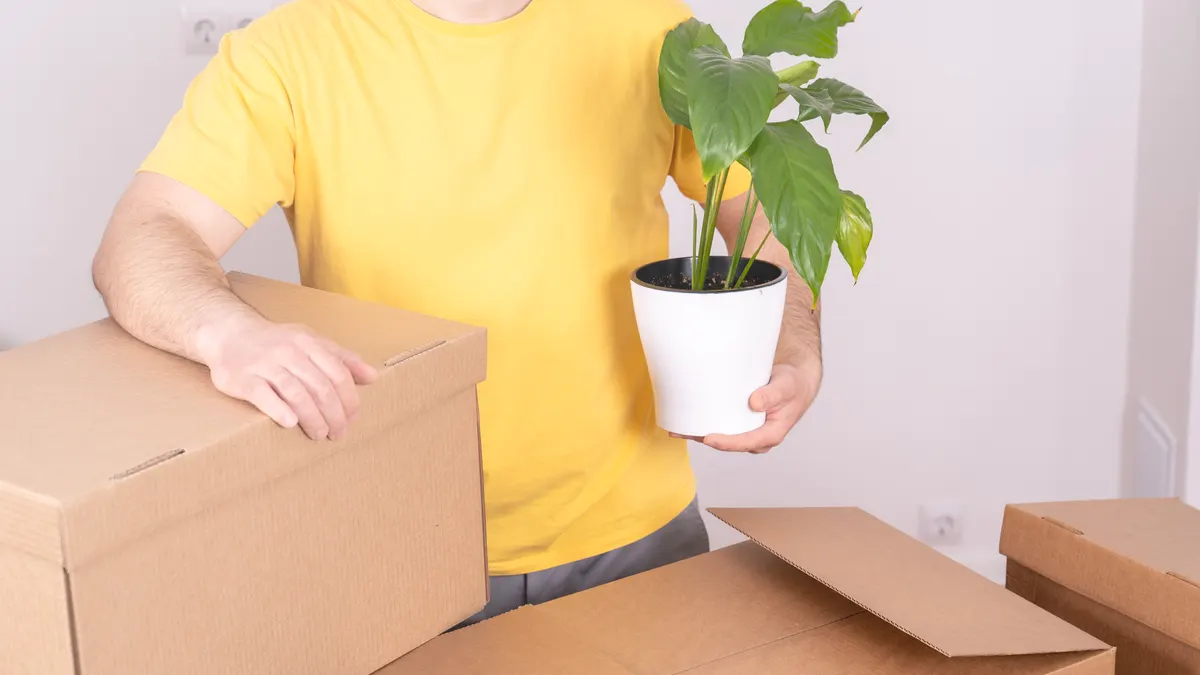
Plant subscription marketing agency: man in yellow shirt cradles a potted monstera.

How a plant buyer decides, and what kills the subscription

A plant subscription ships something alive through a courier network designed for things that are not. The plant spends days in a dark box, arrives thirsty and stressed, and the customer judges the whole business on how it looks in that first hour. No other subscription category has a product that can fail before it is even unwrapped.

Weather runs the calendar. Below freezing along the route, a tropical plant does not survive the last mile, so shipping stops or moves to heat packs and faster services. In a heatwave the same box cooks. A plant business that ships every week of the year replaces a lot of stock.

Matching matters as much as condition. A plant sent to a dark north-facing flat, or a toxic species sent to a household with a cat, is a cancellation waiting to happen even if it arrives perfectly.

We work with plant subscriptions that already ship and want acquisition judged on plants delivered alive and subscribers retained through a winter. The growth plan is free. The fee after it is flat and monthly.

The buyer is almost always somebody who has killed a plant and wants to do better. They are not looking for rare species so much as for something that will survive their particular flat.

The first question is light. People know whether their windows face the sun, roughly, and they know which corner is dark. A plan that asks about light and then sends something appropriate is doing the thing they wanted. A plan that sends a random tropical to a hallway is setting them up to fail and blame themselves, and that customer does not renew.

Pets come second and are more binding than light. Households with cats and dogs need to know which species are toxic, and this is one of the very few places where a subscription can lose a customer at the veterinary bill rather than at the checkout. A pet-safe track is a genuine filter, not a marketing angle.

Size surprises people constantly. A photograph of a mature specimen next to a plant shipped in a nursery pot creates the most common complaint in the category, so stating pot diameter and plant height honestly is worth more than a better photograph.

The end usually comes from space. There are only so many windowsills. Subscribers who are offered smaller plants, a slower cadence or a switch to soil and accessories stay when the sills are full.
Where plant subscriptions
lose revenue

The four levers, in this niche.

Visitors

Advertise to the conditions people actually have

Plant traffic that converts and stays comes from constraint searches rather than species searches: plants for low light rooms, pet safe houseplants, plants for a north facing window, easy plants for beginners. Those visitors are describing their home and asking for a match, which is exactly what a subscription does. We build campaigns around them, pull spend hard during shipping holds so nobody buys into a delay, and report every source by plants delivered in good condition rather than by orders taken.

Conversion rate

Match on light, pets and space before the price

The sign-up should ask three questions and then show the plant it would send: how much light, any cats or dogs, how much room. Beside the price we state pot diameter and plant height in centimetres, the arrival condition policy and the current shipping window for the buyer's region. That combination converts cautious buyers who have killed plants before, which is most of this market, and it prevents the size complaint that follows a flattering photograph.

Average order

Everything the plant needs after it arrives

The plant is the start of a shopping list. Decorative pots sized to the nursery pot you shipped, potting mix, drainage material, fertiliser through the growing season, moisture meters, and grow lights for the dark months all sell to someone who has just committed to keeping something alive. We put them in the pre-shipment email matched to the specific plant being sent, and offer a larger specimen tier for subscribers whose confidence has grown.

Repeat purchases

Pace the plan to the windowsills, and keep them alive

Two things end plant subscriptions: dead plants and no space. Care follow-ups a fortnight after each delivery, when overwatering usually happens, address the first. A slower cadence, smaller species or a switch to accessories addresses the second. We make both available before the cancellation page rather than after, and treat a member who moves to quarterly as a save rather than a downgrade, since a windowsill filled slowly stays filled for years.

What we do for
plant subscriptions

Five channels, one plan.

Google Shopping and search

Individual plants, pots and the winter problem

Live plants can be sold through Shopping, and individual specimens, pots, soil, fertiliser and gift plants all work as fixed-price listings. The recurring plan is sold through search ads instead, built around conditions rather than species: pet safe plant subscription, low light houseplant delivery, plant subscription for beginners. Gift plant demand spikes around housewarmings, Mother's Day and December, and those campaigns want their own landing pages because a gift buyer needs to know the recipient must be home for delivery. The hard part is seasonal. When a cold snap stops shipping to a region, the campaigns for that region come down with it, because selling a plant that cannot leave the nursery for three weeks produces refunds and reviews. We build that pause into the media plan rather than reacting to it, and report on plants delivered in good condition.

Meta and TikTok

Unboxing that shows the real plant, not the mature one

Plant content performs well on short video and the honest version outperforms the flattering one over any useful time frame. We film the actual unboxing: the plant strapped into its packaging, the soil retained, the moment it is watered, and the same plant photographed again a month later in a normal flat. That last shot does more for retention than anything else because it sets expectations of a young plant that grows rather than an instant interior. Ad sets are built by condition, so the low light audience never sees a sun-loving species. Pet-safe creative names the species and says plainly which are safe, since that audience is looking for a specific reassurance. Creators are briefed to show plants they have kept for months, including one that struggled, which reads as true and attracts people who have failed before.

Merchant Center and the feed

Live goods, regional rules and honest sizes in the feed

Plants sit under the home and garden branch of Google's taxonomy. They rarely carry manufacturer barcodes, so identifier_exists is set to no and the title carries the botanical name, the common name and the pot size, because pot diameter is what a buyer needs to judge scale. Height range belongs in product highlights along with light requirements and pet safety. Agricultural rules make regional configuration essential: several destinations restrict incoming plants and soil, some require inspection or certification, and international shipments can need phytosanitary paperwork, so shipping settings and regional availability have to reflect where you can lawfully send each species. Seasonal availability is not optional either. A feed that keeps selling tropicals to a frozen region during a shipping hold generates cancellations you then have to explain. Images must show the size actually shipped.

SEO and AI search

What worried plant buyers ask before ordering

The questions are about survival and logistics: will a plant survive being posted in winter, what happens if it arrives damaged or dead, do you ship to my state or country, which plants are safe for cats, how big is the plant you send, what if my flat is dark, how often does it come, can I pause over the summer. We answer each in plain language. A shipping conditions page explains heat packs, cold holds and the temperature thresholds you work to. An arrival condition page states the window for reporting a problem and what you send instead. A toxicity page lists species by whether they are safe around cats and dogs. Care pages by species earn steady search traffic from people who already own the plant, and they are what an assistant quotes when someone asks why leaves are yellowing.

Email and SMS

Care timed to when the plant is in trouble

The plant subscription email calendar follows the plant rather than the billing date. A dispatch note tells the member when the box will arrive and asks them to unpack it the same day. A first-week message covers unpacking shock, where to put it and when to water. The message that matters most lands a fortnight later, when overwatering usually happens, and asks how it is doing with a photo link that routes real problems to a person. Seasonal notes cover feeding in spring and light in winter, and they carry the matching accessory. Before each shipment the member sees what is coming, with a swap for anything toxic to their pets, a smaller size option and a one-tap slower cadence. Shipping holds are announced honestly and early, because a silent delay on a living thing reads as neglect.

First three fixes

What the plan usually starts with for plant subscriptions.

  1. Fix the size expectation

    Most complaints in this category are about a plant being smaller than the photograph suggested. State pot diameter and height range on every listing, photograph the plant beside a common object for scale, and use the size you actually ship in the feed images. It removes the first-box disappointment that ends subscriptions in month one.

  2. Fix the winter shipping policy

    Publish the temperature thresholds at which you hold shipments, tell members before their delivery is affected, and pause advertising to regions under a hold. A plant lost to frost costs you the stock, the replacement and the subscriber. Being open about a weather pause is easier to forgive than a box of blackened leaves.

  3. Fix the missing pet safety filter

    Households with cats and dogs need to know which species are toxic before they order, not after. Add a pet-safe track, mark toxicity on every species page, and let the member set it as a standing preference so it applies to every future shipment automatically rather than being remembered by whoever packs the box.

Questions from plant subscriptions

Set temperature thresholds, hold shipments to affected regions, use heat packs and faster services at the margins, and tell members before their delivery is delayed rather than after. Pull advertising for those regions at the same time so nobody buys into a hold they were not told about.

Publish a stated window for reporting with a photo, and say what you do next. Most transit damage is recoverable and a care instruction solves it. For genuine losses, a replacement in the next shipment is cheaper than the refund plus the cancellation that follows an argument over a living thing.

Yes, live plants can be listed, unlike live animals. They sit in home and garden, need identifier_exists set to no in most cases, and require careful regional configuration because several destinations restrict incoming plants and soil or require inspection and certification.

Offer the answer before they think of cancelling. Smaller species, a quarterly cadence, or a switch to pots, soil and accessories for a few months. Windowsills are finite and a member who slows down keeps buying for years, while one who is only offered a discount to stay usually leaves anyway.

Always. Light decides whether the plant lives and pets decide whether it is safe to send at all. Asking both takes two questions and turns a random plant into a matched one, which is the entire reason someone chooses a subscription over picking a plant up at a garden centre.

Other subscription boxes stores we work with

Send your plant subscription store.

The plan says which lever is leaking and what to fix first, for your store as it is today.

Store, name, email and phone. A person replies from a real inbox. Privacy

Get your free growth plan