Skip to content

Pet subscription marketing agency

Growth for pet subscription boxes: chew-strength profiles, protein allergy filters, size updates as puppies grow, treat feeds and a kind cancellation path.

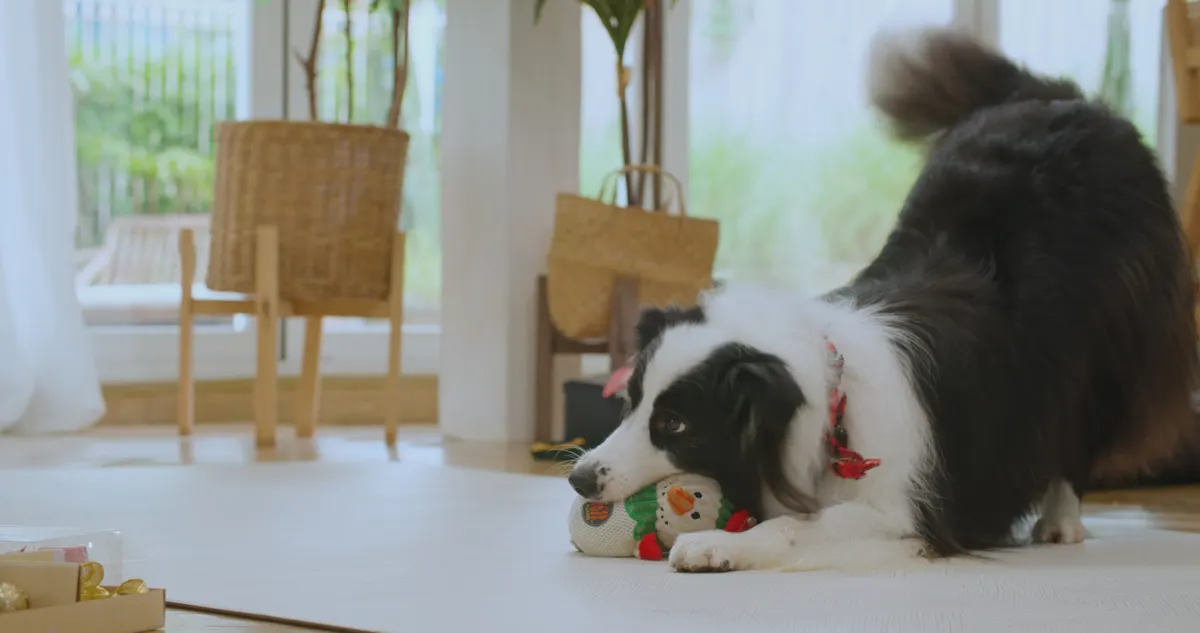
Pet subscription marketing agency: young asian woman enjoy decorating Christmas tree with dog at cozy house.

What an owner checks before subscribing, and what ends it

A pet box is bought by one species and judged by another. The human pays, reads the ingredients and decides whether it was worth it. The dog or cat decides in about four seconds, on camera, and that reaction is the only review the owner trusts.

So the profile is the product. Weight band, chew strength, protein allergies and whether the animal actually plays with toys are the four answers that separate a box people keep from a box that produces a shredded toy and a refund request within a day. A power chewer sent a plush toy is not a preference mismatch, it is a safety complaint.

Pets also change. Puppies grow out of a size band in months, senior dogs need softer treats, and cats lose interest in a toy type entirely. A profile taken once at sign-up goes stale faster here than in any other subscription category.

We work with pet subscriptions that already ship and want acquisition judged on boxes delivered, not sign-ups. The growth plan is free. The fee after it is flat and monthly.

The owner arrives from someone else's video. A dog tearing into a box, a cat sitting in it. They come to your site to check three things: whether the toys will survive their particular animal, what is in the treats and where they are made, and whether they can avoid the protein their pet reacts to.

Chew strength decides the first. Owners of terriers, bully breeds and anything that has already destroyed a sofa will not subscribe to a box that shows plush toys in the photographs unless there is a stated durable track. They want to know what happens when a toy fails in a day.

Ingredients decide the second. Chicken is the most common protein and one of the most common sensitivities, so a chicken-free filter converts a group nobody else is serving. Owners also read country of manufacture on treats and chews carefully, more carefully than they read their own food labels.

Cats are a separate business inside the same site. Cat owners are buying enrichment and are much less interested in durability, more interested in catnip quality and whether the toys are quiet at three in the morning.

The end comes from a toy pile, a treat the animal refused, or the hardest one: the pet dies. That last case needs a cancellation path that takes one click and removes the person from every reminder immediately.
Where pet subscription boxes
lose revenue

The four levers, in this niche.

Visitors

Reach owners by breed problem, not by pet love

Everyone with a dog is a possible customer, which makes broad pet targeting expensive and vague. The traffic that turns into long subscriptions comes from specific problems: toys that survive a power chewer, treats without chicken, enrichment for a bored indoor cat, puppy teething. We build campaigns around those, keep separate cat and dog structures rather than one pet audience, and report every source by boxes delivered at month four.

Conversion rate

Make the profile do the selling

The pet profile is not a form standing between the visitor and checkout, it is the reason to subscribe. We put weight band, chew strength, protein exclusions and toy or treat preference first, then show a sample box built from those answers so the visitor sees the matching happen. The durability policy and the ingredient sourcing sit beside the price, because those are the two objections that otherwise get taken to a search engine and never come back.

Average order

Second pet, bigger box, and the chew that gets rebought

Multi-pet households are the easiest growth in this category, and most sites make adding a second animal harder than starting again. We build a second-pet flow with its own profile and a combined shipment, offer a treats-only top-up between boxes for the chew that got destroyed and loved, and add a birthday or adoption-day box as a paid extra. Larger dogs also justify a bigger box tier priced on chew size rather than item count.

Repeat purchases

Refresh the profile as the animal changes

A puppy outgrows its size band within months and a senior dog needs softer chews, so we treat the profile refresh as a scheduled retention flow rather than account admin. Every few boxes the owner is asked what survived, what was ignored and whether the weight has changed, and the next box shifts accordingly. Owners who answer stay for far more boxes, because the box keeps matching an animal that did not stay the same.

What we do for
pet subscription boxes

Five channels, one plan.

Google Shopping and search

Treats and chews carry the feed, the box is sold on search

Individually sold treats, chews, toys and accessories go in Shopping with fixed prices, and they work well because owners search for a specific chew by name after their dog liked one. The recurring box is sold through search ads instead, split by species and by problem: dog toy subscription for aggressive chewers, chicken free dog treat box, cat enrichment subscription, puppy teething box. Breed terms are worth bidding on where you have a durable track, since breed searches carry the chew-strength intent already. Gift terms run before December and around adoption events. One thing to keep out of the feed entirely is anything live: Google does not permit the sale of live animals, so if you also sell fish, insects for reptiles or anything breathing, that part of the catalogue is excluded rather than left to be disapproved. Campaigns are judged on boxes delivered at month four.

Meta and TikTok

The animal's reaction is the whole creative

Nobody in this category needs a script. The dog hearing the box arrive, the cat climbing in before it is unpacked, the terrier taking eleven seconds to defeat a toy that was supposed to last a week. We build a steady flow of that footage, filmed with real customers' pets rather than staged, and label each clip with the size band and chew strength shown so the viewer sees an animal like theirs. Ad sets are separated by species first and by size or chew strength second, because a chihuahua owner and a mastiff owner want visibly different boxes. Retargeting follows the profile someone started: an abandoned chew-strength question comes back as a durable toy video. Creator briefs ask for the third or fourth box, showing which toys survived, since durability claims are more convincing when the toy is scuffed.

Merchant Center and the feed

Pet feeds, protein attributes and what cannot be listed

Treats, chews and toys sit under the animals and pet supplies branch of Google's taxonomy. Branded products carry their real GTINs; treats you make or repack usually have none, so identifier_exists is set to no and the title carries the protein, the size and the format, for example beef trachea chew for medium dogs. Protein is the attribute owners filter on, so it belongs in the title and product type rather than buried in a description. Size and weight variants group under item_group_id. The offer expiration date is a feed housekeeping field, not a best-before date, so batch and shelf-life information stays on the product page where it belongs. Live animals cannot be sold through Shopping at all. Availability matters more here than in most categories because a chew that goes out of stock is usually the exact one a dog will accept.

SEO and AI search

The questions owners ask an assistant about a pet box

They are specific and practical: what size box does a thirty kilo dog need, are the toys safe for a power chewer, do you have chicken free or grain free treats, where are the chews made, can I get toys only or treats only, what happens if a toy breaks in a day, do you have a cat version, can I skip a month. We write a page for each. A chew strength page explains the levels with the materials used at each one. A protein and allergy page lists what is excluded on each track. A sourcing page states the country of manufacture for chews and treats, which owners search for by name. Past box archives are split by size band so a prospect sees the box their animal would actually receive rather than a generic photograph. Nothing on these pages makes a health claim about the animal.

Email and SMS

Use the pet's name, and get the cancellation right

Every message names the animal, because that is how the owner thinks about the subscription. The pre-shipment note says what is coming for that pet, offers a swap for a protein the owner wants to avoid, and lets them skip or delay in one tap. A few boxes in, the profile refresh asks what survived, what was ignored and whether the pet has grown, and it doubles as the size-band update. Birthdays and adoption days are recorded at sign-up and trigger an offer for a celebration box. The hardest flow to build well is bereavement: a one-click option that says my pet has died should cancel immediately, suppress every automated message including the birthday one, and never enter a win-back sequence. Getting that wrong is the cruelest thing a subscription can do, and people talk about it.

First three fixes

What the plan usually starts with for pet subscription boxes.

  1. Fix the box that ignores chew strength

    Sending a plush toy to a dog that destroys plush toys creates a safety worry and a refund on the same day. Ask for chew strength at sign-up, offer a durable track with the materials named, and state plainly what happens when a toy fails early. This is the single biggest cause of a first-box complaint in dog subscriptions.

  2. Fix the stale size band

    Puppies grow through size bands in months while their profile stays where it started, so the toys shrink relative to the dog and the treats become too small to interest them. Schedule a size check every few boxes, prompt it by breed growth expectations at sign-up, and make the update one tap from the shipping email.

  3. Fix the bereavement path

    Owners who lose a pet should be able to stop everything in one click, including birthday reminders and win-back emails. Add the reason to the cancellation options, suppress the record from all automation permanently, and reply as a person rather than with a discount. It costs nothing and it is the difference between grief and anger.

Questions from pet subscription boxes

Ask for chew strength at sign-up with real descriptions rather than labels, keep a durable track with the materials named, and record what survived in the profile refresh. Owners accept that no toy lasts forever; what they will not accept is a box that clearly was not chosen for their animal.

Yes, down to the account structure. Cat owners buy enrichment and care about catnip quality and night-time noise, dog owners buy durability and chew safety. Running them as one pet audience means both groups see creative aimed at the other and neither sees the answer to their question.

Individual treats, chews, toys and accessories with fixed prices, plus prepaid gift terms. Branded items use their real GTINs and own-made treats use identifier_exists set to no with the protein and size in the title. Live animals cannot be sold through Shopping, so that part of a catalogue stays out of the feed.

Make them a profile field, not a note in the checkout comments. Chicken is both the most common protein in treats and a frequent sensitivity, so a chicken free track opens up customers other boxes turn away. State exclusions on the box contents page for every shipment.

One click to cancel, immediate suppression from every automated message including birthday and win-back flows, and a human reply. No discount, no retention offer, no survey. It is the right thing to do and it is also the version of your brand that other owners hear about.

Other subscription boxes stores we work with

Send your pet subscription boxe store.

The plan says which lever is leaking and what to fix first, for your store as it is today.

Store, name, email and phone. A person replies from a real inbox. Privacy

Get your free growth plan