Skip to content

Workwear & uniform marketing agency

Marketing for workwear and uniform stores: safety-standard search, embroidery and bulk ordering, trade accounts, and reorders driven by wear and staff turnover.

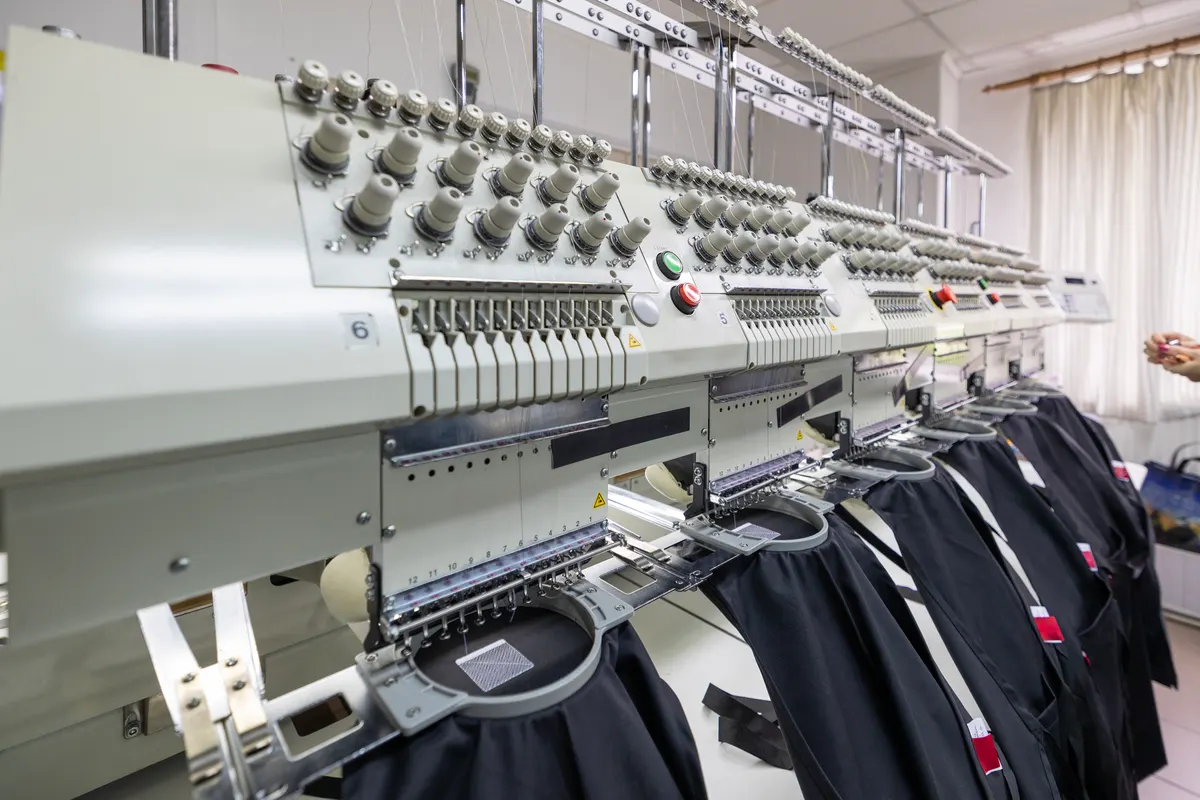
Workwear & uniform marketing agency: professional embroidery machine heads stitching black fabric.

How workwear is specified and ordered

Workwear is bought by people who need it to do a job, and by companies buying for the people who do. The searches carry standards rather than styles: class 3 hi-vis, EN ISO 20471, ANSI 107, safety toe, flame resistant. The orders come in size runs with a logo embroidered on the chest, and the reorder arrives when a garment wears through or a new hire starts. Fashion marketing habits get in the way here.

We write growth plans for workwear and uniform stores that already sell online. The plan builds Shopping and search campaigns around standards and trades, turns the product page into a spec sheet with the certification and the sizing a foreman or a procurement manager needs, makes bulk and personalised ordering possible without a phone call, and sets up reorder flows for both the individual tradesperson and the company account.

It also handles the mixed catalogue most workwear stores have, where a consumer Shopping feed and a trade price list have to live in the same store without confusing either buyer.

There are two buyers, and they behave differently. The individual tradesperson knows what they need, often by brand and style code, and searches for a specific garment with a specific rating: class 2 hi-vis vest, waterproof work trousers with knee pad pockets, steel toe boots in a wide fit. They buy one or two items and buy again when the item wears out.

The company buyer, whether a site manager, an office manager or a procurement team, buys in size runs for a crew, wants the logo on it, and needs a quote, an invoice, sometimes a purchase order and net terms, and a way to reorder the same thing for the next hire without starting again. They compare on price per garment including personalisation, on lead time for embroidery, and on whether the store will still stock the same style next year so the uniform stays consistent.

Safety standards are checked, not assumed. Hi-vis has classes defined by the amount of fluorescent and retroreflective material, safety footwear has ratings for toe protection and sole resistance, and flame-resistant garments carry their own certifications. A product page that states the standard and shows the label converts; one that says hi-vis and nothing else loses the buyer whose site requires class 3.

Seasonality follows the weather and the working year: winter jackets and thermal layers from autumn, summer-weight and cooling from late spring, and a steady flow from new starters and worn-out kit throughout.
Where workwear & uniform stores
lose revenue

The four levers, in this niche.

Visitors

Visitors: rank for the standard and the trade

Workwear traffic comes from queries that name a standard, a trade or a feature: EN ISO 20471 class 3 jacket, electrician trousers with tool pockets, chef jacket short sleeve, school-crossing hi-vis. Titles that state the standard, the feature and the colour surface for those, and collection pages built by trade rank for the trade searches. Company buyers arrive through search for embroidered workwear and uniform supplier, where the landing page has to show personalisation and bulk ordering immediately. Social plays a smaller role here and is used mainly for retargeting and trade-specific creative.

Conversion rate

Conversion: a product page that reads like a spec sheet

The buyer needs the standard and its class stated, the certification label shown, the fabric weight and composition, the sizing with chest and waist measurements and the availability of tall and short legs, the washing instructions for industrial laundering if relevant, and the embroidery or print options with lead time and price. Bulk quantity pricing has to be visible without logging in, and a size-run ordering grid lets a crew be kitted in one action. We rebuild templates around those elements, add a quote request that captures what a procurement buyer needs, and make the logo upload part of the product page.

Average order

Order value: size runs, personalisation and the full kit

A workwear order grows when the store makes the crew order easy: a size-run grid, quantity price breaks shown per line, embroidery added to every garment in the order at once, and a kit builder that puts jacket, trousers, boots and gloves together for a trade. Individual buyers add socks, gloves and a second pair of trousers when the threshold rewards it. We use order data to find the garments companies buy together and build the kit pages from that, and we set thresholds so a single jacket order tips into a jacket and trousers order.

Repeat purchases

Repeat purchases: wear-out and the next new starter

Reorders come from two triggers: a garment wearing out and a new person joining. Individual customers respond to a replacement prompt timed from your own reorder data for each garment type, since trousers and boots wear at different rates. Company accounts need a saved order with logo, sizes and styles that can be repeated for the next hire in a few clicks, plus a note when a style is being discontinued so the uniform can be transitioned. Seasonal messages for winter and summer kit go to both groups at the right point in the year.

What we do for
workwear & uniform stores

Five channels, one plan.

Google Shopping and search

Google Shopping and search ads for workwear

Shopping is the strongest channel for the individual buyer because the search is so specific. Titles read like the spec: Hi-Vis Waterproof Jacket, EN ISO 20471 Class 3, Yellow, XL, or Safety Trainers, S1P, Wide Fit, Size 10. Campaigns are split by category and by standard, so hi-vis, safety footwear, flame resistant and trade-specific garments each have their own budget, and seasonal categories such as thermal layers and summer-weight trousers are scheduled by weather rather than left running flat.

Search ads carry the company buyer, whose queries are about the service rather than the garment: embroidered workwear, uniform supplier for care homes, bulk hi-vis with logo. Copy states the personalisation lead time, minimum quantities if any, and the availability of quotes and invoices, and the landing page is the bulk-order page, not a product grid. Negative keywords remove fashion terms that share vocabulary such as utility jacket and cargo trousers unless you sell them, and brand terms for manufacturers you do not stock.

Meta and TikTok

Meta and TikTok ads for workwear

Social is a secondary channel for workwear, and the plan treats it that way. Prospecting works when the creative is trade-specific and practical: a plumber showing where the tool pockets are, a site worker demonstrating a jacket's reflective panels at dusk, a chef showing how the jacket copes with heat. On TikTok, trade creators with a real audience of people in the same job produce content that reads as advice rather than advertising, and their fit comments about tall legs and wide feet are the questions buyers have.

Company buyers are reached through retargeting after a visit to the bulk-order or embroidery page, with creative that shows a finished crew in the same kit and states the lead time. Audiences are built on job-related interests and your own customer list. Creative avoids anything that implies the viewer is unsafe or non-compliant at work, which strays into personal attributes, and states the standard instead. Comment sections fill with sizing and availability questions from tradespeople, and answering those quickly is part of the campaign.

Merchant Center and the feed

Merchant Center and the feed for workwear

Workwear is apparel in Merchant Center, so age_group, gender, color and size are required in the main markets and every variant of a style shares an item_group_id. Sizing in this niche often includes leg length and chest in inches or centimetres, and the size attribute should carry the full label size with size_type set to tall or big where those grades exist. The standard and class belong in product_detail as named attributes, and product_highlight lines can state the certification and the reflective area.

Personalised products are the awkward part. A base garment listed in the feed lands on a page where embroidery is an option, and the feed price must be the unpersonalised price with the add-on shown clearly on the page, otherwise the price mismatch causes disapprovals. Trade pricing and quantity breaks stay off the feed; the feed shows the single-unit consumer price. Bulk-only packs use the multipack attribute. Images are clean product shots with the reflective tape visible and no overlays, and stock per size and leg length has to be accurate because a foreman ordering a run of eight sizes will leave if two are missing.

SEO and AI search

SEO and AI search for workwear

Buyers ask search engines and assistants what class of hi-vis they need for roadside work, what S1P means on safety footwear, whether a jacket is compliant for rail, and how many garments a new starter needs. A store that publishes clear standards guides on its own site is what the assistant quotes, and the same pages are what a procurement manager sends to a colleague. We build a standards hub with a page per standard explaining classes and ratings in plain language, a page per trade listing what that job typically needs, and a personalisation guide covering logo placement, thread colours and lead times, each opening with the direct answer.

Collection pages are organised by trade and by standard with real copy, so Class 3 Hi-Vis Jackets and Care Home Uniforms are pages rather than filters. Product pages carry the standard, the fabric weight, the size table and the laundering instructions as text. A trade account page explains quotes, invoices and repeat orders. Structured data on products and FAQs lets assistants answer the compliance questions with your pages, which is how the store earns the crew order it never advertised for.

Email and SMS

Email and SMS for workwear

The programme runs two tracks. Individual customers get a replacement prompt per garment type, timed from your own reorder data for trousers, boots and jackets separately, plus seasonal messages when the weather turns: thermal layers and waterproofs before autumn, summer-weight and cooling before the heat. Post-purchase emails carry the washing instructions and the standard's label explanation, and the review request asks about fit in tall and wide sizes and how the garment lasted.

Company accounts get a different sequence. After the first crew order the store saves the logo, the styles and the size run as a repeatable order, and the emails remind the buyer that a new starter can be kitted in a few clicks, ask for a review of the embroidery quality, and warn when a style in their uniform is being discontinued so the transition can be planned. Quarterly check-ins offer a reorder of the saved kit. SMS is used for dispatch notices, embroidery-ready alerts and delivery cut-offs before a Monday start, where the message is practical and short.

First three fixes

What the plan usually starts with for workwear & uniform stores.

  1. Hi-vis listed without its class

    Products are titled hi-vis jacket with no standard or class, so they never match the searches site workers actually make and buyers with a class 3 requirement cannot tell if the garment qualifies. We add the standard and class to titles, product_detail and the product page, and build collection pages per class.

  2. Bulk and embroidery only by phone

    The bulk-order page says call for a quote, so the company buyer who found you at nine at night leaves for a store with a quote form. We add a size-run grid, visible quantity price breaks, a logo upload with lead time and a quote request that captures the details a procurement team needs.

  3. Feed prices that include the embroidery

    The feed price carries the personalised price while the landing page shows a lower base price, which gets items disapproved for mismatch. We set the feed to the base garment price, show the personalisation add-on clearly on the page, and keep trade pricing off the feed entirely.

Questions from workwear & uniform stores

Keep one catalogue and two paths. Individual buyers use the normal product page with single-unit pricing and delivery promises. Company buyers get a bulk-order route with a size-run grid, quantity breaks, logo upload, quote request and a saved order for reorders. The Shopping feed carries the consumer price; trade pricing lives behind the account or the quote.

Yes, when the product carries them. A buyer searching for class 3 hi-vis or S1P safety trainers is searching for the standard, and a title that states it matches the query and reassures before the click. Put the standard and class in product_detail as well so Google can show it in the listing.

It depends on the garment and the job. Trousers and boots wear out fastest on site, jackets last longer, and uniforms for indoor roles last longer still. Your own reorder data per garment type will show the typical gap, and the replacement prompt should land shortly before it. Company accounts reorder on staff turnover rather than wear.

You can list the base garment and personalise it on the page. The feed price must match the unpersonalised price shown on the landing page, with embroidery presented as an add-on. Search ads are the better route for the embroidery service itself, with copy that states lead times and minimums and a landing page built for bulk orders.

Social is secondary to search for this niche, but trade-specific creative on Meta and TikTok works for prospecting when it shows a real tradesperson using the garment's features, and retargeting reaches company buyers after they visit the bulk-order page. Creators with an audience in the same trade produce the content that converts.

Other apparel & fashion stores we work with

Send your workwear & uniform store store.

The plan says which lever is leaking and what to fix first, for your store as it is today.

Store, name, email and phone. A person replies from a real inbox. Privacy

Get your free growth plan