Skip to content

Kids' clothing marketing agency

Marketing for kids' clothing brands: age_group feeds from newborn to kids, grow-out replenishment, back-to-school timing, and ads aimed at the parent who pays.

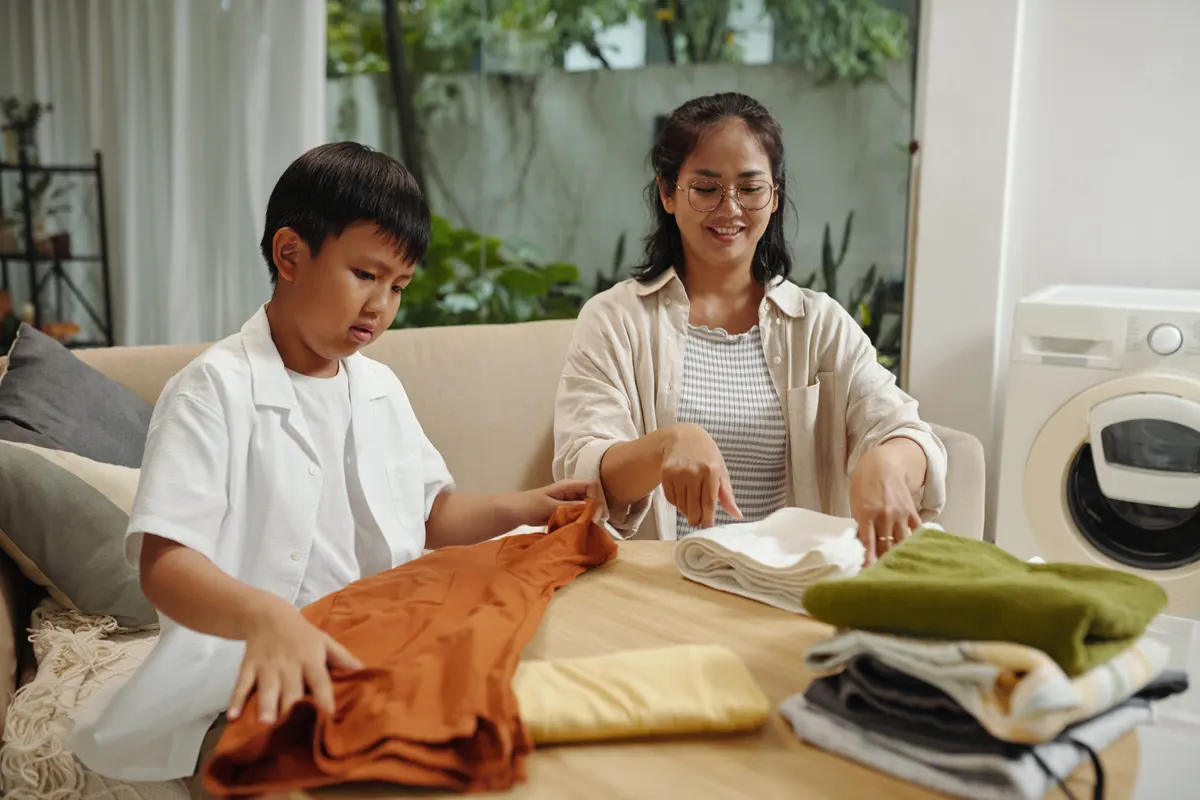
Kids' clothing marketing agency: folding and Sorting Clothes with Family in Living Room.

How parents and gift buyers shop for children's clothes

Kids' clothing is bought by someone who will never wear it, for a body that changes size every few months. The parent or gift buyer wants to know what size a two-year-old actually takes in this brand, whether the sleepwear meets the flammability rules, whether the fabric will survive a hundred washes, and whether the next size up will be in stock when it is needed. The child's growth is the reorder cycle, and a store that tracks it grows with the family.

We write growth plans for children's and baby clothing brands that already sell online. The plan builds the feed around Google's age_group values from newborn to kids, puts age-to-measurement sizing on every product page, creates replenishment flows that follow the child's growth rather than a fixed calendar, and times campaigns to back-to-school, new arrivals in the family and gifting seasons.

It also keeps advertising aimed at the adult who pays, since the platforms restrict how ads reach anyone under eighteen and expect children's products to be marketed to parents.

The parent buys in size and in batches. A child moves through a size every few months in the first years, so the shopper wants sizing by age and by measurement, an honest note on whether the brand runs big or small, and room to grow. They buy several pieces at once, often across two sizes, and they buy again when the drawer empties, which is predictable if the store pays attention to the last order.

Safety is checked. Sleepwear in most markets must meet flammability standards, and parents look for the label. Drawstrings on hoods, small buttons on baby garments and dye safety come up in reviews. Organic cotton and certifications such as OEKO-TEX are searched for baby products specifically, and a brand that states them plainly earns trust with the first-time parent.

Durability and practicality matter more than in adult fashion: knee reinforcement, poppers versus zips on sleepsuits, adjustable waists, and whether a garment survives the tumble dryer. Reviews that mention wash count are read closely.

Gift buying is a second market with different needs. A grandparent or a baby-shower guest does not know the size, needs a size-by-age shortcut, wants gift wrapping and a receipt without a price, and buys around births, birthdays and December. Sibling and matching sets sell to both markets. Back-to-school in late summer is the largest single window for anything school-age, and uniform basics reorder every year.
Where kids' clothing brands
lose revenue

The four levers, in this niche.

Visitors

Visitors: show up by age and size, in the parent's words

Searches for children's clothing carry the age or the size: baby grows 0 to 3 months, toddler raincoat age 3, girls school trousers age 7, organic cotton baby sleepsuit. A feed with age_group and size set correctly and titles that state the age range surfaces for those; a feed using internal size codes does not. Social prospecting reaches parents through interest in parenting and life stage, with creative that shows the garment on a child of the right age in a real setting. Back-to-school, new-baby and December budgets are set in advance.

Conversion rate

Conversion: age, measurement and the safety label on the page

The product page needs a size chart by age and by height and weight, a note on whether the brand runs large, the fabric and any certification, the flammability labelling on sleepwear, and practical details such as popper placement and reinforced knees. Reviews are asked for the child's age and the size bought. Gift options and the receipt-without-price are visible before checkout. We rebuild templates around those, and make multi-size buying easy so a parent can add the same piece in two sizes in one action.

Average order

Order value: the drawer refill and the sibling set

Parents buy in batches, so order value rises when the store makes the batch easy: build-a-bundle for basics in a chosen size, sibling and matching sets, a two-sizes option on core pieces, and shipping thresholds set above a single garment. Gift buyers take gift wrap and a card as add-ons. Back-to-school orders grow with a school checklist page that lists everything by age. We use order data to find what parents already buy together and merchandise those pairings first.

Repeat purchases

Repeat purchases: follow the child's growth

The reorder cycle is the child's growth, which is faster in the first two years and slows after. Flows record the child's age or size at the first order and send the next size up when it is likely to be needed, deep-linked to the styles the parent already bought. Seasonal messages cover what a child of that age needs next: a first winter coat, school uniform, a summer hat. Gift buyers get a birthday reminder. We time the growth prompts from your own repeat-order gaps rather than a generic schedule.

What we do for
kids' clothing brands

Five channels, one plan.

Google Shopping and search

Google Shopping and search ads for kids' clothing

Shopping for children's clothing runs on the age and size in the title: Organic Cotton Sleepsuit, 3 to 6 Months, Pack of 2, or Boys School Trousers, Age 8, Grey. Campaigns are split by age group since baby, toddler and school-age searches behave differently and peak at different times: baby demand is steady all year, school-age demand spikes in late summer, and outerwear spikes in autumn. Multi-packs and bundles get their own campaign because their price per item confuses comparison if mixed with singles.

Search ads take the questions a tile cannot answer, such as what size does a 2 year old wear, or school uniform bundle age 5, with copy that states the sizing approach and delivery timing. Gift campaigns run before December and use terms like baby shower gift and first birthday outfit. Negative keywords remove adult and pet terms that share vocabulary, and budgets are set so back-to-school spend begins in July, before the auction peaks.

Meta and TikTok

Meta and TikTok ads for kids' clothing

Advertising reaches the parent, not the child. Meta and TikTok limit targeting of users under eighteen to age and location, and children's products are expected to be marketed to adults, so audiences are built on parenting interests, life stage and your own customer list. Creative shows the garment on a child of the right age doing something real: the sleepsuit at bedtime, the raincoat in a puddle, the uniform on the first day. Parents in the comments ask about sizing and washing, and those replies become the next ads.

User-generated content from parents who state the child's age and the size bought converts because sizing is the question that stops the purchase. Gift creative runs before births peak, before December and around baby-shower season, with a size-by-age shortcut in the ad. Back-to-school runs from July with the checklist as the landing page. Images of children in advertising follow each platform's rules on minors, so creative is reviewed for that before submission.

Merchant Center and the feed

Merchant Center and the feed for kids' clothing

The age_group attribute is the core of a children's apparel feed. Google's values are newborn for up to 3 months, infant for 3 to 12 months, toddler for 1 to 5 years, and kids for 5 to 13 years, and each product must carry the right one or it will not match the searches parents make. The size attribute carries the label size, whether 3 to 6 months, 2T or age 7, and size_system declares the convention, which matters because a UK age 4 and a US 4T are not identical. gender is required and can be unisex; color must match the image.

Multi-packs need the multipack attribute with the count, and bundles of mixed items need is_bundle. Every size of a style shares an item_group_id. Sleepwear listings should mention the flammability labelling in product_detail. Images show the garment clearly, on a child or flat, with no promotional overlays. Stock by size has to be accurate because a parent clicking a listing for age 5 and finding only age 12 leaves. We wire variant stock into the feed automatically and keep a supplemental feed for age and pack data so it survives catalogue updates.

SEO and AI search

SEO and AI search for kids' clothing

Parents ask assistants what size a two-year-old wears, how many sleepsuits a newborn needs, what the sleepwear flammability label means, and whether organic cotton matters for babies. A brand that publishes clear, age-specific answers on its own site is the source those assistants quote. We build a sizing hub with a page per age band that maps age to height and weight and to this brand's sizes, and a set of practical guides such as what a newborn needs, what to pack for nursery and a school uniform checklist by age, each opening with the direct answer.

Collection pages exist per age group and per garment with real copy, so Baby Sleepsuits 0 to 12 Months and Girls School Uniform Age 4 to 11 are pages, not filters. Product pages carry the size chart, fabric, certifications and safety labelling as text. Review content with the child's age and size bought is marked up. Structured data on products, FAQs and organisation details lets assistants answer sizing and safety questions with your information, which is how a first-time parent finds a brand they did not know.

Email and SMS

Email and SMS for kids' clothing

The programme follows the child. The first order records the age or size bought, and the flows work forward from it: a next-size-up prompt timed from your own repeat data, seasonal messages for what a child of that age needs next, and back-to-school and outerwear campaigns sent to the right age bands rather than the whole list. A birthday field, collected once, drives a gift and growth reminder each year.

Post-purchase flows include care instructions that help the garment survive washing, a review request asking for the child's age and size bought, and a hand-me-down or sibling suggestion for families with more than one child. Gift buyers get their own track with a size-by-age shortcut and reminders before births and birthdays they have told you about. Segments are built by age band and by category, so a parent of a baby is not sent school uniform. SMS is limited to delivery notices, restocks in the child's size and the last order date before school starts.

First three fixes

What the plan usually starts with for kids' clothing brands.

  1. One age_group value for the whole catalogue

    Every product is set to kids, so baby and toddler items never match the searches parents make for them and some are disapproved for mismatched age and size. We map each product to newborn, infant, toddler or kids by its actual size range, fix the size attribute to match, and keep the mapping in a supplemental feed.

  2. Sizing that assumes the parent knows the brand

    The size chart lists 2, 3 and 4 with no height or weight and no age, so a first-time buyer or a gift buyer guesses and returns. We add age, height and weight per size, a note on whether the brand runs large, and a size-by-age shortcut for gift buyers on every product page.

  3. Back-to-school campaigns that start when school does

    Uniform and school-age campaigns go live in the first week of term, after most parents have bought. We build the checklist page and the campaigns in June, start spend in July, and send last-order-date reminders to parents of school-age children in August.

Questions from kids' clothing brands

Google's apparel feeds use newborn for up to 3 months, infant for 3 to 12 months, toddler for 1 to 5 years, and kids for 5 to 13 years, with adult for anything above. Each product must carry the value that matches its size range, and the size attribute should use the label size such as 3 to 6 months or age 7. Mismatches between age_group and size can lead to disapprovals.

No, and you should not want to. Meta and TikTok restrict ads to under-eighteens to age and location only, and children's products are expected to be marketed to the adults who buy them. Build audiences on parenting interests, life stage and your own customer list, and show the garment on a child of the right age in the creative.

Record the age or size at the first order and use your own repeat-order data to find the typical gap before the next size is bought in each age band. Send the next-size-up prompt shortly before that gap closes, deep-linked to the styles the parent already chose. The gap is shortest for babies and lengthens as the child grows.

State the flammability labelling that applies in your market plainly, along with the fabric and any certification such as OEKO-TEX. Parents look for this on sleepwear specifically and will search for it if the page does not say. Put the same detail in the product_detail attribute of the feed.

With a size-by-age shortcut on the product page and in ads, gift wrapping and a receipt without a price as visible options before checkout, and an easy exchange for size. Gift buyers cluster around births, birthdays and December, so a separate flow with those reminders keeps them coming back.

Other apparel & fashion stores we work with

Send your kids' clothing brand store.

The plan says which lever is leaking and what to fix first, for your store as it is today.

Store, name, email and phone. A person replies from a real inbox. Privacy

Get your free growth plan