Skip to content

Car audio marketing agency

Marketing for car audio stores: speaker size and dash kit fitment on the page, systems sold in stages, and installs that keep the factory features working.

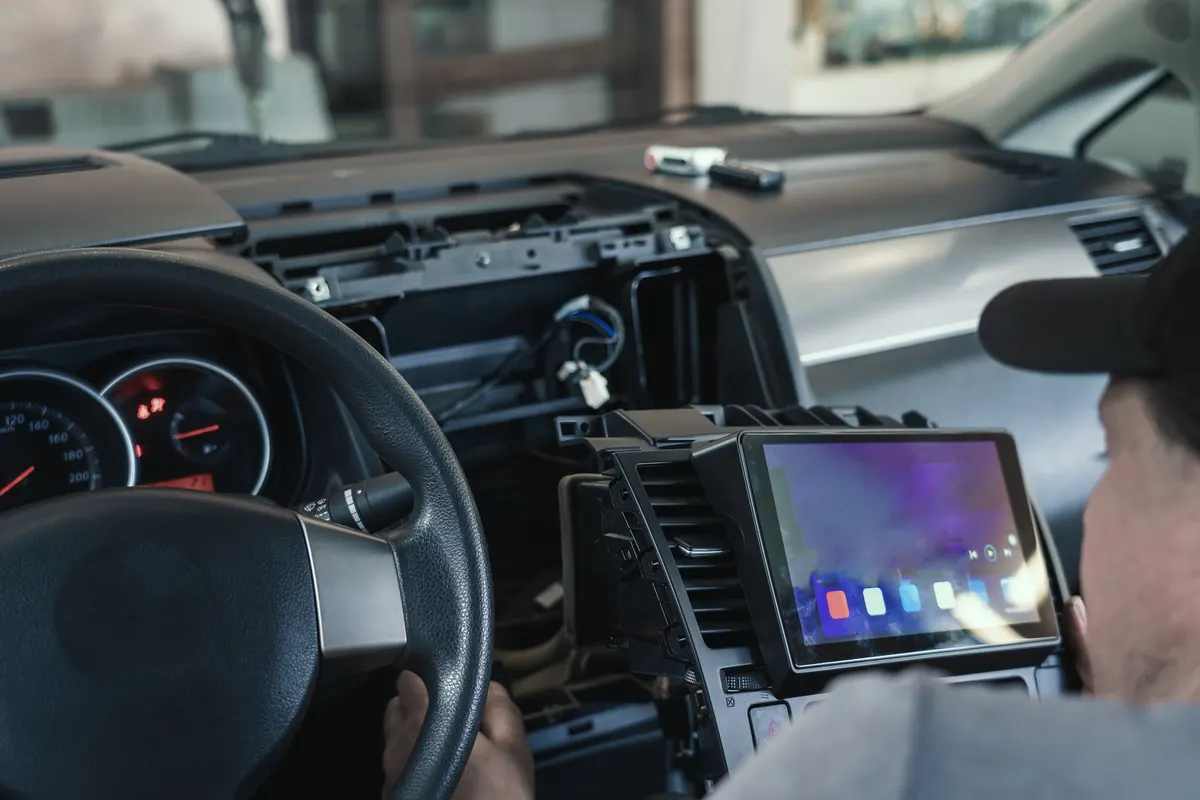
Car audio marketing agency: auto electrician or repairman in car service installs multimedia sound system or car radio in auto dashboard panel.

How car audio systems are actually bought

A car audio store sells a system, but the shopper buys one box at a time and worries about the same three things at every step: will it physically fit, will the factory features still work, and can I install it myself. A speaker listing with a size and a price answers none of them. The buyer needs the mounting depth, the bracket their doors take and whether the factory amplifier has to be dealt with first.

We work with car audio stores that already sell online: head units and screens, speakers and components, amplifiers, subwoofers and enclosures, wiring, dash kits and interfaces, sound deadening and installation accessories. The plan starts by shopping your store as someone with a ten year old sedan, a factory system they are tired of and a free weekend.

Conversion on fitment and order value on the parts around the box are the two numbers that usually move first.

Car audio is bought in stages and researched heavily in between. The usual path is speakers first, then a head unit or a screen, then an amplifier, then a subwoofer, then sound deadening once the buyer works out that the doors are the weak point. Each stage is a separate order weeks or months apart, and each one raises the standard for the next.

Fitment is physical and electrical at the same time. A speaker has to match the diameter, the mounting depth behind the door panel and the bracket the car needs. A head unit needs a dash kit, a wiring harness adapter, an antenna adapter and often an interface to keep steering wheel controls, chimes and factory amplification working. Buyers know these parts exist. What they do not know is which ones their car takes.

The next question is who fits it. Some buyers will do it themselves with a trim tool and a Saturday, some want a shop, and many decide based on how well the store explains the job. Install detail moves conversion more than price does.

Amplifier and subwoofer buyers arrive with numbers: power ratings, impedance, enclosure volume, wire gauge. They want those matched properly, and they notice immediately when a listing is vague about any of them.
Where car audio stores
lose revenue

The four levers, in this niche.

Visitors

The vehicle plus the component, or the specification alone

People search for what speakers fit a specific model, which dash kit that model needs, whether a car can take a double DIN, or what amplifier suits a given subwoofer. Vehicle fitment pages catch the first group and specification pages catch the second. Install questions bring a third stream, because someone searching how to remove the door panel on their car is one step away from buying the speakers that go behind it, and the guide can carry them there.

Conversion rate

Answer the physical and the electrical fitment together

Give the speaker diameter, the mounting depth and the bracket required. Say whether a head unit needs a dash kit, a harness adapter, an antenna adapter or an interface to keep steering wheel controls and factory amplification alive, and list those parts on the same page. Then be honest about the install: the tools, the hours and the point where most people call a shop. Vague listings in this category convert poorly and come back as returns more often than any other automotive product.

Average order

Nothing in car audio works on its own

A head unit needs a kit, a harness and often an interface. An amplifier needs a wiring kit of the right gauge, a fuse and a distribution block. A subwoofer needs an enclosure of the right volume and type. Selling the complete install list is not an upsell here, it is the difference between a working system and a car in pieces on Sunday night. Sound deadening is the natural addition to every door speaker order and it is usually left on the shelf.

Repeat purchases

A system is built over years, one stage at a time

A speaker buyer becomes an amplifier buyer within a season and a subwoofer buyer after that. Record the vehicle and what has already been fitted, then follow the build instead of sending the whole catalogue every week. There are consumables underneath it as well: wire, terminals, fuses and deadening material by the square foot. Then there is the second car in the household, which usually gets the same treatment once the first one sounds right.

What we do for
car audio stores

Five channels, one plan.

Google Shopping and search

Components and installation parts are different campaigns

Shopping campaigns split by component and by how much install support the product needs. Head units, speakers, amplifiers, subwoofers and installation accessories behave differently, and the accessories deserve their own coverage because they are searched by exact part name once the buyer knows what their car requires.

Titles carry the size and the specification: speaker diameter, DIN size or screen format, channel count, impedance, enclosure type. Vehicle-specific kits carry the make, model and year range, because that is precisely how they are searched.

Custom labels track margin and whether an item belongs to a bundle you would rather sell whole. Negatives clear out car stereo repair, installation services, factory radio codes and the endless searches for how to reset a system, all of which look relevant and buy nothing. Budget follows the season, since gift buying and refund season bring a very different shopper from show season.

Meta and TikTok

Show the install, not just the finished system

Social is strong here because sound is demonstrable and builds are social by nature. Install progress, before and after clips with honest audio, door builds and the moment a tired factory system finally goes in the bin all perform, especially on cars that people own in numbers.

Creative should show the work as well as the result. The bracket that made the speaker fit, the interface that kept the steering wheel controls alive, the deadening going on before the panel goes back. That is what persuades a hesitant buyer that the job is achievable at home.

Retargeting follows the build order rather than the last click. A speaker viewer sees deadening and the amplifier that would drive them properly. A head unit viewer sees the dash kit for their car. Local installers and enthusiast groups are worth real attention, and creator work lands when the person actually fits the product and says what fitting it involved.

Merchant Center and the feed

Sizes in the title, vehicle in the kit listings

Feeds here need the size in the title and the vehicle in the kit listings. Write speakers as size, brand, model and type, head units as DIN size or screen format with the features that matter, and vehicle-specific kits as the part type with make, model and year range attached.

Most of these products carry GTINs, so use them and keep the brand field on the manufacturer. Group finishes and sizes under item_group_id, and keep enclosures separate from the drivers that go in them, since a shopper searching for one rarely wants the other.

Shipping needs weight classes. A subwoofer enclosure and a wiring kit are not the same parcel, and a large enclosure can cost more to ship than the margin on a small order. Where a product needs extra parts to work in a particular car, say so in the description rather than letting the listing imply a complete solution, because that expectation gap is what produces returns and payment disputes.

SEO and AI search

A fitment page per vehicle and honest specification pages

The search opportunity is fitment and installation, and it is large because every car is different. What size speakers fit a model, does it take a double DIN, will an aftermarket head unit break the steering wheel controls, how do you get the door panel off, what amplifier matches a given subwoofer.

We build a page per vehicle listing the speaker sizes by location, the dash kit and harness required, the interfaces needed to keep factory features, and your products for each. Those pages answer the exact question an assistant is handed and they stay useful for years.

Install guides earn links and trust, and they belong on your store rather than only on a video platform. Specification pages should explain power ratings, impedance and enclosure volume honestly, without the inflated numbers this industry is known for. Being the store that states things accurately is a position worth holding, and it is the one assistants end up quoting.

Email and SMS

Follow the build and send the install guide first

Email follows the build. Capture the vehicle at the first order, then send the next stage when it makes sense: deadening after speakers, an amplifier once the speakers are in, an enclosure and a subwoofer after that. Every send filtered to the car, so the dash kit shown is the one that actually fits.

Install support is the most useful thing you can send. A short guide for the product they bought, the tools needed and the common mistakes, arriving before the parcel does, cuts returns and support tickets and makes the next order more likely.

Seasonal sends work around gift buying, refund season and the run up to show season, when people want the system finished. SMS suits back-in-stock alerts on vehicle-specific kits, which sell out often and hold up an entire install. Abandoned carts get the fitment answer rather than a discount, because the doubt is usually whether it fits at all.

First three fixes

What the plan usually starts with for car audio stores.

  1. List every part the install needs on the product page

    Dash kit, harness, antenna adapter, interface, brackets, wire gauge. Showing the full list turns a half order into a complete one and stops the customer discovering the missing piece with the dashboard already apart.

  2. Publish a fitment page for every vehicle you support

    Speaker sizes by door and deck, mounting depth limits, the dash kit and harness required, and what it takes to keep steering wheel controls. It is the most searched question in the niche and the one most stores answer only by phone.

  3. State power ratings and enclosure volume accurately

    Give continuous power, impedance and the enclosure volume the driver actually needs, without inflated headline numbers. Buyers in this category check, and the store that is straight about specifications keeps them for the next four stages of the build.

Questions from car audio stores

For the person doing the work, whoever that is. Detailed install information helps the home installer decide to buy and helps the shop customer understand what they are paying for, so it does not cost you the second group. What we add is a clear path for people who want it fitted: what to ask an installer, what parts to have ready, and how long the job takes. Both audiences convert better with more detail, not less.

They are worth having, and they are worth being findable, but they should not carry the ad budget. Their real value is that they are searched by exact part number once someone knows what their car needs, and the store that has them in stock often gets the head unit order alongside. We keep them well described and organic, attach them to the products they serve, and put the paid budget behind the components that carry the margin.

By explaining the problem plainly and selling the solution with the product. Those vehicles need an interface to retain chimes, warnings and steering wheel controls, and sometimes a different approach entirely. A vehicle page that says what is involved, and a product page that includes the required interface in the bundle, turns a complicated car into a straightforward order. Hiding the complication just moves it to the return queue.

It costs a few impulse orders and wins the customers who come back for four more purchases. Enthusiasts compare continuous power, impedance and enclosure volume, and they talk to each other. Being the store whose numbers hold up is a durable position, and it is also what AI assistants end up citing when someone asks what amplifier suits a subwoofer, because accurate pages are easier to quote than marketing claims.

Three periods usually carry the year: the gift buying season, the refund season that follows it, when people spend a lump sum on a system, and the run up to show and meet season, when builds need finishing. Those are the windows to hold stock and budget for. The quieter months are best spent on install content and vehicle fitment pages, which then earn traffic through the next peak without extra spend.

Other automotive & marine stores we work with

Send your car audio store store.

The plan says which lever is leaking and what to fix first, for your store as it is today.

Store, name, email and phone. A person replies from a real inbox. Privacy

Get your free growth plan