Skip to content

Audio & headphone marketing agency

Growth for headphone, earbud and speaker brands: selling sound nobody can hear online, codec and ANC specs, hygiene returns and ear tip reorders.

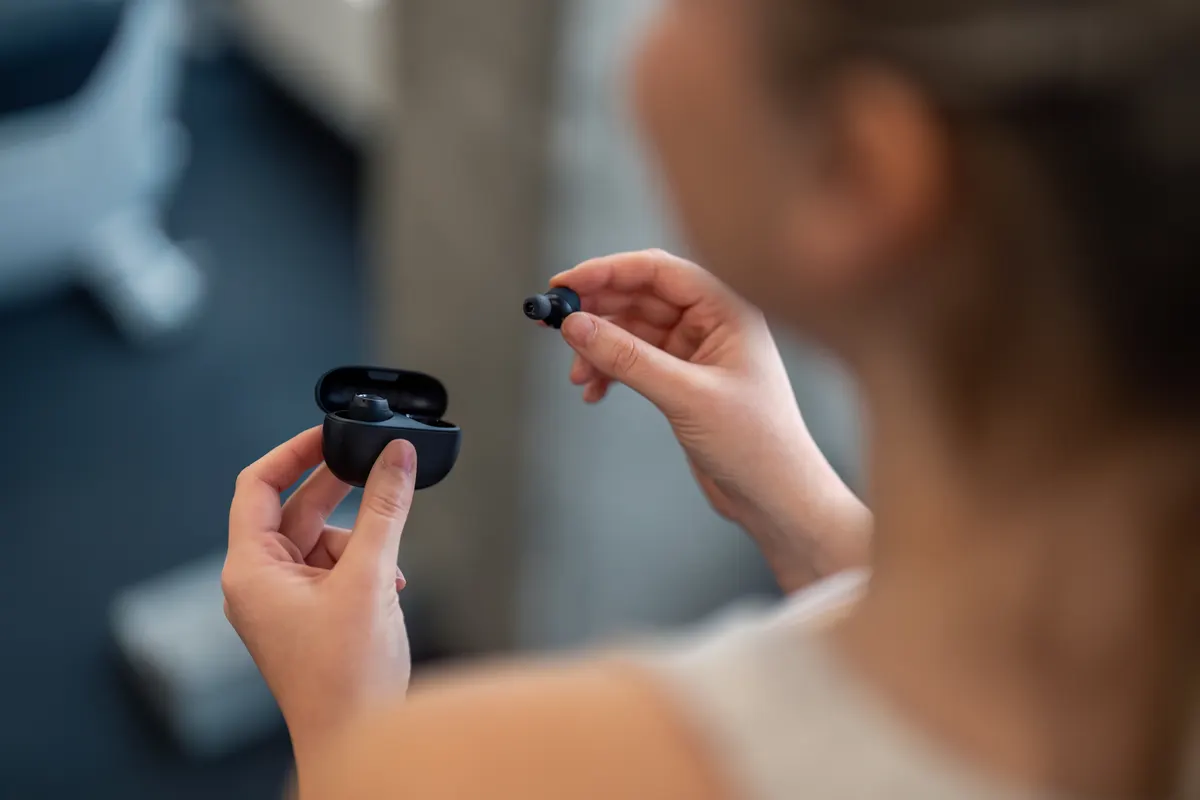
Audio & headphone marketing agency: close up photo over woman's shoulder of woman's hands holding black earphones.

How people buy headphones and speakers online

You are selling something the shopper cannot hear. Every other product in electronics can be judged from a photo and a spec sheet; a pair of headphones is bought on a description of sound, a list of codecs and driver sizes, other people's opinions and a return policy that, for in-ear products, is often tighter than the shopper expects.

We work with brands selling over-ear and on-ear headphones, wireless earbuds, in-ear monitors, portable and home speakers, DACs and amplifiers. The specifics shape everything: research runs through review sites and comparison videos before anyone lands on your store, shoppers search with dense spec vocabulary, colour variants multiply the feed, hygiene rules complicate earbud returns, and the repeat purchase is small but real: tips, pads, cables and a second pair for the gym.

A free written growth plan comes first. The monthly fee after that is flat and scoped in the plan.

The research phase is long and it does not happen on your site. A shopper decides they need noise cancelling for a commute, or a speaker for the garden, reads a couple of round-up reviews, watches a comparison video and builds a shortlist of two or three models. Then they search each one by name and compare price, colour availability and delivery.

By the time they reach your product page they know the specs. What they do not know is how the product sounds to them, whether the fit will hold during a run, whether the noise cancelling copes with a train, and whether they can send it back if it does not. The page has to describe sound in plain words, show the fit and the ear tip sizes included, name the codecs and the multipoint behaviour, and make the return terms for in-ear products clear before checkout rather than after.

Gifting matters more here than in most of electronics. Many headphone purchases in the last two months of the year are for someone else, and that buyer has done less research and cares more about the box, the delivery date and the returns window.

After the sale, the shopper comes back for replacement tips or pads when the originals wear, a cable when it breaks, and a second pair for a second use, such as open earbuds for cycling to go with the over-ears for the office.
Where audio & headphone brands
lose revenue

The four levers, in this niche.

Visitors

Visitors: catch the shortlist search after the review stage

Most traffic arrives as a model-name search from someone who has already shortlisted you, or as a spec phrase such as noise cancelling under a budget. We run Shopping and search on both, structured by product line, and build pages that reviewers and AI assistants can cite when someone asks which of two models to pick. Your job upstream is reviews; our job is to make sure the search they trigger lands on your store.

Conversion rate

Conversion: describe the sound, show the fit, state the return terms

The doubts are specific: how it sounds, whether it stays in, whether it can be returned once opened. We write sound descriptions in the words shoppers use, show the ear tip sizes and fit on real ears, name the codecs and multipoint behaviour, and make the returns policy for in-ear products visible on the page so nobody feels tricked at the returns desk.

Average order

Order value: the case, the tips and the second pair

A headphone purchase carries accessories naturally: a hard case, a spare set of foam tips, a longer cable, a stand for the desk. We build them into the product page and cart, offer the second pair for a different use at a small saving, and treat the DAC or amp as the upsell for the listener who has read the impedance line and wants more.

Repeat purchases

Repeat purchases: consumables wear out on a schedule you can email

Ear tips, ear pads and cables wear out in a predictable window. We build the replacement flows from the purchase date, sell pads and tips as easy reorders with the model preselected, and use firmware and feature updates through the year to stay in the inbox without discounting the headphones.

What we do for
audio & headphone brands

Five channels, one plan.

Google Shopping and search

Google Shopping and search ads for headphones people have already shortlisted

Shopping works best on your model names and on the spec phrases your products win on. We build a campaign per product line with the flagship in its own group, because its click cost and margin differ from the entry model, and we separate colour variants only where a colour is exclusive to you. Price is compared instantly on headphones, so any SKU where a marketplace or a big retailer is cheaper gets moved out of the main campaign until the gap is closed.

Search ads cover the use-case phrases that reviewers rank for: noise cancelling for commuting, earbuds for running, headphones for a particular kind of music. Ad copy names the codec, the battery figure from your own spec sheet and the colour range, and avoids any sound-quality claim a reviewer would dispute. In the gifting quarter we add a campaign for gift searches with delivery-date messaging, because that shopper cares about arrival more than specs.

Meta and TikTok

Meta and TikTok ads for a product you cannot hear

Social cannot play your headphones to anyone at a fair volume, so the creative has to show what sound cannot: the earbud staying in during a sprint, the noise cancelling switched on next to a road, the case size against a pocket, the colours in daylight. We test a use-case opening against a product-reveal opening and let the platforms decide.

On TikTok, creator reviews carry the niche. We brief creators to say which phone they used, which codec and what they compared against, because those are the comments that fill the thread when they do not. On Meta, catalogue ads retarget shoppers who viewed a model mid-research; the creative restates the specs and the return terms rather than pushing a discount. Gifting season gets its own creative with the box and the delivery date. We keep every claim to what you can support from your own testing and never suggest a hearing or health benefit.

Merchant Center and the feed

Merchant Center for headphones with many colours and firm GTINs

Every colour of every model has its own GTIN, and Google's catalogue for well-known audio products is thorough, so a wrong GTIN or a brand field that does not match the registered manufacturer name will be caught. Colours share an item group ID so the listing appears as one product with options. Titles carry the model, the form factor and the colour in that order, because 'wireless' and 'noise cancelling' in the title help matching only when they are true.

Product highlights and product detail attributes are where the spec comparison lives: driver size, codecs supported, active noise cancelling, battery hours from your own measurement, multipoint, water resistance rating. Google surfaces these in the comparison panel next to other sellers, so a missing attribute is a missing argument. Sale price attributes with effective dates handle the gifting quarter without a mismatch, and refurbished units, if you sell them, get their own listing with the condition field set.

SEO and AI search

SEO and AI search for 'which headphones should I get'

Shoppers ask assistants for a recommendation with constraints: best earbuds for small ears, headphones that work with a specific phone codec, whether noise cancelling helps with a particular noise, whether a model is safe to run in. The pages that get cited are the ones with plain-text answers and honest limits. We build a comparison page across your own line, a fit and sizing page with the tip sizes and ear shapes each model suits, and product pages with a full spec table and a sound description written for a listener rather than an engineer.

Support content, pairing, multipoint switching, firmware, cleaning, lives on your domain and is indexable, so the shopper who finds it comes back for pads and tips. Collection pages get copy about the use case, commuting, sport, home listening, instead of a grid. Reviews stay on the page with the reviewer's phone and use noted where they gave it.

Email and SMS

Email and SMS around fit, wear and the second pair

The first email after delivery is about fit, because a poor seal is the main reason earbuds disappoint and the shopper often has the wrong tip size fitted. A short guide to trying each size and a firmware update prompt reduce returns in the first fortnight. After that the flow goes quiet until the consumable window: pads and tips wear, and a reminder with the right part preselected is welcomed rather than resented.

Through the year the list gets product and firmware news, not weekly discounts, because a brand that discounts headphones every week teaches shoppers to wait. A second-pair campaign speaks to the use case the customer has not bought for yet, sport earbuds to the over-ear owner, and the gifting quarter gets a campaign to past buyers who are the likeliest to recommend you. SMS is limited to delivery updates and restock alerts on a colour someone asked for.

First three fixes

What the plan usually starts with for audio & headphone brands.

  1. In-ear returns are high and the reason is fit, not the product

    We put fit and tip sizing on the product page, add a post-delivery fit guide, and set the return terms for opened in-ear products plainly at checkout so the shopper knows the rules before buying.

  2. The flagship sits in a comparison panel with a spec column missing

    We complete every product detail and highlight attribute in the feed from your own spec sheet, so the comparison panel shows your codec support, battery figure and noise cancelling next to any rival.

  3. Reviews send traffic that lands on a marketplace instead of your store

    We run model-name search and Shopping campaigns so your own store is the top result when a review triggers a search, and we make the direct offer worth choosing with a case, spare tips or a longer warranty.

Questions from audio & headphone brands

By describing the tuning in plain terms a listener recognises, such as warm bass, forward vocals, wide soundstage, and by stating the measured facts from your own spec sheet. We avoid superlatives and comparisons against named rivals, and we let the quotes from verified buyers and independent reviewers carry the opinions.

That is your policy to set, and hygiene rules differ by country, but whatever it is, say it on the product page and at checkout rather than in a policy link. Shoppers accept a clear rule; they punish a surprise. Many brands offer a tip exchange instead of a full return, which cuts the cost without hiding the terms.

Usually not cold. Those products sell to the listener who already owns wired headphones and has read the impedance line. We reach that person from the product page of the headphones that benefit, by email to buyers of those models, and through search on the specific terms they use.

The gifting quarter needs stock, a delivery-date promise and creative aimed at a buyer who has done less research. The rest of the year builds the reviews and the search position that make the gifting quarter work, and sells accessories and second pairs to existing owners. We budget the two halves differently and say so in the plan.

It varies by product line, but noise cancelling, battery life, codec support for their phone and water resistance for sport products come up most in search and in questions to AI assistants. We check the search terms in your own account rather than guessing, and build the spec table and the ad copy around the ones that appear.

Other electronics & gadgets stores we work with

Send your audio & headphone brand store.

The plan says which lever is leaking and what to fix first, for your store as it is today.

Store, name, email and phone. A person replies from a real inbox. Privacy

Get your free growth plan