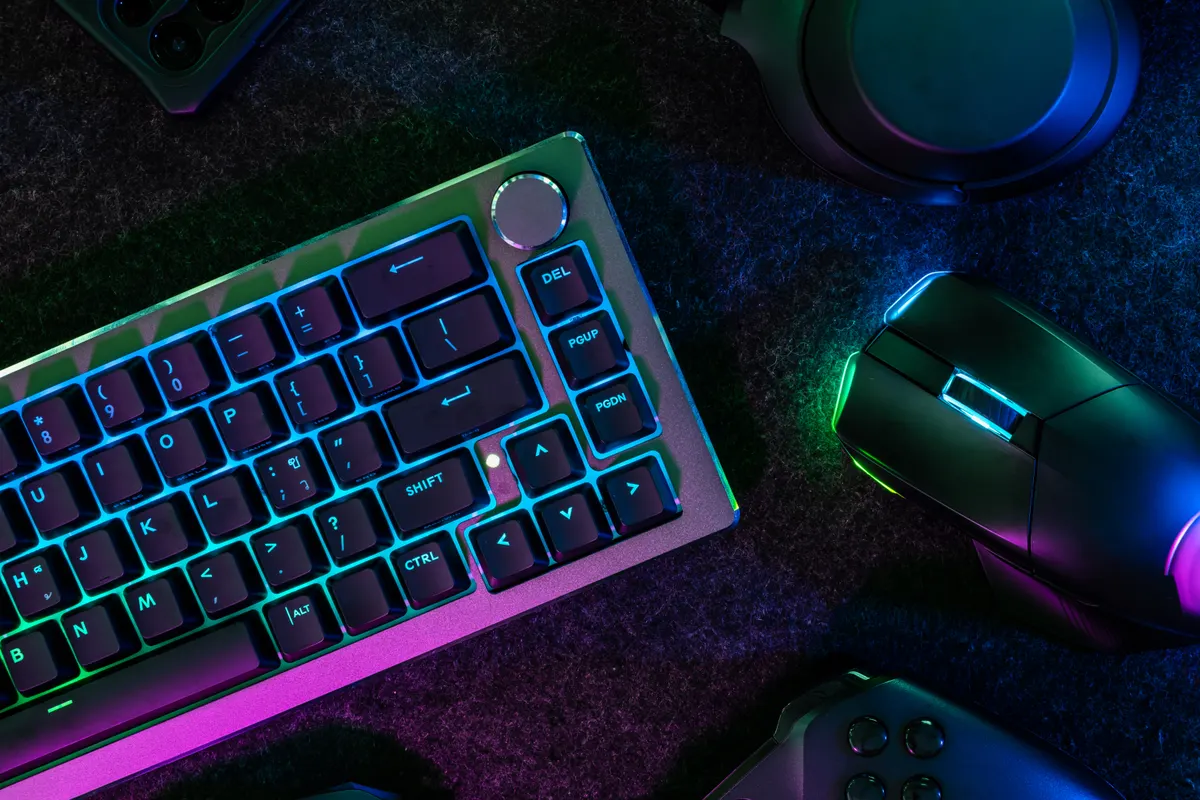
Every gaming accessory is bought with a platform in mind, and the shopper needs to know within a second whether it works on theirs. A controller that is great on PC but unlicensed on a console, a headset that does chat on one system and not another, a keyboard whose software only runs on one operating system: these are the facts that decide the sale and the return.
We work with brands selling controllers, headsets, keyboards, mice, mousepads, capture cards, stands and the cosmetic parts around them. The niche has its own rules. Compatibility is per platform and per generation, licensing decides what you can claim, spec talk is about latency, polling rate, switch type and weight rather than megapixels, the community lives on Discord, Reddit and streams rather than review sites, and the repeat purchase comes from keycaps, coiled cables, grips and mouse skates rather than a second headset.
You get a free written growth plan first. The fee after that is flat and monthly.
The shopper starts with a platform and a problem. They play on a particular console or a PC, something has broken or a friend has something better, and they go looking with that platform in the query: 'wireless controller for PC and PS5', 'headset with mic for Switch', 'hot-swap keyboard 75 percent'. If the listing does not confirm the platform in the first line, they move on.
Then they look for proof from people they trust. That is a streamer using it, a Reddit thread on the switches, a Discord conversation, a tear-down video. The spec sheet matters, but the community verdict on latency, build quality and software matters more. Peripherals have a strong enthusiast layer that reads polling rates and actuation points, and a much larger casual layer that wants to know it works and feels good.
Timing follows the games and the hardware. A big release, a new console generation or a tournament season lifts demand for the accessories that go with it. The gifting quarter is large, and the gift buyer needs the platform question answered even more plainly than the gamer does.
After the purchase, the enthusiast customises: keycaps, cables, grips, skates, pad surfaces. The casual buyer comes back when something breaks or when a second player joins.