Skip to content

Specialty tea marketing agency

Growth plans for loose leaf and specialty tea stores: sampler-first funnels, cost per cup, harvest releases, teaware bundles and feeds that pass as food.

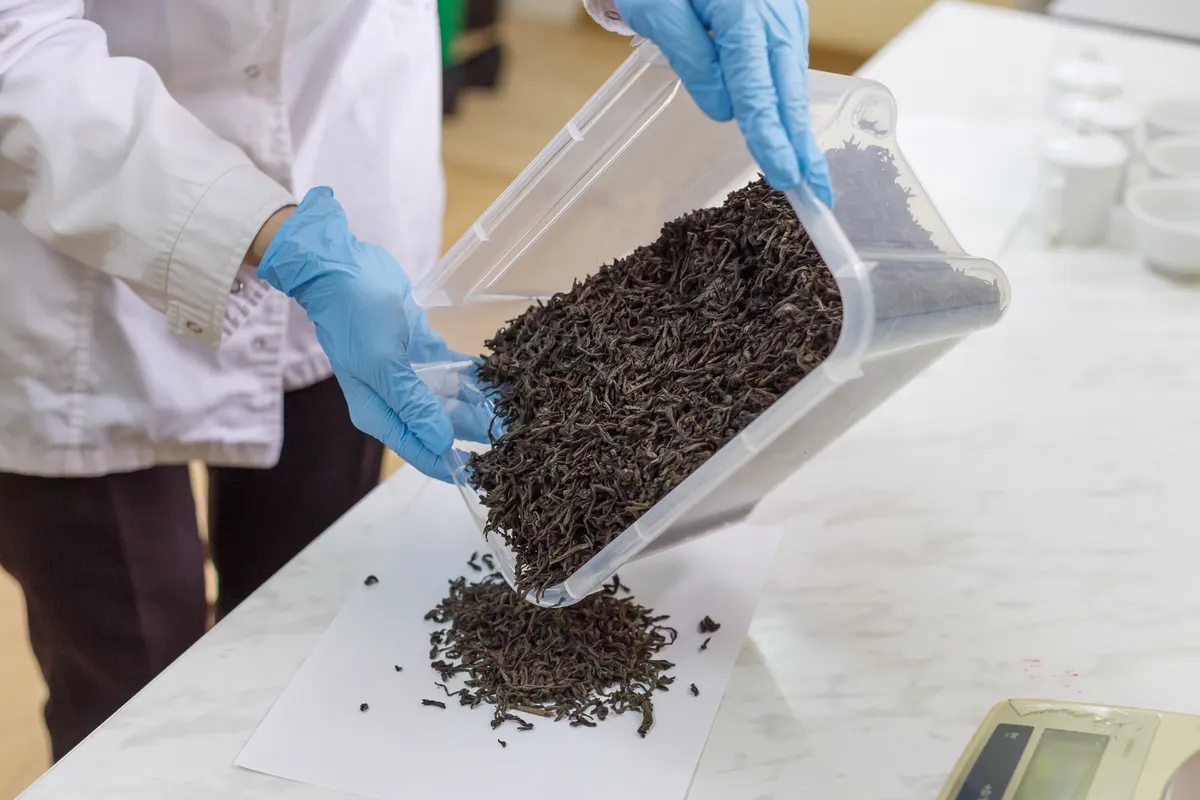
Specialty tea marketing agency: quality lab of big tea processing facility.

Tea shoppers taste before they commit

Tea shoppers rarely commit to a full tin of something they have never steeped. They buy a sampler, three or four small pouches, and only then choose a favourite. Stores that understand this sell the sampler hard, follow it with the full-size tin, and use teaware and accessories to make the order worth shipping. Stores that lead with a 100 gram tin of a single oolong ask for too much trust too early.

We work with specialty tea brands that already sell online, whether the range is single-estate Darjeeling, ceremonial matcha, blended herbals or all three. The plan looks at the four numbers behind your revenue and tells you which one is leaking: not enough people finding you, too many leaving before checkout, orders too small to cover postage, or customers who buy once and drift away.

The path to a loyal tea customer runs through a sampler. Someone lands on your store from a search for high mountain oolong or a matcha video, and the honest first purchase is a small amount of several teas. The sampler page is therefore the most important page on the store. It needs to explain what is inside, how many cups each pouch makes, and what the customer should notice when they steep it.

Once a favourite emerges, the customer moves to full-size tins, and the maths changes. A 100 gram tin of a good tea that resteeps three times is many cups, so the cost per cup is low even when the tin looks expensive. Product pages that show grams per cup and steeps per serving turn a high price into a reasonable one.

The third stage is ritual. Tea drinkers buy a gaiwan, a kyusu, a whisk, a scale. Those accessories are where order value grows, and they are also what turns a customer into someone who drinks your tea every day. Our plans map those three stages and fix whichever one your store is losing people at.

What we do for
specialty tea brands

Five channels, one plan.

Google Shopping and search

Shopping and search built on tea vocabulary

Tea searches carry a lot of detail. People type grade, region, harvest and format, and the Shopping results they trust show that same detail in the title. We build campaigns so each tea family is its own group: green, black, oolong, white, pu-erh, herbal and matcha, with sub-groups for the formats that convert, loose leaf, sachets and powder.

Matcha deserves its own campaign. Search demand is broad, buyers compare ceremonial and culinary grades, and the tile needs to make the grade obvious. The landing page for matcha traffic should show origin, grade, whisking guidance and the amount per serving before the shopper has to scroll.

Sampler and gift set searches spike around gifting weeks and again in the cold months. We schedule budget and creative to match, and we send that traffic to gift and sampler pages, not to a single tin, because the shopper's intent is to try or to give, not to restock.

Meta and TikTok

Steeping video and ritual on Meta and TikTok

Tea sells visually in the cup. The colour of a liquor, leaves unfurling in a glass pot, a matcha whisk raising foam: these are the moments that stop a scroll. We build ad creative around them and pair each with a specific claim the page can support, such as the harvest month or the number of steeps.

On Meta the productive audiences are past sampler buyers who have not bought a full tin, visitors who viewed matcha or a gift set, and lookalikes built from repeat customers. Tea buyers who reorder share a habit, so they make a better seed than everyone who ever bought once.

TikTok rewards education. Videos on how to brew gyokuro at a low temperature, why a tea resteeps, or how to pick a matcha grade drive traffic that converts on samplers. We give that traffic a page with the exact tea from the video at the top and the sampler containing it directly beneath.

Merchant Center and the feed

Feed data that reflects grams, formats and grades

Merchant Center classifies tea as a food product, so net weight is required and it must match the label. A common feed error in tea is one product listing that covers 50 gram, 100 gram and 250 gram tins without variants, which either gets disapproved or shows the wrong price. Each size is its own variant in an item group with its own image.

Titles should lead with what the shopper typed: tea type, grade or region, format and size. Your brand name comes last. Matcha titles need the grade and the origin in the first few words. Sachet products need the count, and multipack attributes should be used where you sell boxes of boxes.

Custom labels let us separate high-margin single-estate teas from everyday blends and give each its own bidding, and they let us mark seasonal releases so a first flush can be pushed while it is fresh and pulled when it sells out.

SEO and AI search

Answering the brewing questions people ask assistants

The questions tea shoppers ask AI assistants are practical: what temperature for white tea, how long does loose leaf stay fresh, does matcha have more caffeine than coffee, which tea for an upset stomach. Stores that answer those questions in plain text on collection pages and product pages get quoted. Stores that only show a photo and a price get skipped.

We rewrite collection pages so each tea family opens with a short plain answer about what that tea is, how it tastes and how to brew it, then lists the products. Product pages carry the harvest, origin, brewing parameters and the number of steeps in prose, not just an icon row.

A brewing guide that names the teas it refers to and links to them is the kind of content assistants and search engines return, and it brings the reader to the product from the answer in one step. Caffeine and storage pages work the same way.

Email and SMS

Sampler to tin, then tin to ritual

The first email flow after a sampler purchase is a tasting guide: which pouch to steep first, what to notice, and a reply link asking which one they liked. That reply is data. It tells the store which full-size tin to offer, so the follow-up is one tea, not the whole catalogue.

Full-tin buyers get a replenishment flow keyed to tin size and typical daily use. A 100 gram tin steeped at a few grams a day lasts roughly a month, so the reorder note lands a little before that. The message offers the same tea, the next harvest if one has arrived, and one adjacent tea from the same family.

Seasonal notes go to everyone: first flush arriving, new season matcha, a winter blend. SMS is reserved for time-sensitive stock, such as a small lot that will sell out, and for gifting deadlines. Ritual emails introduce teaware to customers who have bought the same tea three times, because they are the ones ready for a better pot.

First three fixes

What the plan usually starts with for specialty tea brands.

  1. Make the sampler the first thing a stranger sees

    Ad traffic, homepage and collection pages should all lead to the sampler for new visitors. It is the honest first purchase and the one that turns into a full-size tin later.

  2. Show cost per cup on every tin

    Grams per serving, steeps per serving and cups per tin, printed beside the price, are the numbers that make a specialty tea look reasonable next to supermarket bags.

  3. Split the feed by tea family and size

    One item group per tea, one variant per tin size, titles that lead with the type and grade. Matcha gets its own campaign with the grade in the first words.

Questions from specialty tea brands

Less than you think. Advertise the samplers, matcha and the two or three teas that first-time buyers choose most, and let the product pages and emails introduce the rest of the catalogue once the customer has tasted something they liked.

Only claims that your labelling rules allow, and ad platforms are stricter than labels. A relaxing evening blend is fine; a tea that treats a condition is not, and it will get the ad account flagged. We write copy that describes taste and occasion rather than medical outcomes.

For daily drinkers of one tea, yes, with the interval matched to tin size. For explorers who want variety, a curated monthly box works better than a fixed repeat of the same tin. The plan will say which your customer data supports.

The honest range for that tea type and a note on how brewing changes it. Shoppers ask assistants directly whether a tea is suitable for the evening, and a page that answers is the page that gets returned and clicked.

Yes. Gift buyers search differently, want a set and a message option, and often do not drink tea themselves. Sending them to a single tin loses them. We run gifting campaigns to gift pages during the weeks that matter and switch them off afterwards.

Other food & beverage stores we work with

Send your specialty tea brand store.

The plan says which lever is leaking and what to fix first, for your store as it is today.

Store, name, email and phone. A person replies from a real inbox. Privacy

Get your free growth plan