Skip to content

Protein bar marketing agency

Growth plans for protein bar brands: box-first economics, macro comparisons, claim-safe ad copy, summer melt handling and four-week subscription cadence.

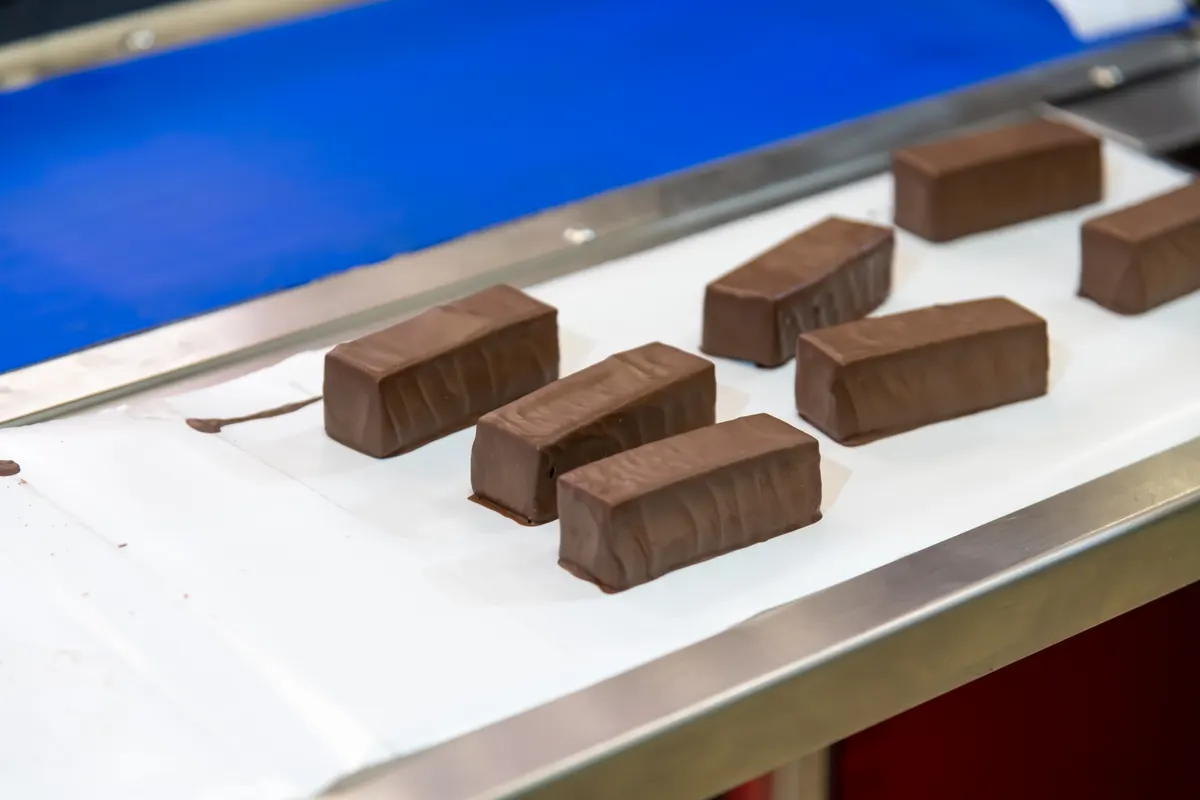
Protein bar marketing agency: chocolate bars moving on conveyor belt during production in factory.

Shoppers compare the panel before they read a word of your copy

A protein bar is bought on a number and kept on a texture. The number gets the click: grams of protein, grams of sugar, the calorie count, the price per bar. The texture decides whether anyone orders a second box, because a bar that is chalky, oversweet or hard to chew gets finished out of obligation and never bought again. Most brands spend their budget on the number and never measure the second half.

We work with protein bar brands that already sell online, whether the range is whey based, plant based, low sugar, high fibre or aimed at athletes with tested ingredients. The plan covers visitors, conversion, order value and repeat purchases, and it is built around a fact that shapes everything in this category: a single bar cannot be sold profitably online, so the whole store has to be designed to sell a box.

This is a category where the buyer arrives already fluent. They know what twenty grams of protein means, they know that sugar alcohols show up in the carbohydrate line, and they can work out the price per bar faster than your page can present it. Copy written as if the reader needs convincing that protein is useful loses them. What holds them is the panel laid out clearly, the protein source named, the sweetener named, and the price per bar shown next to the box price rather than buried.

The second consideration is tolerance. A large share of people in this category have had an unpleasant afternoon after eating a bar sweetened with a particular sugar alcohol, and they now check ingredient lists for it. Being upfront about what you sweeten with, and about fibre content that can have the same effect, prevents refunds and builds trust with exactly the customers who buy by the case.

The third is trust in what is in the bar. Athletes under testing rules, and plenty of people who are not, want to know where the protein comes from and whether the product has been tested by an independent programme. If you hold those certifications, they belong on the page rather than in a footer.

Where protein bar brands
lose revenue

The four levers, in this niche.

Visitors

Macro and diet searches, plus the January and September peaks

The traffic comes from specification searches: high protein low sugar bars, vegan protein bar, twenty gram protein snack, bars without sugar alcohols. Those terms run all year but climb sharply in January and again when gyms fill in early autumn, so budget follows that shape. Terms naming a competing product are a poor use of money in this category, since the shopper is comparing panels and will simply compare yours to theirs on the page they land on.

Conversion rate

Panel, price per bar and texture answered on the page

Put the full nutrition panel in text, name the protein source and the sweetener, and show the price per bar beside the box price so nobody has to do arithmetic to compare you with a shelf. Describe the texture honestly, because it is the thing reviews argue about and the thing shoppers most want to know before committing to twelve. A first-order sampler with a few flavours removes the last hesitation without discounting the box.

Average order

The twelve count box as the unit of sale

Single bars cannot carry a click cost and postage, so the box is the product and the page should be built around it. From there the order grows in two ways: a mixed box that lets someone try several flavours, and a multi-box price that rewards buying a month at a time. Adding a shaker, a tub or a second product line to the cart works when it is offered at the box page rather than at checkout, where the shopper has already decided.

Repeat purchases

A four week cadence and a flavour rotation

Someone eating a bar most days works through a twelve count box in around two to three weeks, and a household with two people does it faster. That makes protein bars one of the few food products where a subscription genuinely matches consumption. The reason people cancel is not price, it is eating the same flavour thirty times, so the plan has to offer a rotation or a swap by default and let people add a box early when they run out sooner than expected.

What we do for
protein bar brands

Five channels, one plan.

Google Shopping and search

Shopping campaigns that lead with grams and count

Tiles win or lose on the numbers. A title carrying the protein grams, the sugar grams, the flavour and the box count answers the shopper's whole question in the results page, while a title made of the brand name and a flavour asks them to click and find out. Because buyers compare price per bar, the count has to be visible or your box price looks expensive against a rival listing for four bars.

Campaigns are grouped by dietary requirement rather than by flavour, since a plant based buyer and a whey buyer are not interchangeable and neither will accept the other's product.

Seasonality is pronounced and worth planning around rather than reacting to. Auction prices rise in the first weeks of January when every brand in the category arrives at once, so the audiences and creative that will carry that month are built in November, and the summer is used to push formats that survive heat and to keep the account learning while costs are lower.

Meta and TikTok

Meta and TikTok creative that stays away from body claims

The temptation in this category is to sell a physique, and it is the fastest way to have an account restricted. Ad platforms limit copy that implies knowledge of the viewer's body or health, restrict weight loss framing, and apply age limits to some of it. The creative that performs anyway is the bar itself: the snap, the cross section, the bite, the panel held up to the camera.

The strongest hook is usually a comparison the viewer can verify, such as the ingredient list read out or the texture shown in close up, because this audience has been disappointed by bars before and reacts to evidence rather than to atmosphere.

Audiences are built from people who viewed a box without buying, single box buyers who never returned, and lookalikes seeded from subscribers rather than from all customers. Partnerships with coaches and gym owners work well here provided the messaging stays with the product and does not drift into promising results.

Merchant Center and the feed

Feed work for boxes, flavours and comparable pricing

The multipack attribute matters more here than in most food categories. A twelve count box of identical bars should declare that count, so Google can present a comparable price and so your listing is not judged against a single bar. A mixed flavour box is a bundle of different items instead, and the flavour count belongs in the title.

Flavours sit in one item group with individual barcodes and their own images, since a shopper scanning a grid is choosing a flavour, not a brand. Unit pricing gives the price per bar, which is the number this audience actually compares.

The nutrition detail belongs in the description as text rather than only in a label image, both for shoppers and for the review process. Availability and shipping settings should reflect what happens in summer: chocolate coated bars travel badly in heat, so if you switch to a faster service, add cold packs or pause certain lines during a heatwave, the feed and the shipping settings need to say so before an order is placed.

SEO and AI search

Pages that answer ingredient, tolerance and timing questions

The questions this audience asks assistants are specific and technical: which protein bars have no sugar alcohols, how much protein should a bar have, are protein bars good before or after training, why do certain bars cause bloating, which bars are suitable for someone avoiding dairy. Those are answerable honestly and they are exactly where a brand can earn a citation.

Writing them requires restraint. Nutrition and training advice slides easily into claims you cannot support, so the useful approach is to explain what is in the bar, describe what different ingredients do in general terms, and be plain that individual needs vary.

Collection pages should mirror how people filter: bars by protein content, bars without dairy, bars low in sugar, bars for endurance training. Each product page carries the full panel, the ingredient list, the allergen statement, the sweetener, the protein source and any independent testing programme, in text where both shoppers and assistants can read it.

Email and SMS

Replenishment on a real cadence, and flavour fatigue prevention

The reorder timing here can be calculated rather than guessed. Ask how many bars a week the customer eats, and a twelve count box gives you a date. A message a few days before that date, offering the same box and a rotation, is the most reliable repeat purchase mechanism in the category.

The flow that protects the subscription is the flavour swap. Send it before people get bored rather than after, with the new flavour and the option to change what is in the next shipment. Cancellation surveys in this niche point at repetition far more often than at price, and a swap link solves it where a discount does not.

The rest of the calendar is built on launches and on the two peaks. New flavours go to the list first, sampler buyers are followed up with the box that matches whichever flavour they finished, and January and early autumn campaigns are warmed up with content before the promotional messages start, so the list is not seeing a discount as the first thing it has heard from you in months.

First three fixes

What the plan usually starts with for protein bar brands.

  1. Show price per bar next to the box price

    Shoppers in this category compare cost per bar automatically. Doing the arithmetic for them on the page and in the feed's unit pricing makes your box look correctly priced instead of expensive.

  2. Name the sweetener and the protein source clearly

    A large part of this audience screens for particular sugar alcohols and for dairy. Stating both in text near the top of the page prevents returns and wins the customers who buy by the case.

  3. Default subscriptions to a flavour rotation

    Repetition cancels more protein bar subscriptions than price does. Offer a rotating or swappable box as the standard plan and send the swap prompt before boredom sets in.

Questions from protein bar brands

It is the riskiest framing available to you. Ad platforms restrict weight loss claims and copy that implies something about the viewer's body, and some of it carries age limits. Selling the bar on its ingredients, its protein content and the moment it is eaten keeps campaigns running, which is worth more than a stronger claim that gets an account restricted.

Decide the policy first, then publish it. Choose which lines ship in hot weather, whether you add cold packs or upgrade the service, and which days you dispatch, then put that on the product page and reflect it in shipping settings. Silence in July produces melted boxes, refunds and reviews that outlast the season.

Keep them for people who are already on your site and want to try one flavour, but never build advertising around them. A single bar cannot cover a click and postage, so it belongs as an add-on inside a box-first store rather than as a product you pay to promote.

For anyone competing under testing rules they are decisive, and for other shoppers they act as reassurance about what is in the bar. If you hold one, name the programme on the product page rather than showing a badge with no explanation, since a shopper who needs it will check the specifics.

A small mixed pack that lets someone find a flavour they like, priced so it is an easy decision, followed immediately by an email offering the full box of whichever flavour they finished. Selling a twelve count of one flavour to a stranger asks them to bet on a texture they have never tried.

Other food & beverage stores we work with

Send your protein bar brand store.

The plan says which lever is leaking and what to fix first, for your store as it is today.

Store, name, email and phone. A person replies from a real inbox. Privacy

Get your free growth plan