Skip to content

Jerky & meat snack marketing agency

Growth plans for jerky and meat snack brands: price per ounce objections, bulk bag economics, border rules on meat, gifting tins and subscription clubs.

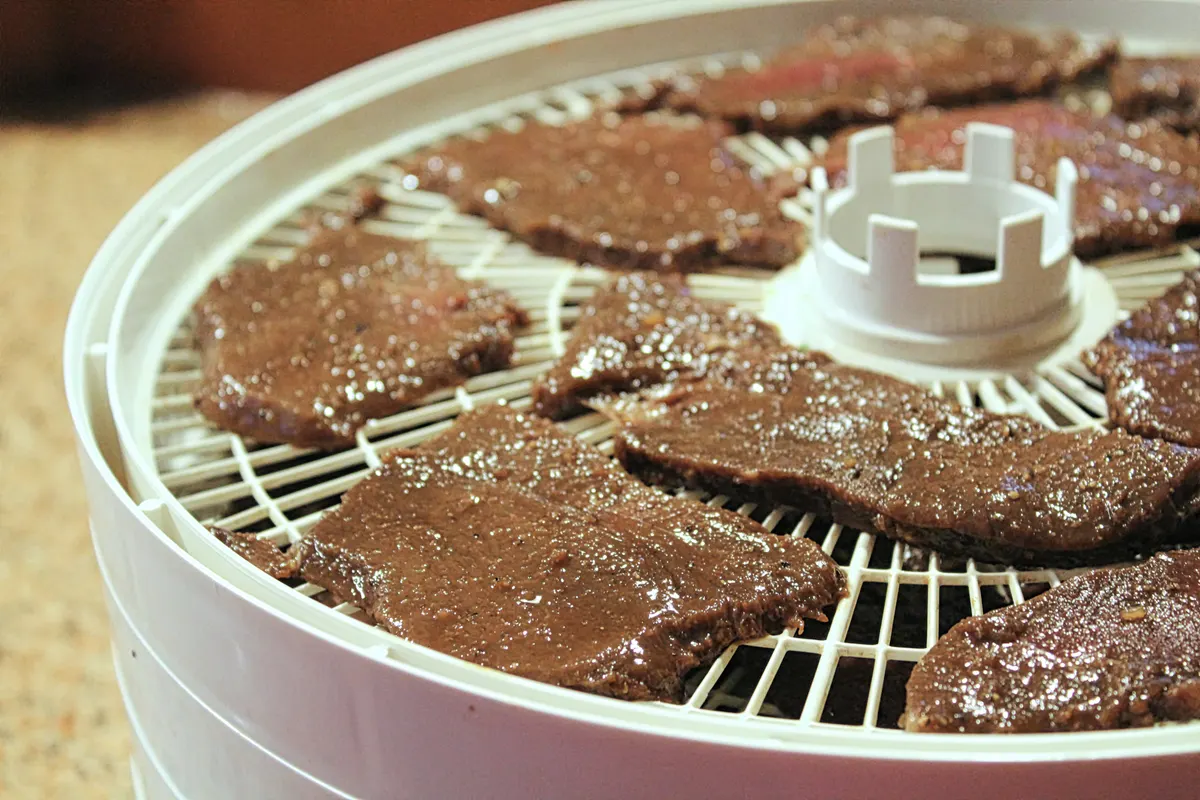
Jerky & meat snack marketing agency: meat slices laid out on a dehydrator to be made into deer jerky.

The price makes sense only when the yield is explained

Jerky has an advantage the rest of the food industry envies and a price objection it can never escape. The advantage is shelf stability. No cold chain, no ice packs, no weather holds, and a product that can sit in a mailbox in August without anyone worrying. The objection is what happens when a shopper divides the price by the weight, sees a figure that looks alarming next to a supermarket bag, and closes the tab without learning that it takes several pounds of raw beef to make one pound of jerky.

We work with jerky and meat snack brands already selling online, whether the range is traditional beef strips, sticks, biltong, exotic proteins or flavour-led small batch. The plan covers visitors, conversion, order value and repeat purchases, and it usually starts with the two levers this category most often leaves alone: the price objection on the product page and the reorder rhythm of a customer who eats a bag a week.

Nothing on a jerky page matters more than answering the cost question before it becomes an objection. A shopper looking at a small bag with a high price is comparing it to snacks that are mostly starch and air, and they have no reason to know that drying removes most of the weight of the meat. State the raw weight it took to make the bag, name the cut, and put the protein per serving next to the price. That one paragraph does more for conversion than any promotional code.

The second decision is flavour and heat. This is a category where people are loyal to a specific profile, whether that is peppered, teriyaki, sweet and smoky or something genuinely hot, and where a sampler is the natural first purchase because nobody wants a bulk bag of a flavour they dislike.

The third is texture and ingredients. Shoppers ask whether the jerky is tough or tender, whether it is sweetened, whether it contains added nitrates or soy, and what the sugar content is. Meat snacks attract a lot of label reading from people eating low carb or high protein, and being specific on those points wins the customers who buy every month rather than once.
Where jerky & meat snack brands
lose revenue

The four levers, in this niche.

Visitors

Protein, flavour and occasion searches inside your shipping map

The demand splits into diet terms such as high protein snack and low carb jerky, flavour and style terms such as peppered beef jerky and biltong, and occasion terms around road trips, hiking and hunting season. All of it should be targeted only where you can actually ship, since sending meat products across many borders is restricted or prohibited outright and clicks from those countries turn into orders you have to cancel.

Conversion rate

Explain the yield, the cut and the protein per serving

Price is the objection and information is the answer. Show how much raw meat went into the bag, name the cut and the protein, list the protein grams and the sugar per serving, and describe the texture in ordinary words rather than in marketing language. Add the bag weight in a size people can picture. A shopper who understands why a bag costs what it costs will buy it, while one left to guess will assume they are being overcharged.

Average order

From a single bag to a sampler, then to bulk

The path is well worn and worth designing deliberately. A first-time buyer takes a sampler of several flavours, a returning customer buys the bag of the flavour they liked, and a regular buys the bulk pouch or a multi-bag pack because the price per ounce improves and they eat it constantly. Make each step visible on the product page, set the free shipping threshold at the level where a two or three bag order makes sense, and offer sticks as a low friction addition at the cart.

Repeat purchases

A weekly habit that suits a club

People who like jerky eat it steadily, often as a daily snack at a desk, in a car or in a gym bag, which means a bag disappears quickly and a subscription matches real behaviour. The format that works best is a rotating club with a new flavour or two each month, since it solves the boredom problem and gives you something to announce. Time the first reorder prompt to how quickly a bag of the size they bought would realistically be finished.

What we do for
jerky & meat snack brands

Five channels, one plan.

Google Shopping and search

Shopping campaigns with weight, protein and destination controls

The tile has to fight the price comparison, so the title carries the net weight, the flavour and the cut, and the listing shows a multi-bag or bulk option wherever possible so the price a shopper sees first is not the smallest, least favourable one.

Geographic targeting is a compliance question as much as a performance one. Meat products face import restrictions in many countries, so campaigns are limited to the markets you can legally and practically ship to, and everywhere else is excluded before the first click is bought.

Seasons shape the budget. Outdoor and hunting seasons, road trip months, and the run-up to the winter holidays each bring different searches, the last of those from gift buyers who want a tin or a boxed set rather than a resealable pouch. Those gift terms land on a gift page with a delivery date rather than on a bulk bag, and they switch off when the shipping cut-off passes.

Meta and TikTok

Meta and TikTok creative built on the tear and the chew

The sound is the sell. A bag torn open, a piece pulled apart, the chew, and a close shot of the grain of the meat. This is one of the few food categories where the product looks better in a hand than on a plate, and creative filmed in the settings people actually eat it in, a truck, a trailhead, a workshop, a gym, performs better than studio work.

Process content does the rest of the work. Trimming, marinating, racking and the smoker are the proof that the product is made rather than assembled, and they double as the explanation for the price.

Audiences that convert are sampler buyers who have not yet bought a full bag, past customers of a single flavour, and lookalikes seeded from subscribers. Gift audiences are built separately before the winter holidays, because someone buying a boxed set for a relative is not the same person as the customer who eats a bag a week and knows exactly which flavour they want.

Merchant Center and the feed

Feed data for weights, packs and restricted destinations

Net weight is the most important attribute in this niche, because the entire price comparison rests on it and because bags are small. Titles should carry the weight and the flavour, and unit pricing gives the price per ounce or per hundred grams that a considered shopper is calculating anyway.

Multi-bag packs of the same flavour use the multipack attribute, while a mixed sampler of different flavours is a bundle, and the number of bags belongs in the title either way. Flavours belong in one item group with their own barcodes so the range reads as a range.

Shipping configuration should reflect the countries you can send meat to, since Merchant Center will otherwise show your listings to shoppers whose customs authorities will not admit the product. That produces cancelled orders and unhappy buyers rather than sales. Because the product is shelf stable, the rest of the shipping setup is simpler than for most food, and that speed advantage is worth stating on the page.

SEO and AI search

Pages that answer shelf life, ingredients and yield questions

The questions people put to search engines and assistants here are practical: how long does jerky last once opened, does it need refrigerating, how much protein is in a serving, what is the difference between jerky and biltong, is jerky suitable on a low carb diet, why is it so expensive. A brand that answers each one plainly becomes the source that gets quoted.

The yield explanation deserves its own page rather than a line in a product description. Explaining how many pounds of raw beef go into a finished pound, and what trimming removes, is the single most persuasive piece of content a jerky brand can publish.

Collection pages should follow how people shop: by flavour, by heat level, by protein, and by diet. Product pages carry the cut, the marinade ingredients, the sugar and protein per serving, the allergen statement, whether nitrates are added, and the shelf life sealed and opened, all as text rather than as an image of the back of the bag.

Email and SMS

Reorder prompts and a rotating flavour club

The first message after a sampler arrives asks which flavour won. That answer is the most valuable data point you will collect, because it turns every later email into an offer for something the customer already told you they liked, and it points them at the bulk bag rather than another sampler.

The replenishment flow works from bag size and eating habit. Someone who bought a small bag and eats jerky most days is finished within a fortnight, so the reminder lands before then with the larger format alongside the same size, since the price per ounce argument lands hardest with someone who has just run out.

The club is the retention product. A monthly rotating selection with one new flavour gives you something to announce, keeps subscribers from getting bored and makes seasonal batches worth producing. Gift buyers are handled on a separate track each winter, with cut-off dates and a tin or box, and they are written to again the following year rather than folded into the regular list.

First three fixes

What the plan usually starts with for jerky & meat snack brands.

  1. Put the yield explanation on every product page

    State how much raw meat makes the finished bag, name the cut, and show protein per serving next to the price. The price objection is the main reason jerky traffic leaves, and the answer is information rather than a discount.

  2. Limit targeting to countries you can post meat to

    Import rules block meat products in many destinations. Excluding them in campaigns and shipping settings stops you paying for clicks that end in cancelled orders and customs seizures.

  3. Lead new customers with a flavour sampler

    A multi-flavour pack removes the risk of buying a bulk bag of something they dislike, and the flavour they choose afterwards tells you exactly what to sell them for the next year.

Questions from jerky & meat snack brands

Change the page before you change the price. Show the raw weight that goes into a finished bag, name the cut, put the protein per serving beside the cost, and offer a larger pouch with a better price per ounce. Most people quoting the price have simply never been told why drying makes it what it is.

Only where meat products are admitted, and that list is shorter than most brands assume. Import rules bar or restrict meat in many countries, so check each destination before advertising there, exclude the rest in your campaigns and shipping settings, and avoid the cancelled orders and seizures that follow from guessing.

Say what is true for your product, because it varies with moisture content and packaging. Most shelf-stable jerky keeps for a while in a sealed bag at room temperature and is better refrigerated once opened if it will not be eaten quickly. Put your own answer on the page, since shoppers ask assistants this constantly.

Boxed sets and tins, bought by people who do not eat jerky themselves. That buyer wants presentation, a message option and an arrival date, none of which a resealable pouch offers. Build a separate gift page, advertise it from early November and stop when the courier cut-off passes.

Yes, if it rotates. Consumption is fast enough for a monthly plan to match real behaviour, but sending the same flavour every month leads to cancellations. A club with a rotating selection and one new flavour each month keeps subscribers interested and gives you a reason to write to the whole list.

Other food & beverage stores we work with

Send your jerky & meat snack brand store.

The plan says which lever is leaking and what to fix first, for your store as it is today.

Store, name, email and phone. A person replies from a real inbox. Privacy

Get your free growth plan